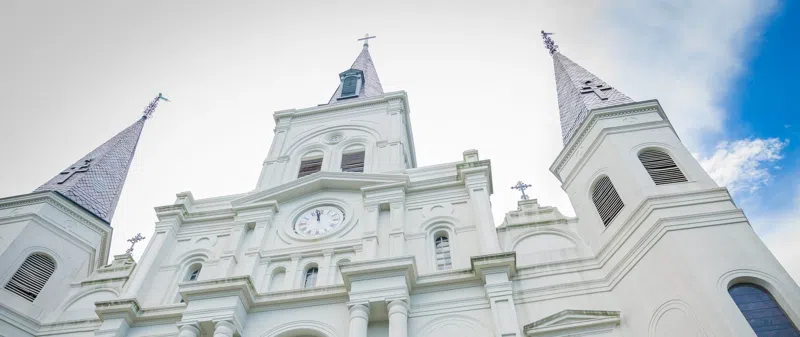

From the far bank of the Scheldt the spire reads like a piece of lacework nobody ever got round to taking down. From the lanes at its foot you can barely see it at all, because Antwerp built its cathedral into the middle of the old town and then built the old town straight back up against it, so you arrive at the west door sideways, out of a gap between houses, usually out of the weather. Step through and the building does what it was designed to do six centuries ago: it takes the noise off you and hands you height instead.
Walking in from Handschoenmarkt
The Cathedral of Our Lady (Onze-Lieve-Vrouwekathedraal) sits on Handschoenmarkt in the Oude Stad, one minute from the Grote Markt and three from the river. There is no plaza to cross and no grand approach to photograph; the square in front is small enough that you cannot fit the tower into a frame without backing into a café table. Construction started in 1352 and dragged on until 1521, by which time money and ambition had gone elsewhere, which is why one tower finished at just over 120 metres and the other stopped as a stump. The asymmetry is the building's most honest feature.

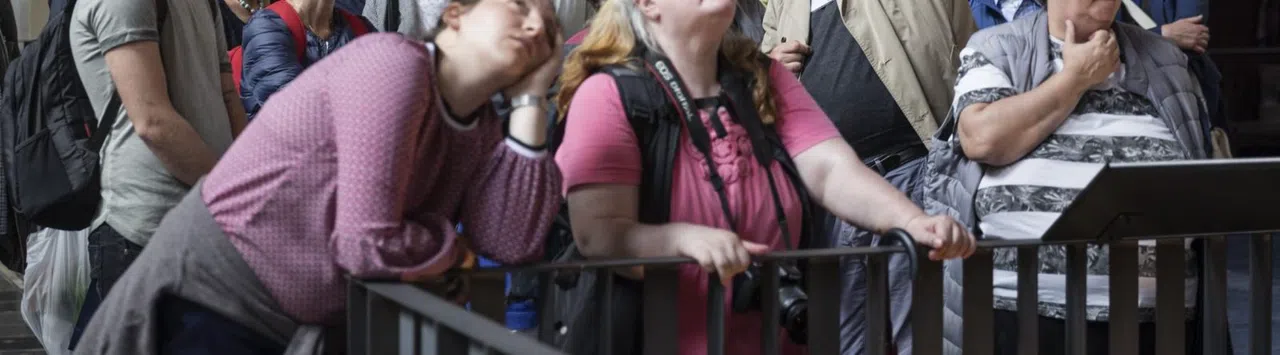
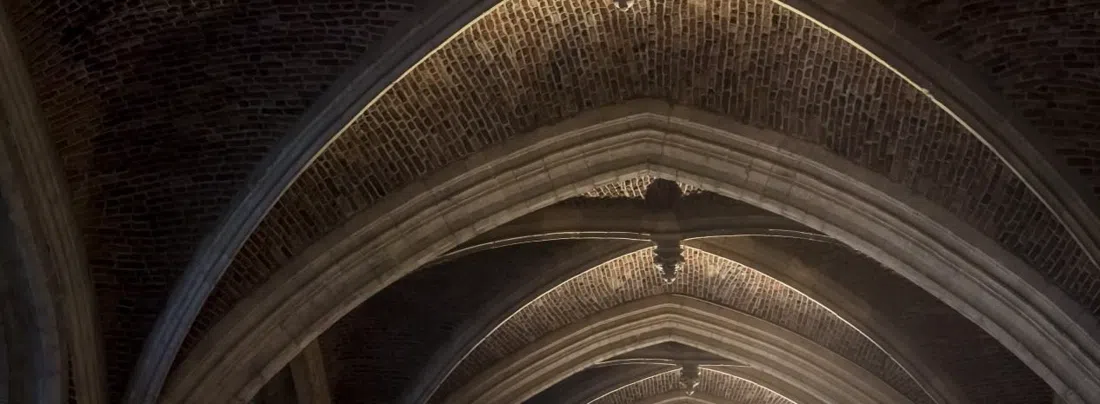
The ticket desk is inside, to the right as you enter, and the transition is abrupt: narrow street, heavy door, then seven aisles opening up at once. Antwerp's cathedral is unusually wide rather than unusually tall, and the effect is less about vertigo than about air. The columns are pale, the plaster is pale, the glass throws very little colour, and on a grey day the interior stays legible in a way that darker Gothic churches do not. If you have half an hour and no plan, start by walking the full width of the nave from the north wall to the south before you look at a single painting. It is the one thing photographs never convey.
The four Rubens canvases and what surrounds them
Most visitors come for Rubens, and the cathedral does not hide them. The Raising of the Cross and The Descent from the Cross face each other across the transepts, the Resurrection of Christ sits in the south, and the Assumption of the Virgin holds the high altar. Seeing them here rather than in a gallery changes them. They were painted for these walls, at this scale, to be read from a distance by people standing up, and the light that falls on them is the same weather that is falling on you outside. The Descent in particular only resolves when you stop at the crossing and stop trying to get close.
The rest of the interior rewards the same unhurried walk. There is baroque furniture of genuine quality, a set of side chapels that each carry their own altarpiece, and, depending on how the cathedral has arranged its contemporary interventions that year, a modern installation or two placed deliberately in the middle of all that gilt. Free drop-in guided tours in several languages are included in your ticket and run through the day; they are worth joining even mid-way, because a guide will tell you in three minutes which parts of the building are original and which are nineteenth-century reconstruction, and that single distinction reorganises everything you look at afterwards.
How long it really takes
Forty-five minutes covers it if you walk the nave, stand in front of the four Rubens works, and do one lap of the ambulatory. Seventy-five is the honest number for someone who reads the panels and sits down twice. Pick up a free tour and you are at ninety. Nobody needs more than two hours here, and the building is not so large that you will feel you have missed a wing.
That makes it the best-shaped anchor in the quarter. It is properly weather-proof, a full indoor hour that does not depend on the sky, and it leaves most of the day intact for whatever you build around it. The surrounding streets are compact enough that everything in this piece is within a fifteen-minute walk.
Buying at the door, and when to book ahead
Admission is €12 for adults and €10 for over-60s, students, disabled visitors and groups of 20 or more. Under-18s go free, as do residents of Antwerp Province. There is no timed-entry system for individuals: you turn up, you pay, you walk in. In practice queues at the desk are short and move, and the crowding you notice inside is a matter of when you arrive rather than how many tickets were sold.
Groups need real planning. The €10 rate applies from 20 people, and group visits must be emailed to [email protected] at least three weeks ahead, which is a requirement rather than a formality. Bringing your own guide carries a €95 fee. The organ-demonstration tour caps at 60 people, and anything above 200 gets a bespoke quote. If you are organising for a company or a coach party, start that email a month out and build the rest of the day around the slot you are given, not the other way round.
A guided walk of the old town that takes in the cathedral is a reasonable alternative to doing it cold, and those run seven days a week, so the day of your visit is not the constraint. They are also well-reviewed: there are 1,495 traveller reviews across the bookable tours attached to this attraction, with the top-rated one holding 4.9 out of 5 from 507 reviews. Prices for the cheapest walking options start from about 4 USD per person, which tells you these are guide-and-tip formats rather than anything elaborate. Be clear about what you are buying, though. A walking tour that passes the cathedral is not the same as cathedral admission, and a €12 ticket is still a €12 ticket.
The tower is a separate ticket and a separate building
People get caught out by this every week. The Cathedral Tower Climb (TowerTunes at City Hall) in the Grote Markt is run by the City of Antwerp, not by the cathedral, and you cannot walk up on the day. Tours start at the TowerTunes mini-exhibition inside City Hall, run roughly two hours across 515 steps, and only sell in windows: April to June, then September to October, on Monday, Wednesday and Friday mornings. The minimum age is 10, and 10- to 16-year-olds must be accompanied by an adult. Expect around €14 per person, though the city has not published a 2026 rate publicly, so confirm when you book. Groups go through [email protected] or +32 3 339 47 00 with at least two weeks' notice.
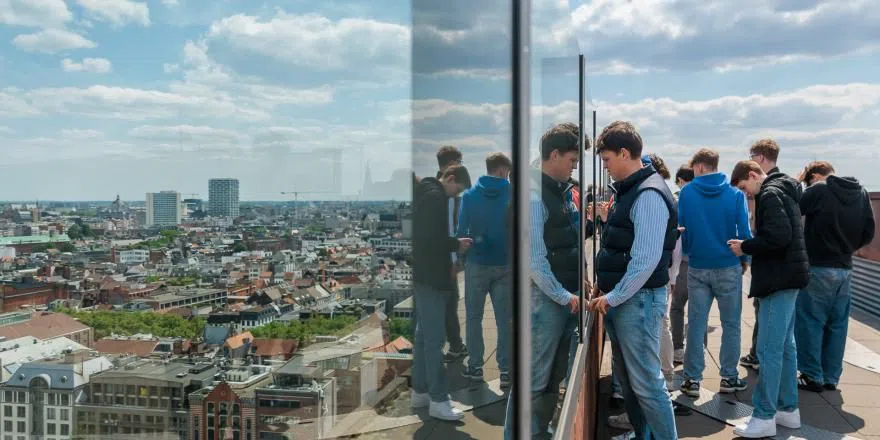
If your dates fall outside those windows (and for most of the year they will), the free rooftop at MAS (Museum aan de Stroom) in Eilandje is the substitute. The escalator boulevard and roof terrace need no ticket, so you can walk straight past the desks, and it opens Tuesday to Sunday 09:30–22:00, until midnight from 1 April to 30 October with last access at 23:30, closed Mondays. The one caveat: the roof can shut in bad weather, so it is the single item here that is not genuinely rain-proof.
Access, rules and quiet hours
The cathedral is a working church, and the tourist timetable bends around services rather than the reverse. Opening is Monday to Friday 10:00–17:00, Saturday 10:00–15:00 and Sunday 13:00–17:00, closed on 1 January. There are scattered 2026 closures for services: on 2 October it shuts at 13:00, and on 20 December it is closed to tourism entirely. If your trip hinges on a single date, check before you commit the morning to it.
The practical rules are the usual ones: cover shoulders if you can, keep your voice down near anyone praying, and expect the far end of the building to be roped off when something is happening at the altar. The floor is flat and the main circuit is step-free, which makes this one of the easier historic interiors in the city to manage with a wheelchair or a pushchair.
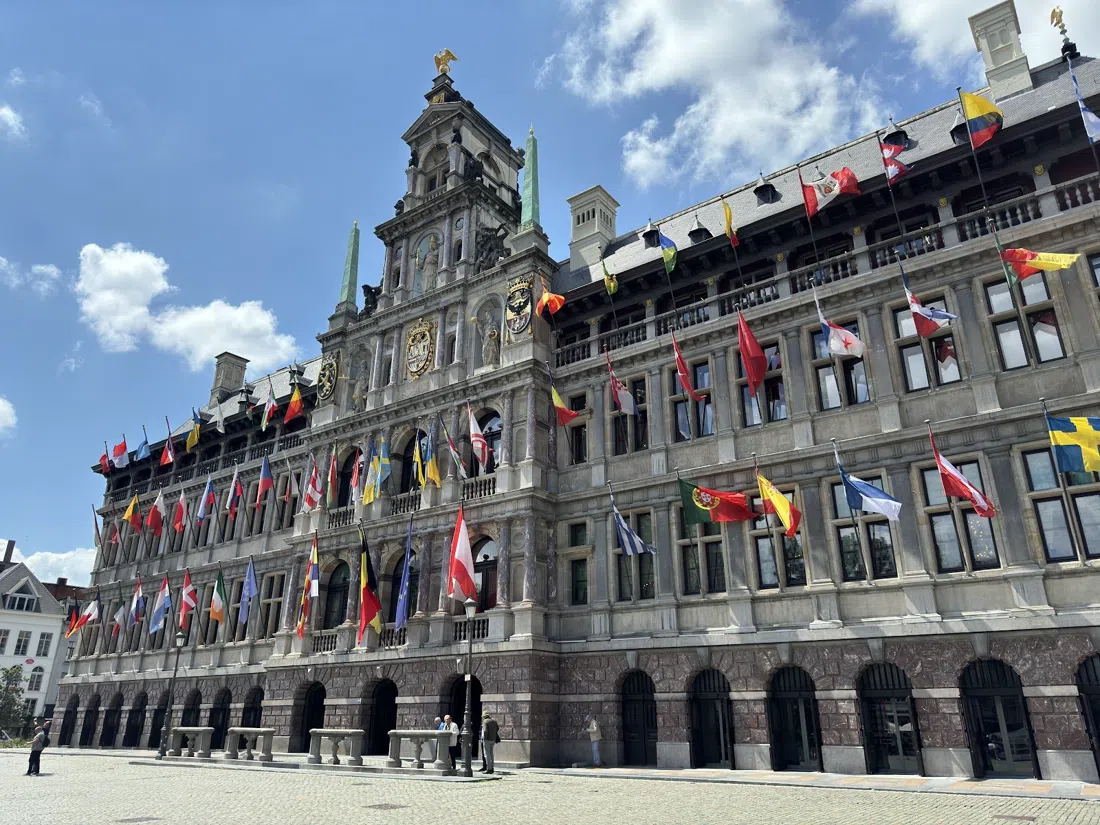
Two minutes away, Antwerp City Hall (Stadhuis) on the Grote Markt is the natural indoor follow-on. The ground floor is free and open daily 09:00–18:00, but the Schoon Verdiep, the restored ceremonial floor and the reason to go, can only be seen on a guided tour. Group tours run almost daily; individuals join scheduled public tours only a few times a month, at roughly €10–15. Plan that one ahead rather than turning up.
Best time to go
Weekday mornings, first thing. Arrive for the 10:00 opening on a Tuesday, Wednesday or Thursday and you get the nave to yourself for twenty minutes before the first groups form. Weekday late afternoons, from about 15:30, are the second-best window, once coach parties have moved on and the light through the clerestory is at its best.
Avoid Saturday around midday. The building closes at 15:00 that day, which compresses the entire day's visitors into five hours, and it shows. Sunday afternoons open at 13:00 and are calmer than Saturdays but shorter than a weekday, so treat them as a single-purpose visit rather than the start of a museum crawl. Seasonally, none of this is weather-led, since the interior is the same in February as it is in July, but the streets outside are not, which is why the shoulder months, when the tower climb also sells, are the sweet spot for building a full day around it.
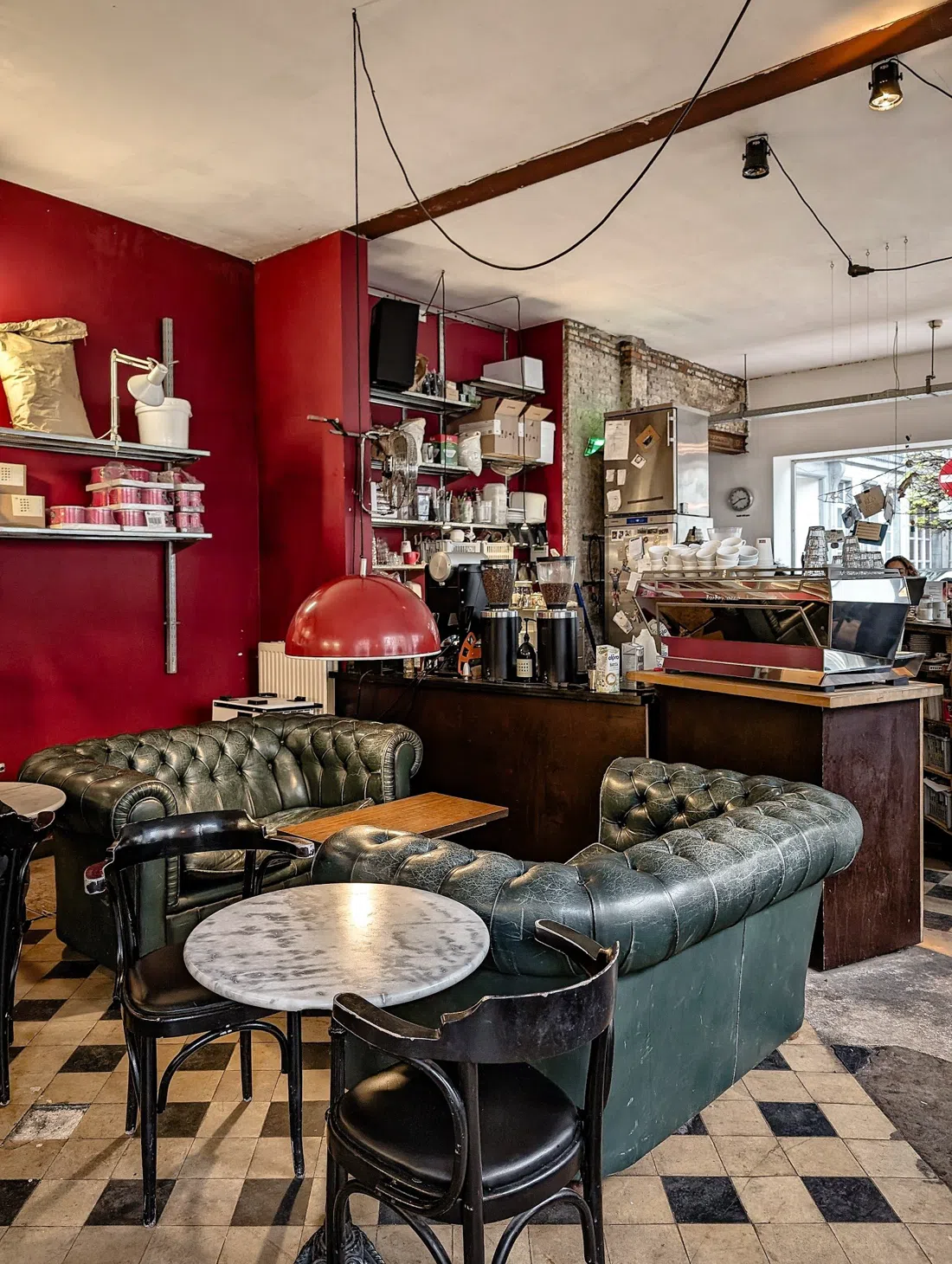
Get coffee first. Normo Coffee on Minderbroedersrui, five minutes north, has been roasting on site since 2011 and opens at 08:30 Monday to Saturday, closed Sundays. It is small and informal, fine for two or three people and not built for a group, and it fills the gap before the cathedral doors open at 10:00.
Five minutes further when the rain sets in
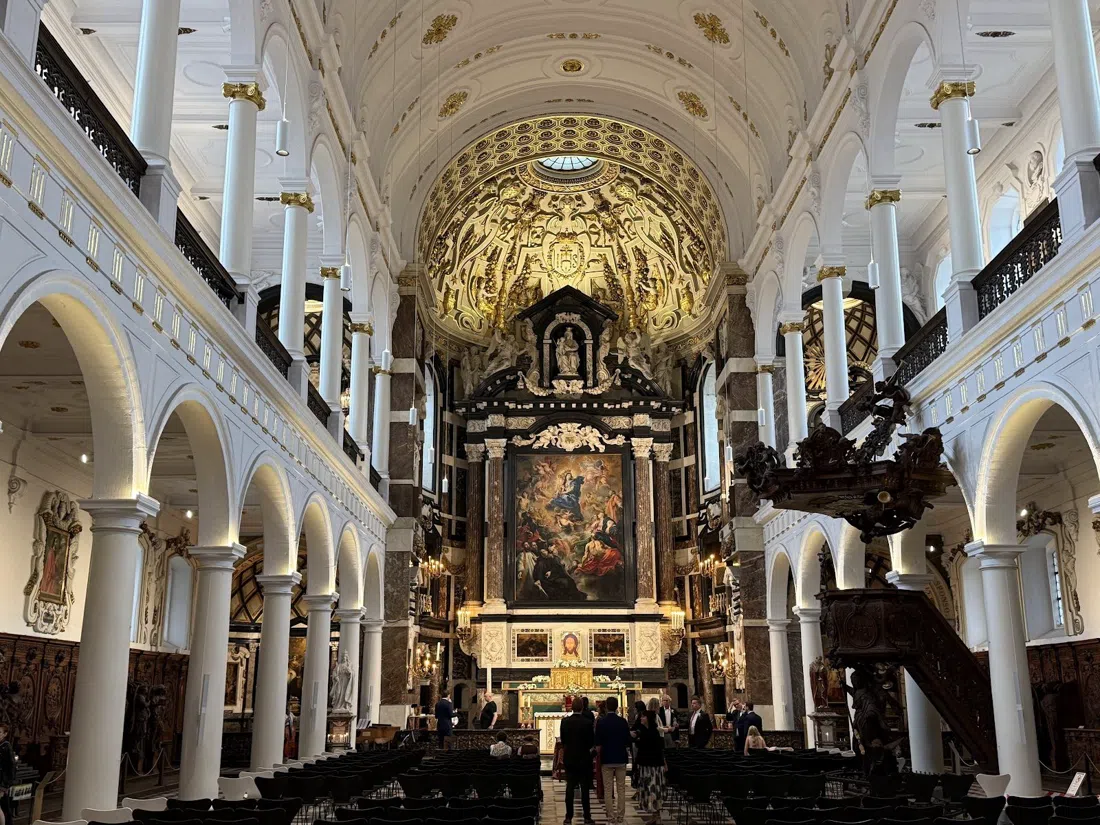
The cathedral quarter is unusually good at absorbing bad weather, and the best free pairing is St Charles Borromeo Church (Sint-Carolus Borromeuskerk) on Hendrik Conscienceplein, three minutes away. Entry is free, volunteer guides are on hand during weekday opening, and a multilingual audio guide costs €3. Hours are Monday to Saturday 10:00–12:30 and 14:00–17:00, and on Sundays and public holidays it opens for Mass only, which catches out a lot of weekend visitors. Groups should write to [email protected] first.
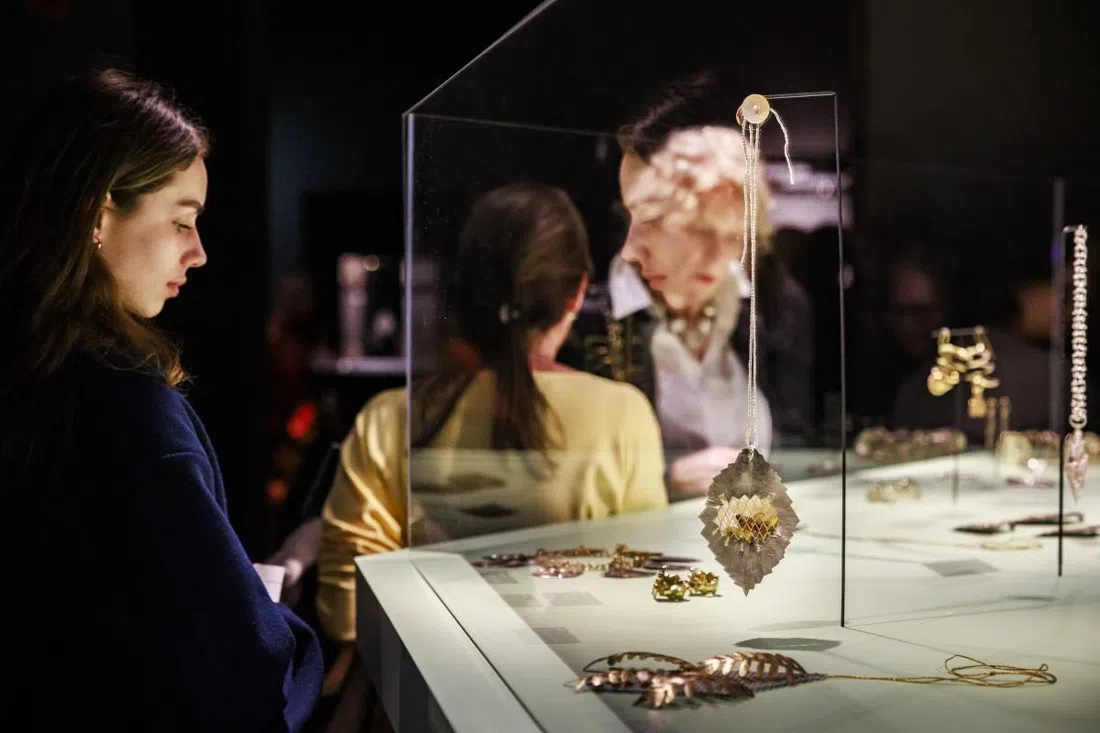
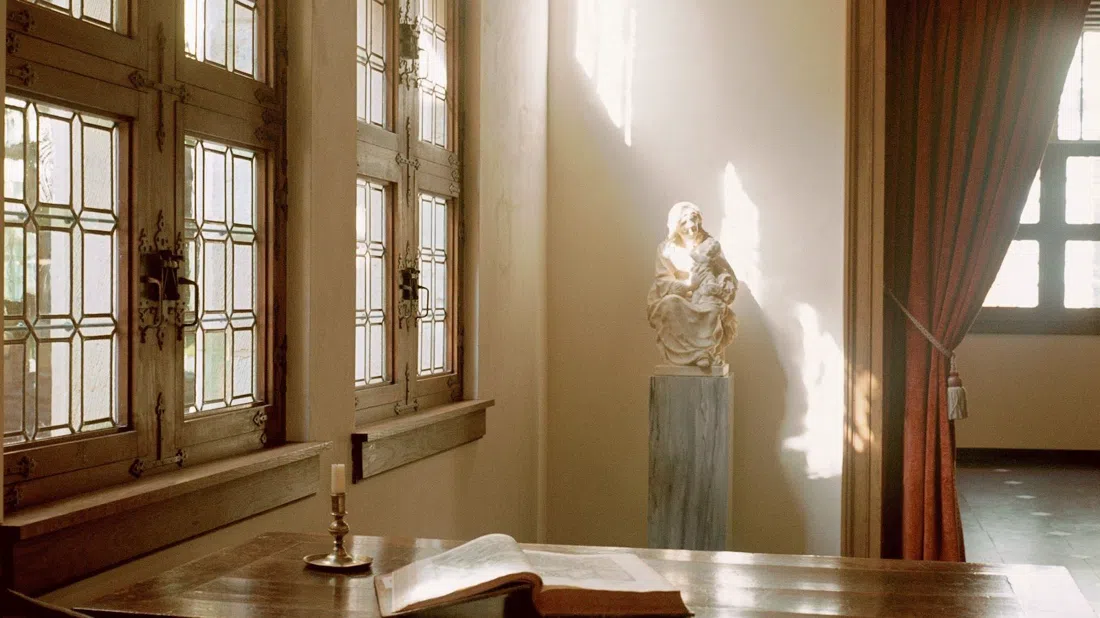
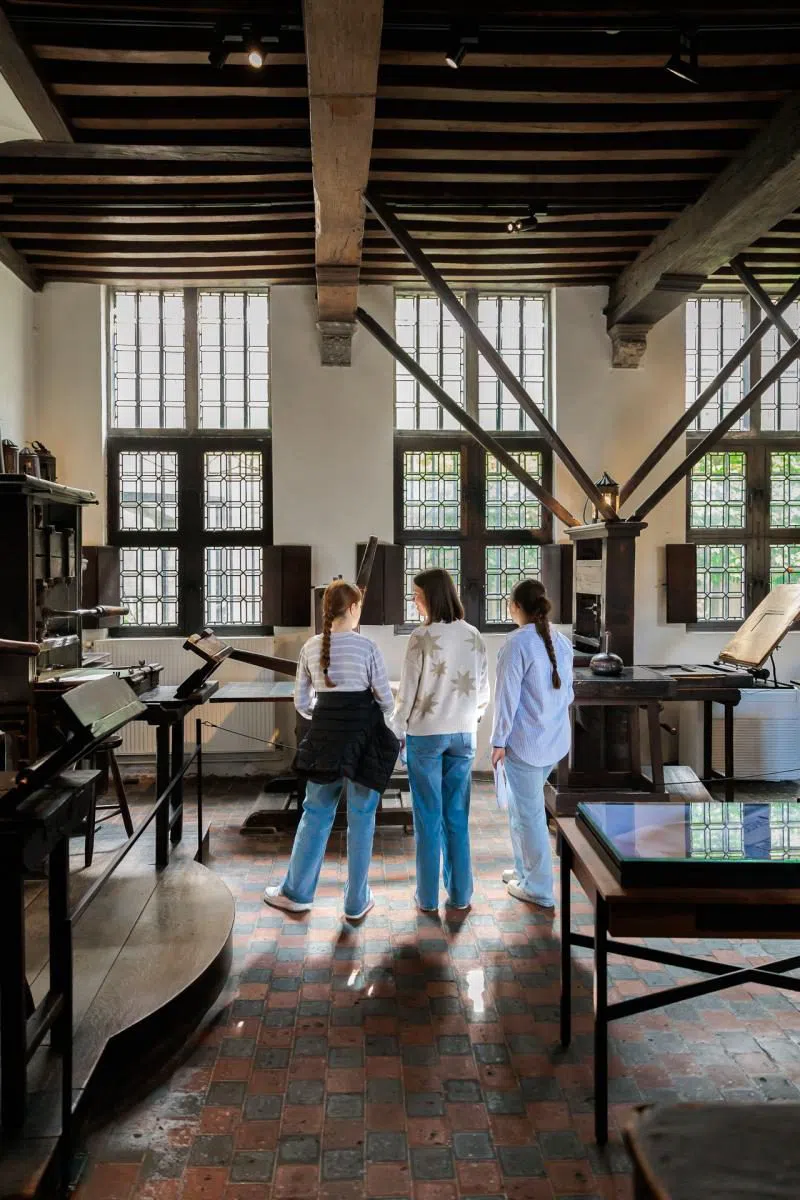
Museum Plantin-Moretus on the Vrijdagmarkt is the strongest wet-weather substitute of all: the only museum on the UNESCO World Heritage List, €12 for adults, €8 with an A-card, free under 18, open 10:00–17:00, and it will comfortably absorb ninety minutes to two hours. Snijders&Rockoxhuis on Keizerstraat is the quiet one, around €12, daily 10:00–17:00 except Mondays, free on the first Tuesday of the month, and rarely queued precisely when the famous names are at their busiest. DIVA, Museum for Diamonds, Jewellery and Silver at Suikerrui 17–19 is three minutes from the cathedral doors, entirely indoors, open daily 10:00–18:00 with last entry at 17:00, around €12–14, tickets timed and sold online. It closes on Wednesdays, which trips up midweek visitors.
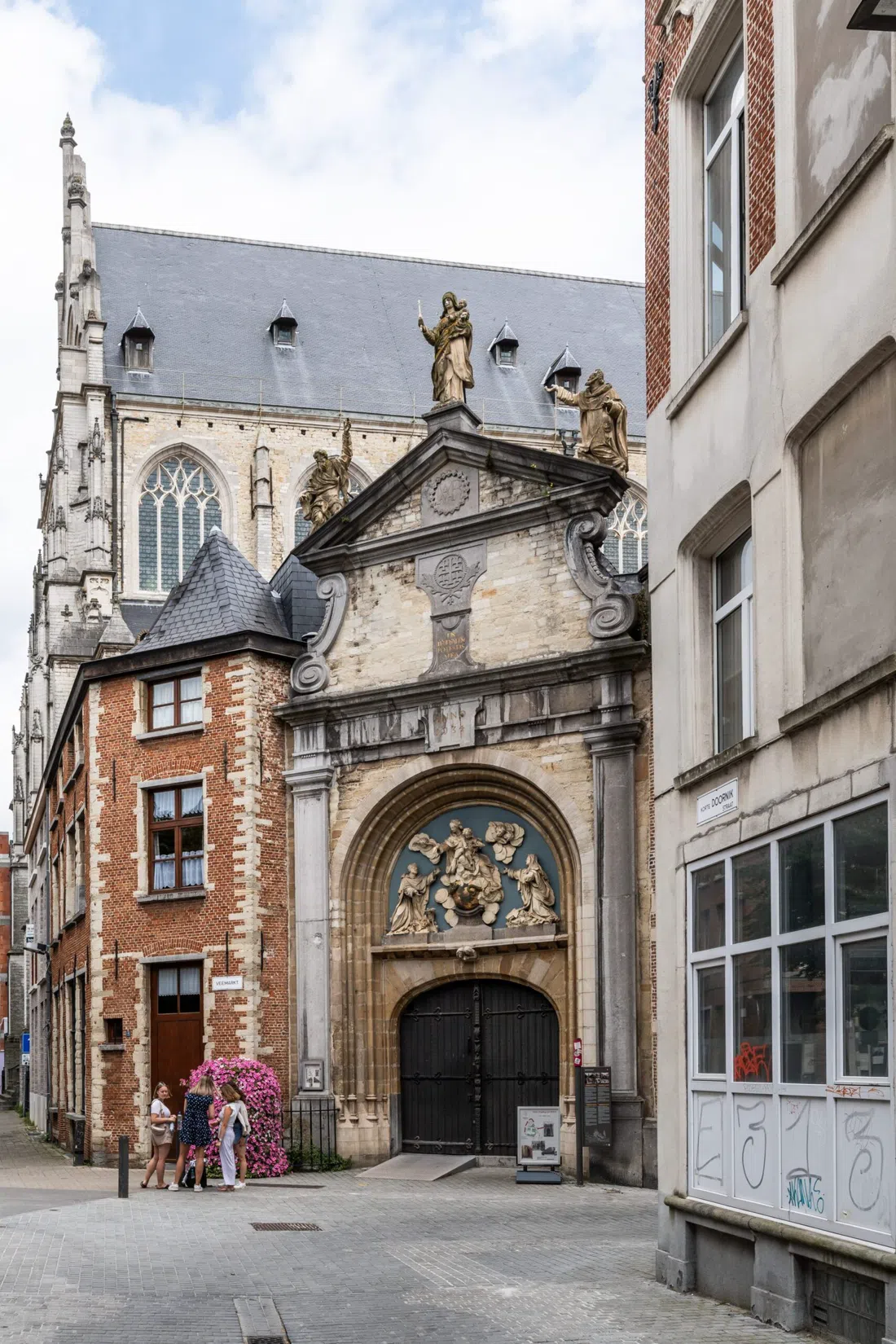
If the Rubens canvases have whetted the appetite, St Paul's Church (Sint-Pauluskerk) near the Veemarkt holds a Rubens–Van Dyck–Jordaens series worth the ten-minute walk, at €5 for adults, €3 for students and groups of 15 or more, free with a Museumpas, ICOM card, A-card or Antwerp City Pass. The hours are the problem: daily 14:00–17:00 from 2 May to 31 October 2026, then Friday to Sunday and Flemish school holidays only through winter, and it was closed entirely for restoration in March and April 2026. Check before you walk.
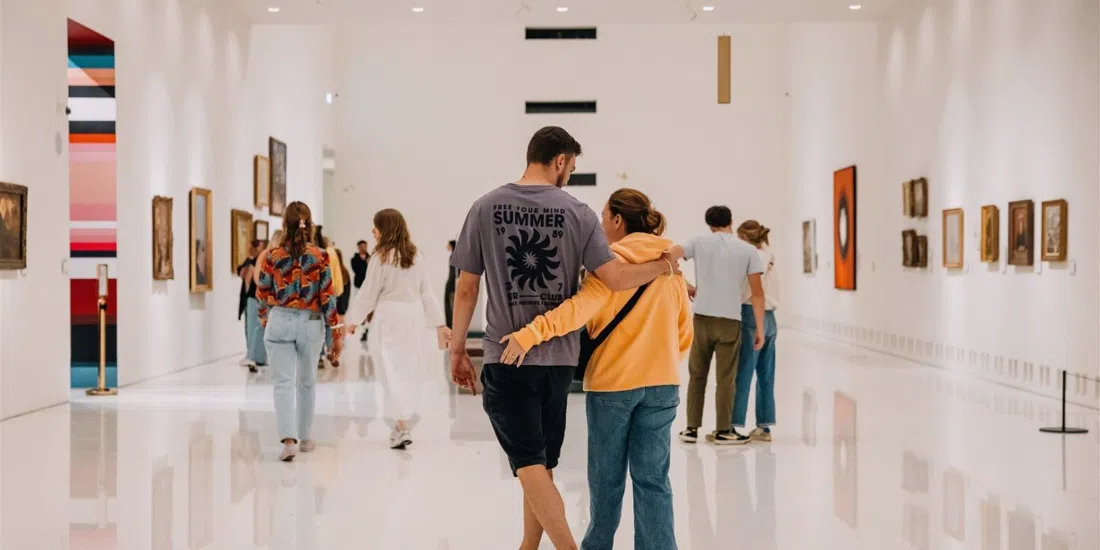
Rubenshuis at the Hopland entrance is on every list, but the artist's residence itself is shut for restoration until 2030 at the earliest. What is open in 2026 is the Rubens Experience, the library and the restored baroque garden, on timed tickets at around €12–14, with a combined ticket including the Maagdenhuis exhibition at €14, valid two days and sold at the desk only. Go knowing that and you will be fine; go expecting Rubens' actual house and you will be disappointed. KMSKA (Royal Museum of Fine Arts Antwerp) in Het Zuid is the heavyweight: around €20, free under 18, Tuesday to Sunday 10:00–17:00, fifteen minutes' walk or a short tram ride south, with a free timed slot that must be reserved online or at the machine. It is big enough to swallow an entire wet afternoon on its own.

Eating and drinking in the shadow of the spire
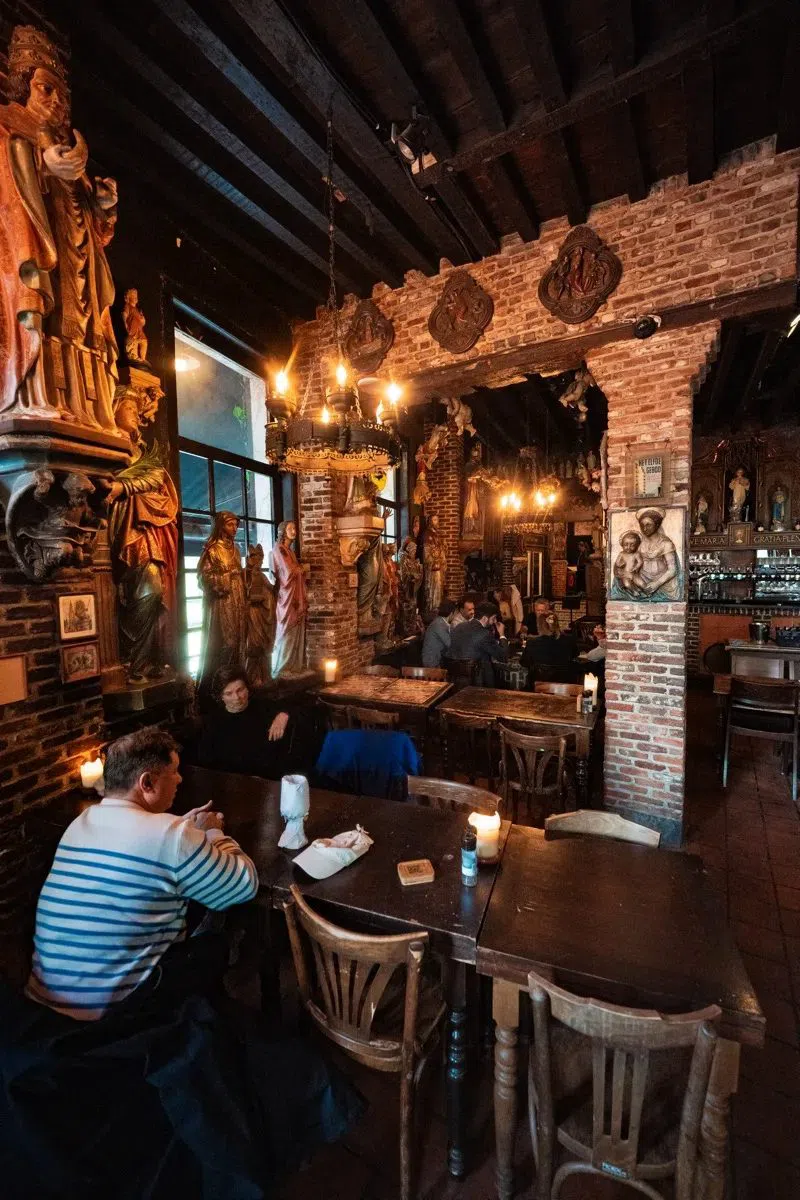
Het Elfde Gebod on Torfbrug is literally round the corner and thematically perfect: the eleventh commandment is drinking beer, the walls are packed with salvaged religious statuary, and there are over 100 beers on the list. Mains run roughly €20–28, mussels and Flemish stew are the things to order, it is walk-in friendly and it takes groups, though larger parties should book. Grand Café De Rooden Hoed on the Oude Koornmarkt is a minute from the cathedral doors and claims the title of Antwerp's oldest restaurant, trading since 1750 and still open in 2026; mains around €20–30, a large dining room used to tour parties, book ahead.
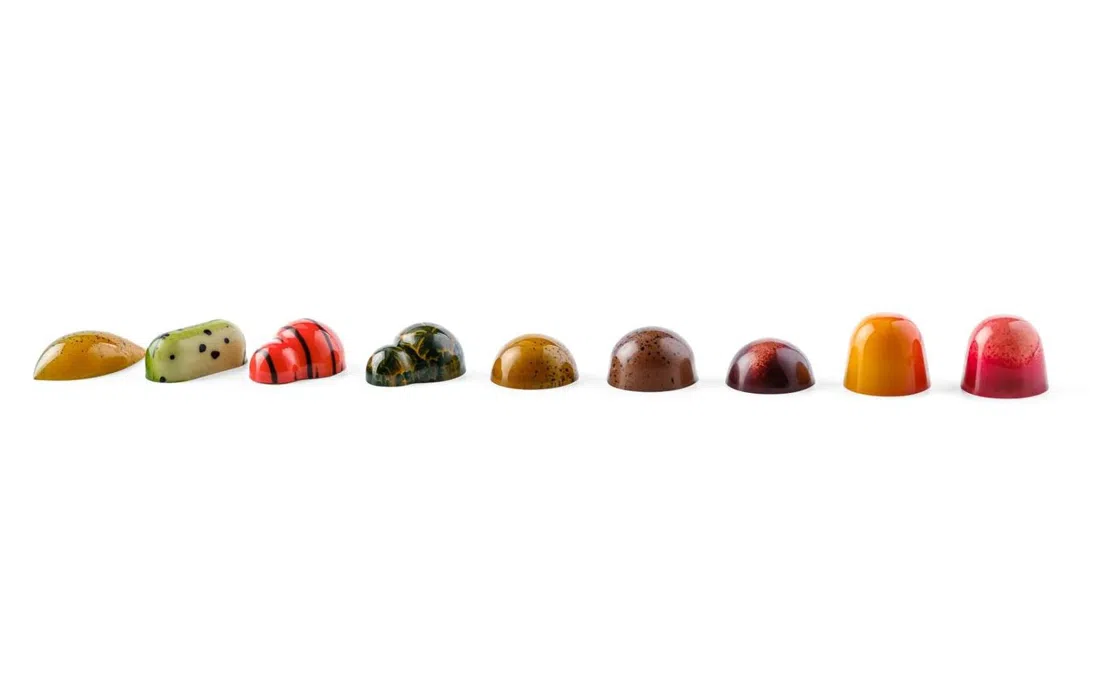
For something grown-up after a morning of altarpieces, Sir Anthony Van Dijck down the Vlaeykensgang is two minutes away and one of the few tables in the city where you can hear the carillon properly. Chef Jöran De Backer's French cooking runs roughly €30–45 for mains with menus higher, reservations are essential, and a large party will not get in on spec: small private groups only, arranged in advance. And when the weather closes in properly, The Chocolate Line on the Meir is ten minutes away in a Napoleonic palace, open Tuesday to Saturday 09:30–18:30, Monday from 13:00 and Sunday from 10:30. It is a shop rather than a venue, so browse, buy by weight or take a box at roughly €10–30, but there is no seating for a group.
Is it worth it
Yes, and without much qualification. €12 buys you four Rubens paintings hanging where they were painted to hang, a free guided tour in your own language if you want one, and a genuinely weather-proof hour in the middle of a compact old town. Very little in European city-break sightseeing is that well priced or that reliably good in the rain.
It suits almost everyone. Couples get a calm hour and a short walk to a good table. Art travellers get the single best reason to be in this city. Families do well because under-18s are free and the interior is wide and flat and forgiving. Groups can be served properly, but only if somebody sends that email three weeks out. The people who should skip it are those who dislike religious art entirely and are hoping the building will carry them anyway; it will not. And anyone whose heart is set on climbing the tower needs to check the calendar first, because outside the spring and autumn windows that door is simply shut.
Practical notes
Getting there is easy. Antwerpen-Centraal is a ten- to fifteen-minute walk through the Meir, or take the tram and premetro to Groenplaats, which puts you thirty seconds from the cathedral's south side. The whole quarter is car-hostile and pleasantly so; do not drive in.
Cards work everywhere that matters: the cathedral desk, the museums, the restaurants. Carry a small amount of cash anyway for the €3 audio guide at St Charles Borromeo and for candles. An A-card, Museumpas or Antwerp City Pass pays for itself quickly if you are doing three or more of the indoor stops.
On timing, a clean day looks like this: coffee at 08:45, cathedral at 10:00, City Hall or Plantin-Moretus at 11:30, lunch at 13:00 a minute from where you started, and an afternoon that can bend toward the museums or the MAS roof depending on the sky. Budget roughly €35–45 a head for the cathedral plus one museum plus a proper lunch, more if KMSKA and a serious dinner are in the plan.
For where to stay within walking distance of all of it, start with the Antwerp hotel search; for how the rest of the city fits around this quarter, the Antwerp guide covers the ground beyond the old town.