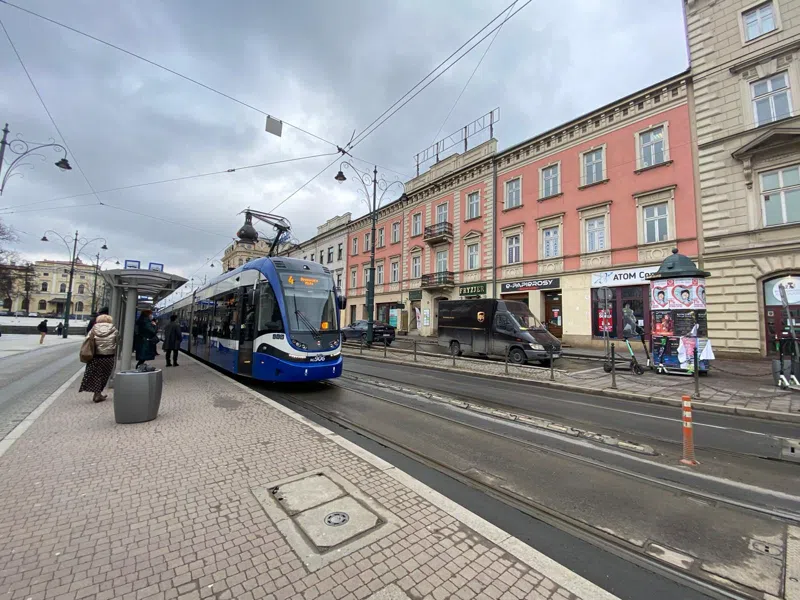
Nationalestraat doesn't announce itself. It's a narrow, slightly scruffy street of tram cables and old brick facades in Antwerp's south end, and nothing about the walk from one end to the other looks like the origin point of a global fashion movement. That's the point. In the 1980s, six graduates of the Royal Academy of Fine Arts — Ann Demeulemeester, Dries Van Noten, Walter Van Beirendonck, Dirk Van Saene, Dirk Bikkembergs and Marina Yee, later joined in spirit by Martin Margiela — drove a van of unsold samples to London Fashion Week because nobody in Belgium would show them. The press, unable to pronounce their names, called them the Antwerp Six. Forty years on, you can walk their legacy in an afternoon: a museum, a palace of a boutique, a scatter of shops that either belong to the Six directly or exist because of what they proved was possible. This is that walk, roughly in the order your feet will actually take it.
Nationalestraat: The Spine of the Six
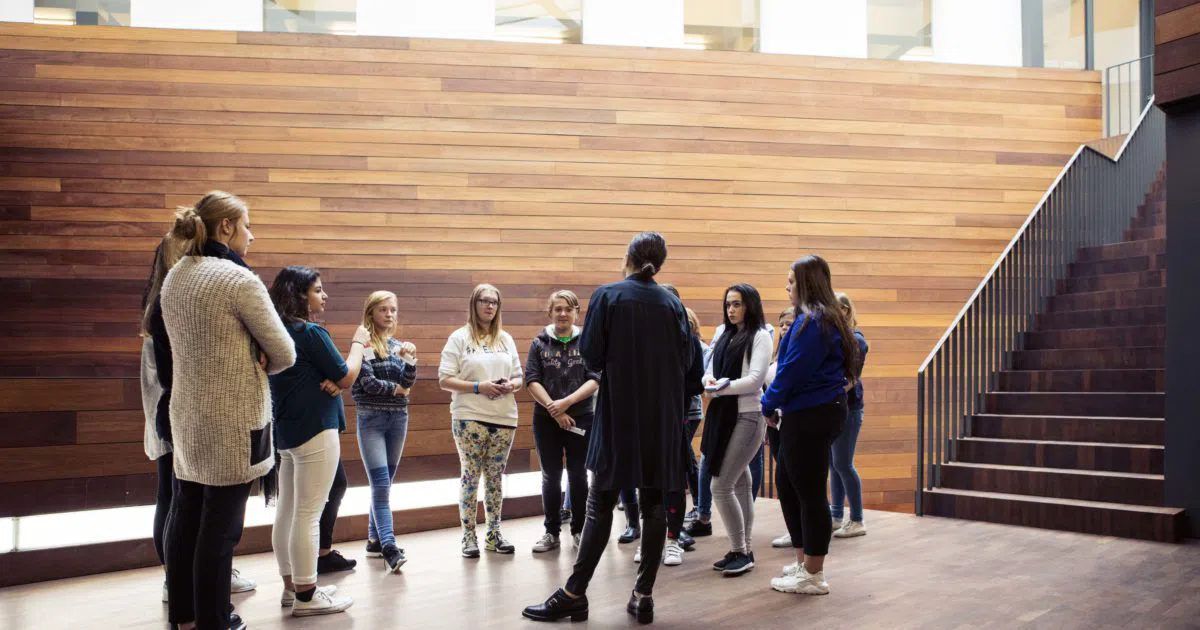
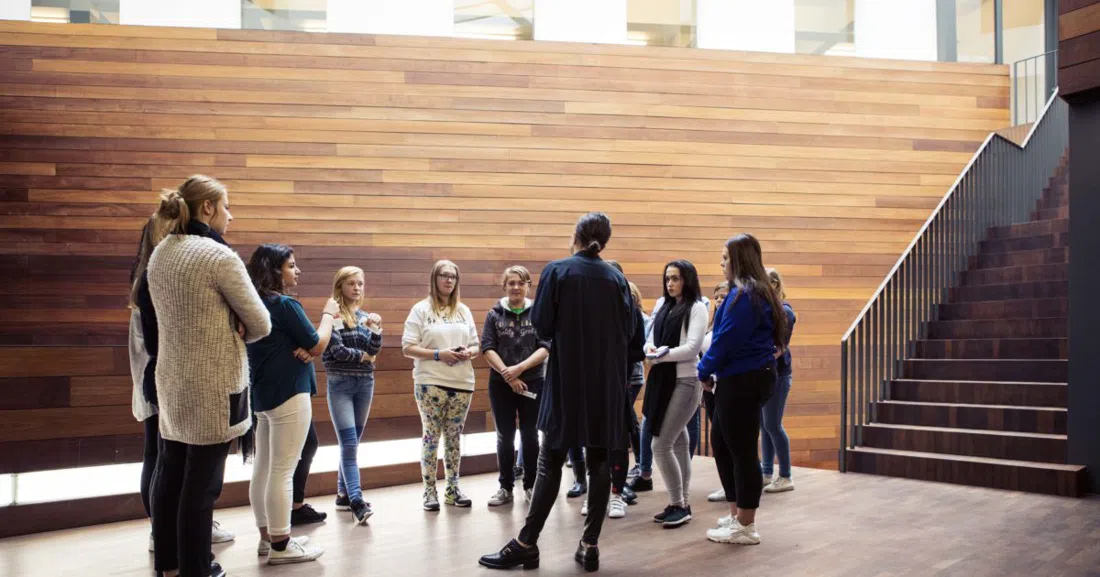
Start at the top of the street, at the building that turns the story into an institution. MoMu – Fashion Museum Antwerp (Nationalestraat, in the old National warehouse building) is the essential first stop, and in 2026 it's more essential than usual: the museum's headline exhibition, The Antwerp Six, runs through January 2027 and is the most complete public account of the group's rise you'll find anywhere. Standard timed-entry tickets are €13 for adults, €9 for concessions aged 18–25, and free under 18 — no booking drama for solo visitors or couples, just turn up and buy at the door or online. Groups are also well handled: MoMu takes guided group tours, but you need to book those in advance directly through the museum rather than showing up and expecting a docent. Budget an hour minimum if fashion history interests you at all; the exhibition design rewards slow reading of the wall text, not a fashion-week sprint through the rooms.
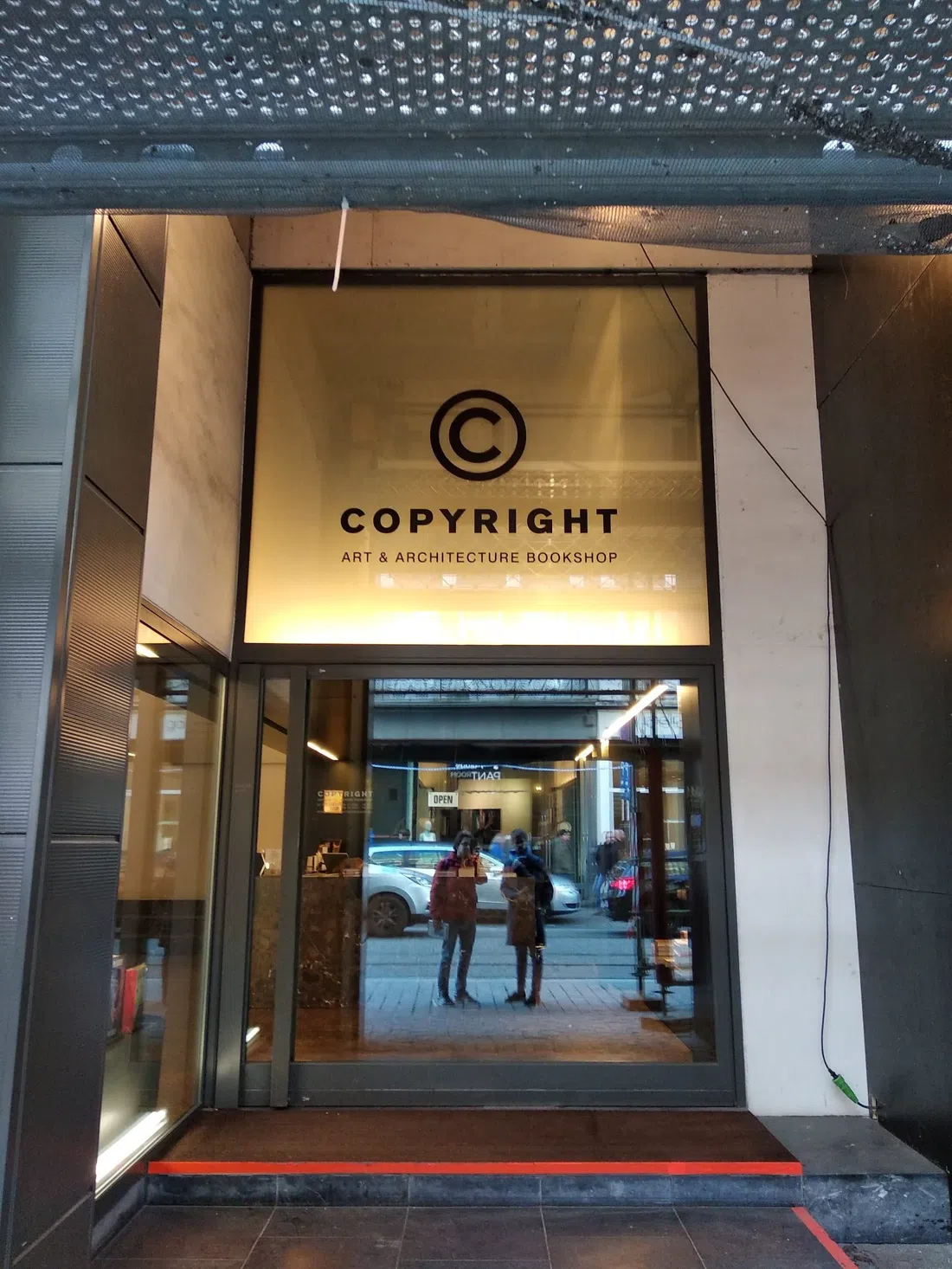
Before you leave the building, duck into the Copyright Bookshop, which sits literally inside MoMu's walls. This is not a gift shop bolted onto a museum for margin — it's a proper specialist fashion and design bookshop, the place where Antwerp's own design students and obsessives actually buy their catalogues, monographs and out-of-print references. Books run roughly €20–100. It welcomes browsers of any size, no purchase pressure, and it's worth five minutes even if you've already spent your budget in the museum shop next door.
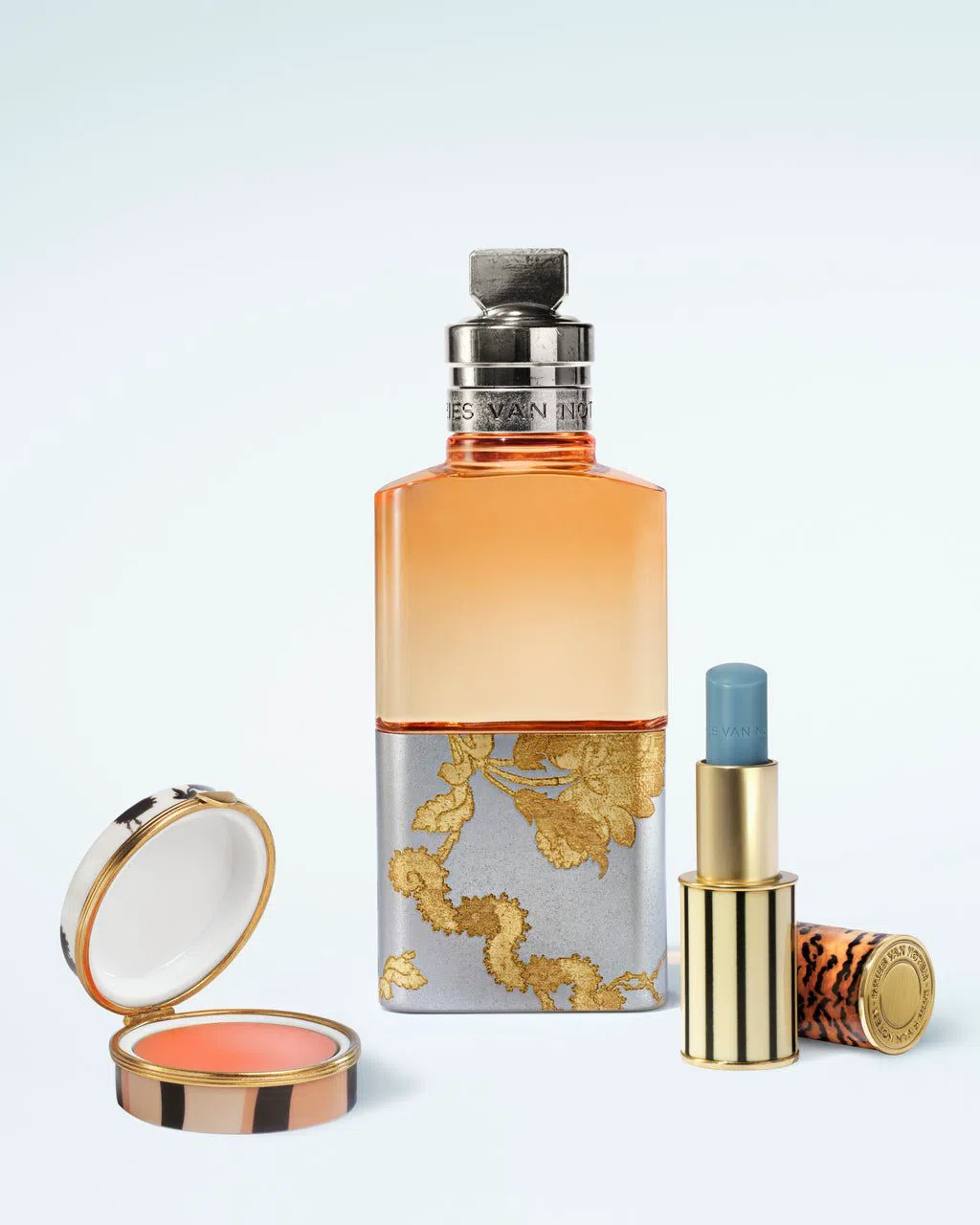
Walk on down Nationalestraat itself and you reach Het Modepaleis, Dries Van Noten's own flagship, housed in an 1881 building he bought and opened as his store in 1989 — the same year, not coincidentally, that put the Antwerp Six on the fashion map. Nothing about the shop has been diluted into a lifestyle-brand exercise; it's still recognisably the same palace, unchanged in spirit for over three decades, which is rare enough in fashion retail to be worth the visit on principle alone. It's a working boutique rather than a members' space, so there's no door policy to navigate and small groups are entirely fine — this isn't a place that will make you feel unwelcome for browsing rather than buying. Prices are properly designer-level, roughly €200 to €2,000-plus, so treat it as a look-and-learn stop unless you're shopping seriously.
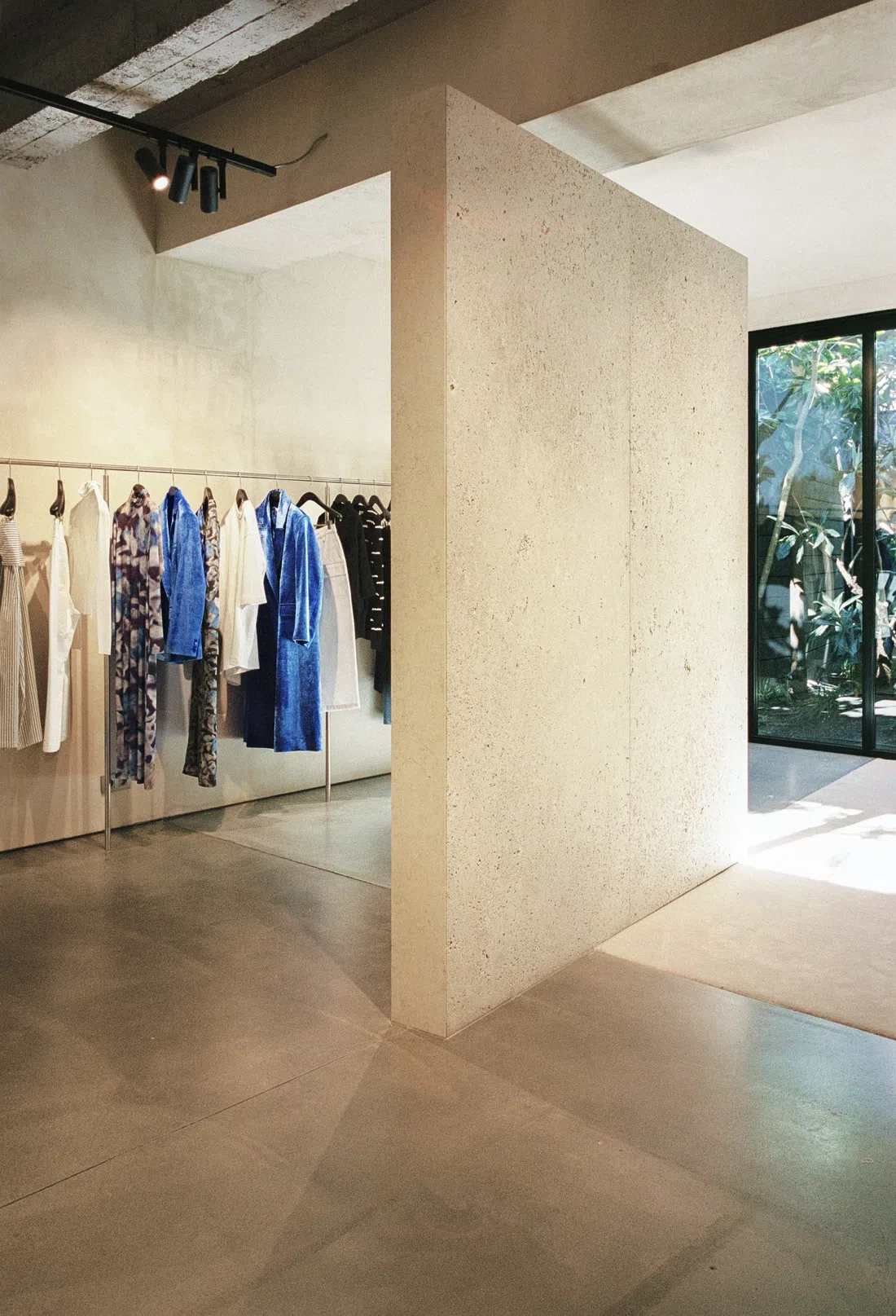
A short detour off the main strip brings you to Christian Wijnants Store, in an architect-designed space just off Nationalestraat. Wijnants trained at the same Antwerp fashion academy that produced the Six and represents the clearest proof that the lineage didn't stop in the 1980s — this is a working, current label, not a heritage act. Small groups are welcome here too, and the shop rewards a slower look: Wijnants is known for texture and knitwear rather than logo-driven pieces, so the clothes need handling to make sense. Prices run roughly €150–1,500.
Het Zuid: The Flagship and the Concept Store
Head south into Het Zuid, Antwerp's museum quarter, for the Ann Demeulemeester Antwerp Store. Demeulemeester's aesthetic — black, draped, deliberately severe — is one of the most influential in the Six's output, and this flagship is the best place anywhere to understand it in person rather than on a runway image. Be aware of the practical detail that trips people up: it's closed Sundays, open Monday to Saturday 10:00–18:30, so don't build a Sunday-heavy itinerary around it. Small groups are welcome inside. Prices sit in serious designer territory, roughly €300–3,000-plus.
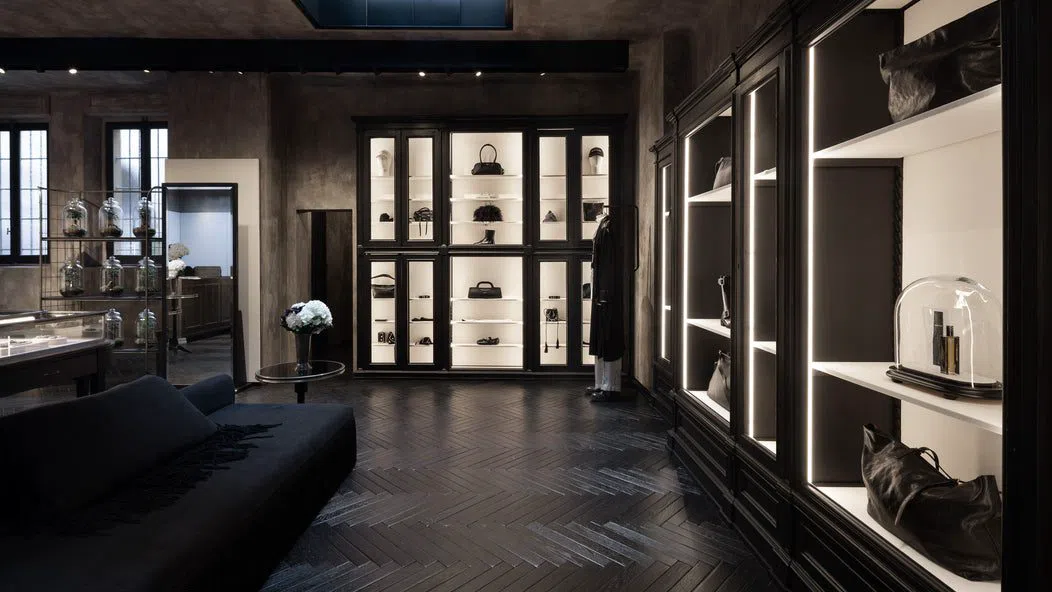
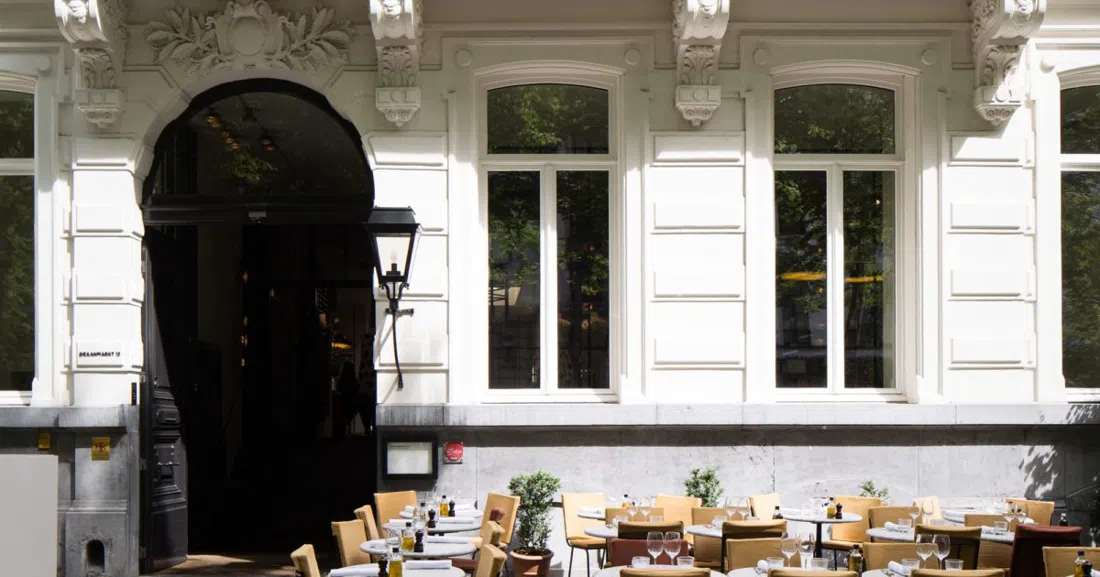
Nearby is Graanmarkt 13, a genuine Antwerp original: a townhouse converted into a fashion, art and concept-store space that predates most of the world's now-ubiquitous "concept store" language. One honest note for 2026 — the in-house restaurant that used to anchor the building has temporarily closed, so this isn't currently a lunch stop, and you shouldn't try to book a table expecting to eat. The store and gallery floors are still very much open and take groups well. Prices run roughly €100–2,000 depending on whether you're looking at art, homeware or clothing.
The Editors: Where Antwerp's Scene Gets Curated
Back toward the centre, Louis Antwerp on Lombardenvest is the closest thing the city has to a living archive of its own fashion scene — more than thirty years of family-run editing of Antwerp's designers under one intimate roof. It's a small space, which is part of its charm and also its limitation: small groups are fine, but call ahead if you're arriving as a larger party, since there simply isn't room to browse eight people at once without crowding the racks. Expect designer multi-brand pricing, roughly €150–2,000.
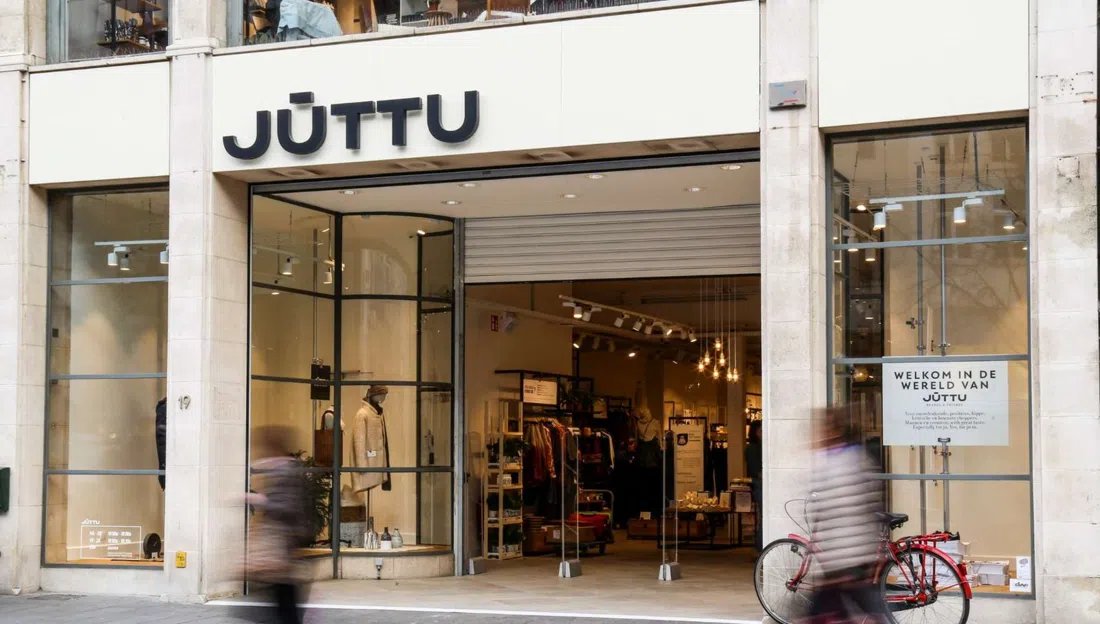
For a genuinely current read on where Antwerp fashion retail sits in 2026, rather than a museum-piece version of it, go to Juttu Antwerpen. It's a casual multi-brand boutique that mixes new labels with a resale corner — a detail that matters here, because Antwerp's design culture has always leaned toward reworking and reusing rather than pure novelty, and Juttu's secondhand rail is a small, honest continuation of that instinct. Groups are welcome, prices mid-to-high, roughly €50–500.
A short walk away, MOOSE in the City offers a different angle again: a Scandinavian-leaning, sustainability-first concept store that proves Antwerp's boutique scene isn't stuck relitigating 1989. It's a useful corrective if the rest of the mile starts to feel like a heritage trail — this is where the city's shopping culture is actually heading. Small groups fine, prices roughly €30–300.
Kloosterstraat and Kammenstraat: Antwerp's Other Fashion Story
The Six didn't invent their aesthetic from nothing — a lot of the deconstructed, workwear-and-militaria language that ran through their early collections came from secondhand markets, and Antwerp still has two streets that carry that thread forward.
Kloosterstraat is the city's antiques-and-vintage street, a long run of independent shops best explored at your own pace rather than on a guided tour — there's no single owner or door policy to navigate, just shop after shop of furniture, textiles, militaria and vintage clothing. Browsing is free; actual purchases range wildly, roughly €20 into the thousands for serious antique furniture. Give it at least forty-five minutes if browsing genuinely interests you, since the good pieces are often at the back of shops that look unpromising from the street.
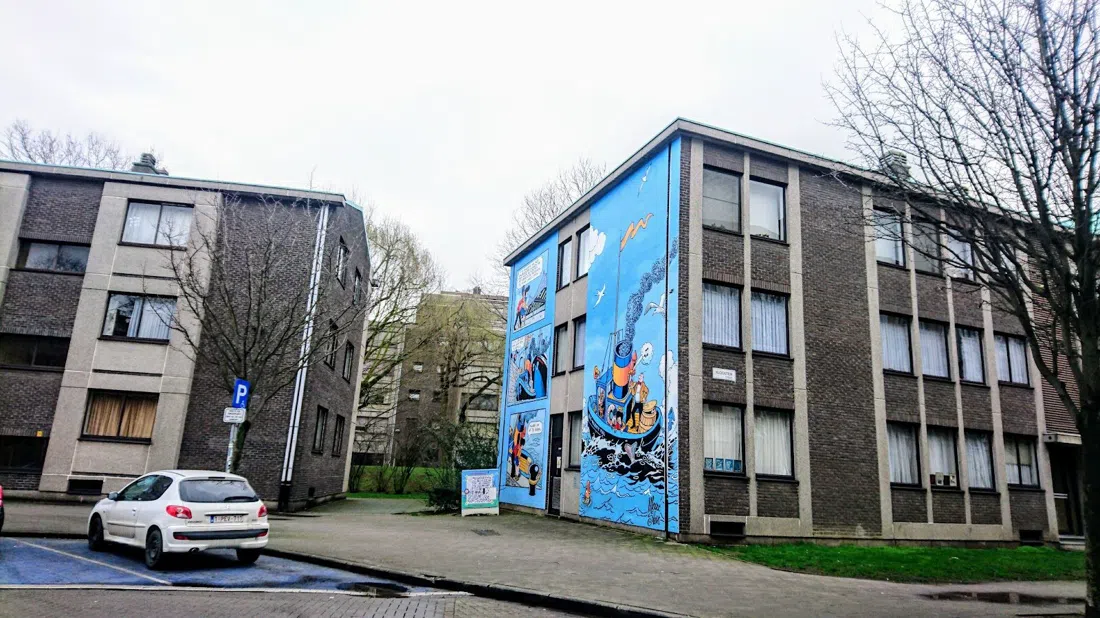
Kammenstraat is the scrappier, younger sibling to Nationalestraat's designer polish — a street of streetwear, skate and vintage shops where Antwerp's next generation of shoppers, and probably its next generation of designers, actually spend their money. It's unrestricted and budget-friendly, roughly €5–150 a piece, and a useful contrast if the designer prices further up the mile have started to feel abstract.
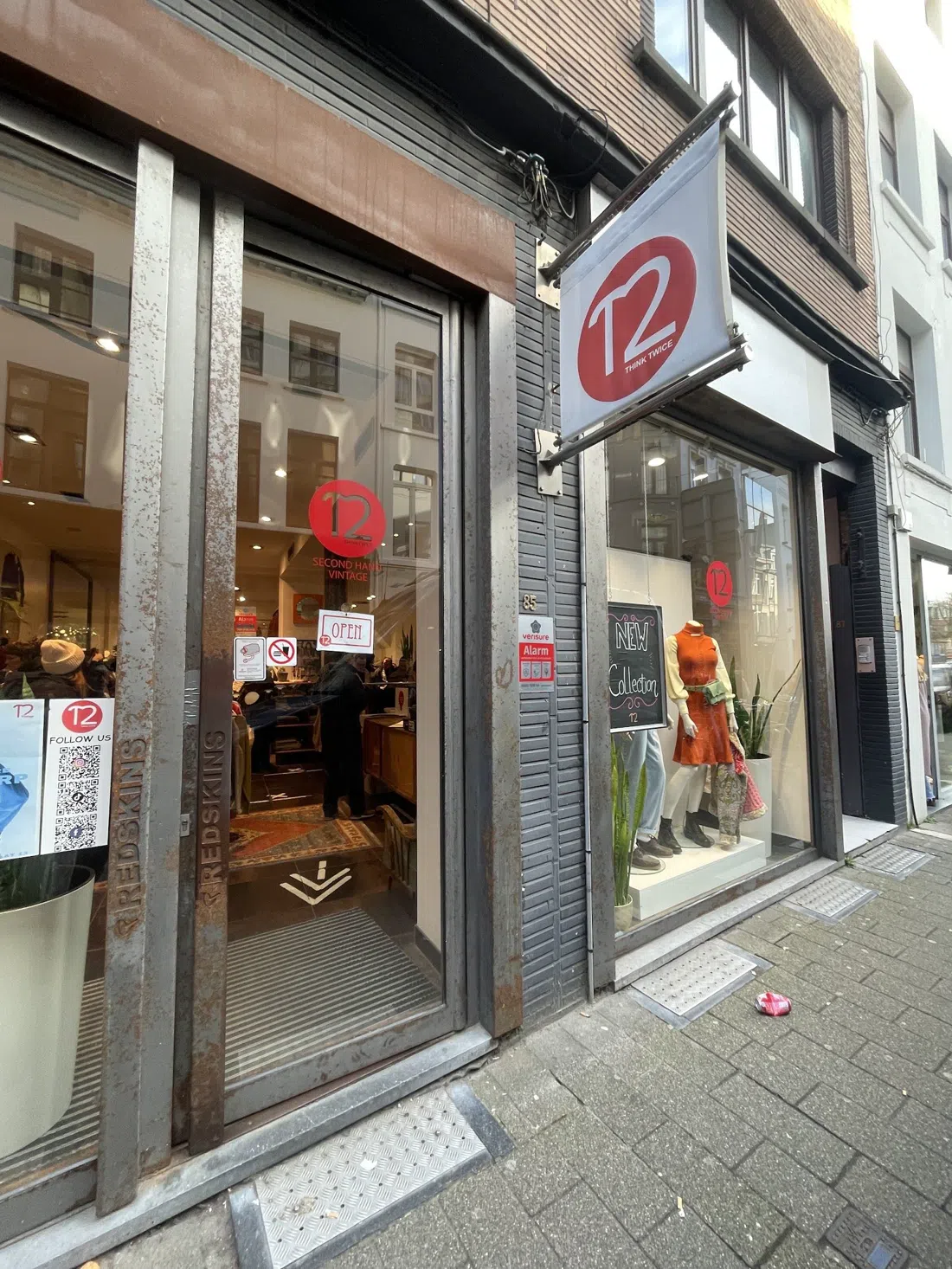
Off Kammenstraat, or as a standalone stop if you're short on time, Think Twice is Belgium's dominant vintage chain, and its Antwerp branch is the biggest in the country. It gets busy on weekends, which is a fair trade for the volume and turnover of stock — this is a serious, well-organised secondhand operation rather than a rummage bin, priced roughly €2–80. It's a good closing stop on the mile: proof that Antwerp treats secondhand clothing as a legitimate design source rather than a last resort, which is exactly the instinct the Six built a global reputation on.
Practical Notes
Transport: Nationalestraat, Het Zuid and Kammenstraat/Kloosterstraat are all comfortably walkable from Antwerp's city centre — this whole route can be done on foot in a single day without needing trams, though Antwerp's tram network covers the same ground if your feet give out. Antwerp-Centraal train station is a roughly 20–25 minute walk or a short tram ride from the MoMu end of the route.
Cash and cards: Card payment is standard across every shop on this list, including the smaller boutiques; you won't need cash for purchases. Antiques stalls on Kloosterstraat are the one place cash can still smooth a deal, particularly for lower-value items where a card machine adds friction.
Timing: Most of these shops open around 10:00–11:00 and close by 18:00–18:30; note Ann Demeulemeester's Sunday closure specifically, since it's the one venue on this list that will actively disrupt a Sunday itinerary if you don't plan around it. MoMu is best visited on a weekday morning if you want to read the Antwerp Six exhibition without crowds. A full walk of everything listed here, including the MoMu exhibition, realistically needs a full day; a tighter half-day version would cut Kloosterstraat and Think Twice and stick to the designer flagships and MoMu.
Budget: You can do the entire route for the price of a MoMu ticket, a coffee and some vintage-shop browsing — nobody is obliged to buy at the designer flagships. If you do want to buy into the Six's legacy directly, budget seriously: designer pieces at Het Modepaleis, Ann Demeulemeester or Christian Wijnants start around €150–300 for smaller items and climb well past €1,000 for outerwear.
Sort accommodation before you commit to a full day on your feet — this is a walking-heavy route with a lot of standing and browsing built in. Start with an Antwerp hotel search for somewhere within easy reach of the centre, and see the full Antwerp guide for the rest of the city beyond the fashion mile.