
Antwerp
Antwerp is a city of sharp contrasts, where industrial grit meets high-fashion refinement.
Guests & rooms
The Antwerp guide
An insider’s read on Antwerp
AAntwerp is a city of sharp contrasts, where industrial grit meets high-fashion refinement.
Antwerp's identity was forged during its 16th-century golden age, when it was the financial capital of Europe and a hub for global trade. The legacy of this wealth is visible in the opulent guildhalls of the Grote Markt and the masterworks of Peter Paul Rubens, who lived and worked here. In the late 20th century, the city reinvented itself as a global fashion capital. This blend of mercantile ambition, artistic genius, and contemporary design gives the city its distinct edge: historic but never museum-like, wealthy but thoroughly creative.

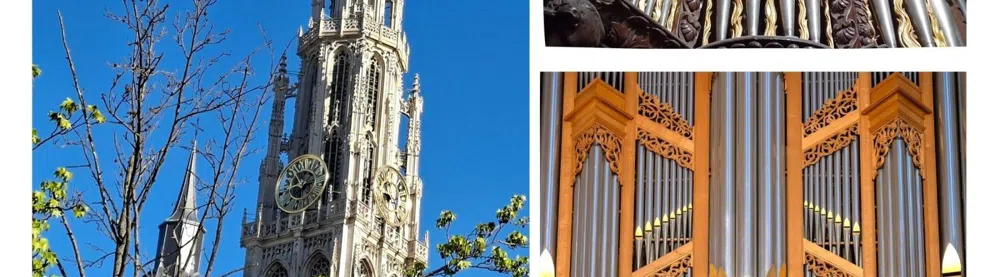
PLATE IAntwerp, Belgium

Guides & ideas
The Antwerp reading list
Hand-written guides from our editors — itineraries, the best of after dark, where to eat, and what’s genuinely worth your time.
Antwerp in a Day, From the Station Hall to the Scheldt
A single-day walking route through Antwerp that starts under the dome of Centraal, runs down to the river and ends with a beer near Berchem. Real prices, closing days and what is actually open.
What Antwerp Actually Eats Beyond Beer and Waffles
Three-star tasting menus, hand-pulled noodles, a raisin rye loaf from 1884 and the frites cone that ends the night: how to eat Antwerp properly in 2026.
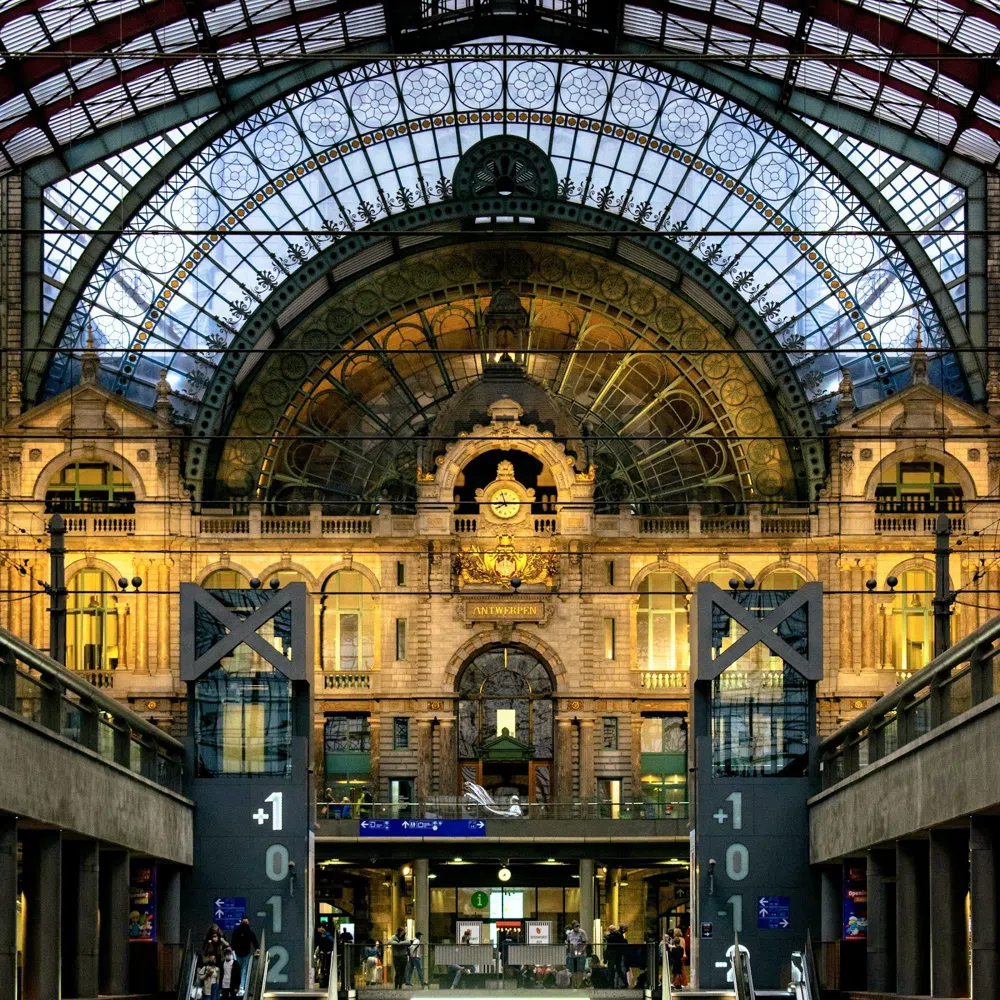
A Slow Day in Antwerp from the Station to the Scheldt
A single unhurried day, walked in order: station marble, Rubens's garden, a two o'clock church, the tunnel under the river and a free rooftop at sunset.
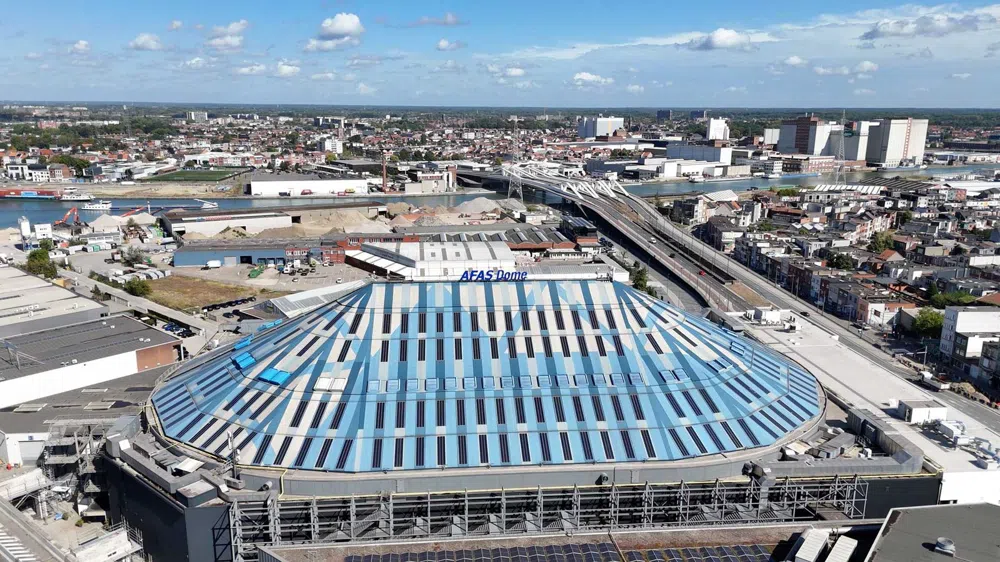
A Weekend in Antwerp Built Around J. Cole at AFAS Dome
Two days walking Antwerp around the arena show on 17 October 2026: which places are open when, what the doors are really like, and where to eat after midnight.
A Night Walk Through Antwerp's Red Lights and Working Harbor
A route through Antwerp after the shops close: a guided walk through the Schipperskwartier, a frietkot stop, and the port lit up like a second skyline.
Rubens' House and the Studio That Painted a Continent
A walking guide through Antwerp's Rubens sites in 2026 — the half-open house, the full-scale altarpieces, the patrons' homes, and the museum holding his deepest collection.
Where to base yourself
The neighborhoods
01
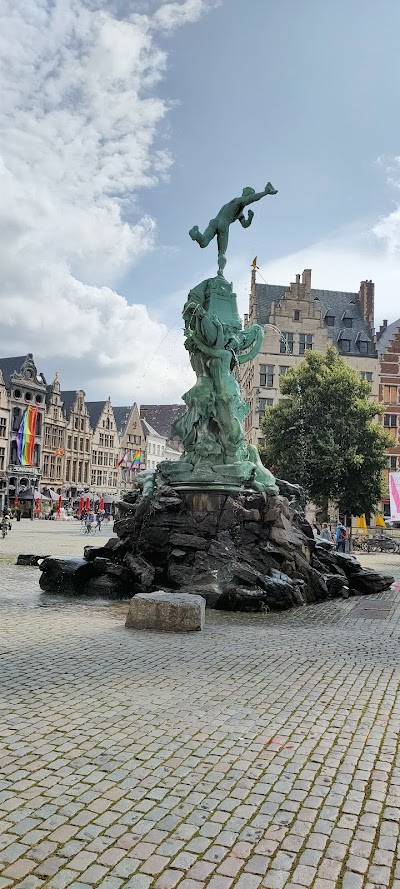
Historisch Centrum
For First-time visitors who want to be steps from major landmarks. The trade-off is higher prices and a larger concentration of souvenir shops and tourist-oriented restaurants.
The medieval heart of the city, characterized by narrow cobblestone alleys, historic guildhalls, and towering Gothic architecture.
Where to stay — Historic boutique hotels and converted townhouses near the Grote Markt.
02
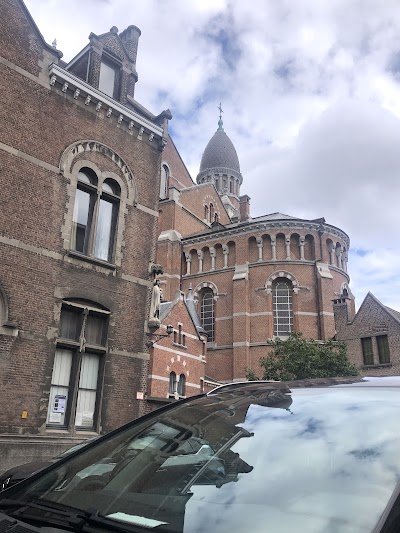
Het Zuid
For Art lovers, foodies, and design-conscious travelers. It is quieter during the day but lively at night, though lodging here is generally more expensive.
An upscale, trendy district with wide, Parisian-style boulevards, grand 19th-century mansions, contemporary art galleries, and fashionable dining spots.
Where to stay — Design-focused boutique hotels and high-end apartments.
03
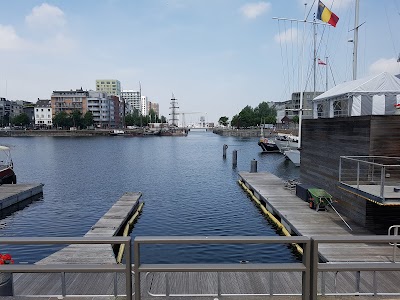
Eilandje
For Travelers who appreciate modern architecture, maritime history, and waterfront dining. It is a bit of a walk from the historic center, though well-connected by tram.
The old port docks transformed into a sleek waterfront neighborhood, featuring industrial architecture, modern apartment blocks, and yacht marinas.
Where to stay — Modern business hotels and waterfront loft rentals.
04
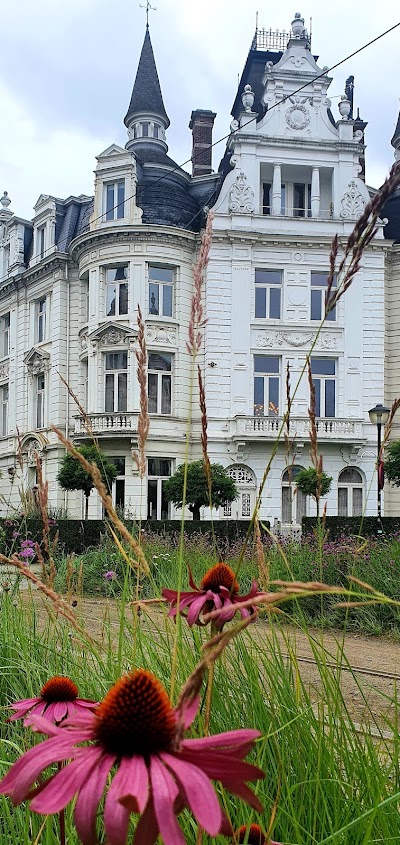
Zurenborg
For Architecture enthusiasts and those seeking a quiet, authentic local vibe. It is located east of the center, requiring a short tram or bike ride to reach major sights.
A quiet, residential neighborhood famous for its spectacular late 19th-century Belle Époque, Art Nouveau, and eclectic architecture.
Where to stay — Local bed and breakfasts and guesthouses.
05
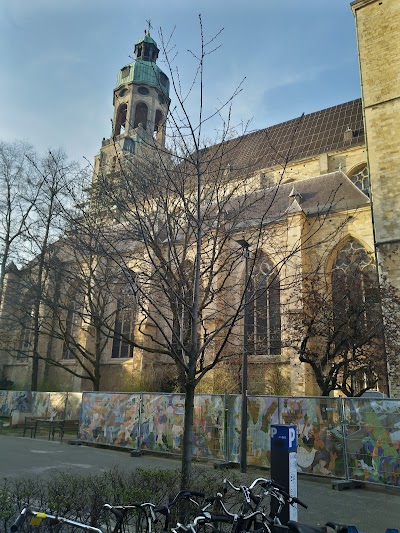
Sint-Andries
For Fashion lovers, vintage shoppers, and creative minds. It offers a gritty but stylish atmosphere, though some streets can feel quiet on Sundays and Mondays when shops close.
Historically a working-class neighborhood, now the epicenter of the city's fashion scene, filled with vintage shops, designer boutiques, and antique dealers.
Where to stay — Stylish apartments and minimalist boutique guesthouses.
06

Borgerhout
For Budget travelers and those looking for an unvarnished, creative local scene. Some areas can feel rough around the edges at night, but it is highly vibrant.
A diverse, multicultural neighborhood with a gritty, energetic edge, home to creative workspaces, Middle Eastern bakeries, and trendy natural wine bars.
Where to stay — Budget-friendly guesthouses and apartment rentals.
07
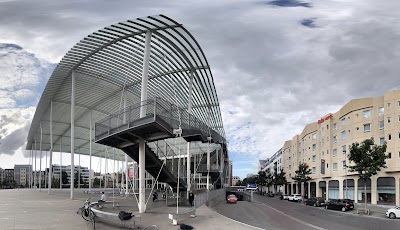
Theaterbuurt
For Culture seekers and shoppers who prefer a refined, central location that is less touristy than the historic center.
The theater district, characterized by grand performance venues, elegant shopping arcades, and the city's botanical garden.
Where to stay — Upscale hotels, including historic monastery conversions.
08
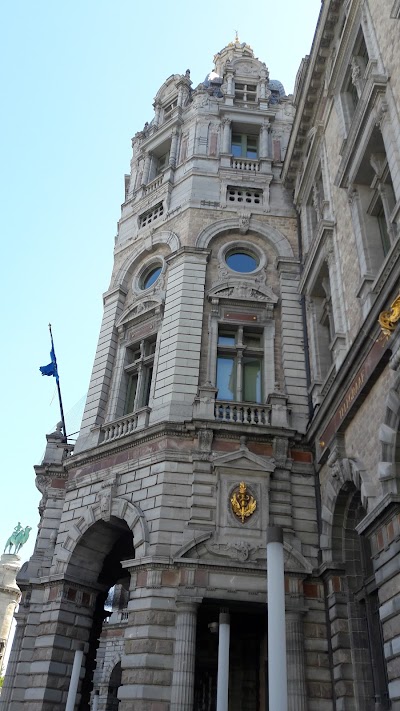
Diamond Quarter (Diamant)
For Business travelers and those fascinated by the diamond trade. The area lacks historic charm and can feel quiet and corporate on weekends.
A high-security, fast-paced district adjacent to the central station, where the global trade of rough and polished diamonds takes place.
Where to stay — Mid-range business hotels near the central station.
09
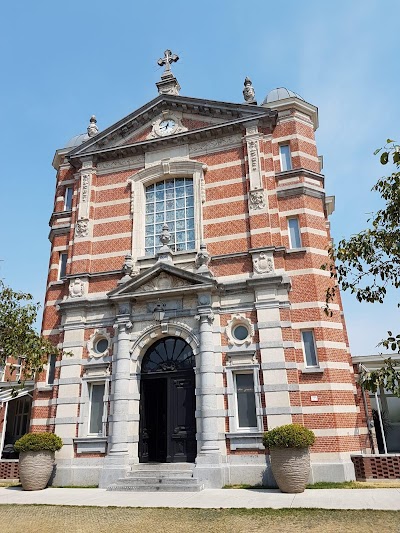
Groenkwartier
For Design lovers and culinary travelers who want a peaceful, high-end retreat away from the tourist crowds.
A pedestrian-only, green redevelopment of a former 19th-century military hospital complex, focusing on sustainable living and high-end gastronomy.
Where to stay — Upscale design hotels located within the historic hospital buildings.
Book direct
Book a hotel in Antwerp
Loading live availability and real-time prices…
Where to eat
Dining
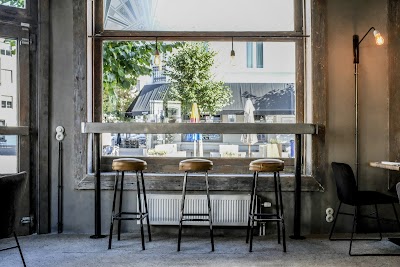
Fiskebar
€€€Het Zuid
It offers exceptionally fresh, sustainably sourced North Sea fish in a bright, minimalist Scandinavian-style dining room.
Signature — The plateau de fruits de mer, featuring oysters, crab, and North Sea shrimp.
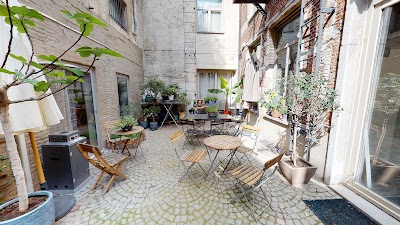
De Matelote
€€€€Historisch Centrum
An intimate, long-running seafood institution tucked away in a quiet alley, known for classic French-Belgian preparation.
Signature — Pan-fried sole meunière with butter-rich mashed potatoes.
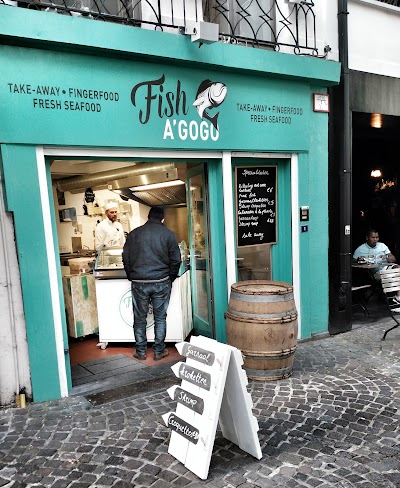
Fish A'gogo
€Historisch Centrum
A tiny, casual counter-serve spot near the cathedral offering high-quality, simple seafood bites at accessible prices.
Signature — Crispy fried calamari and razor clams with garlic and herbs.
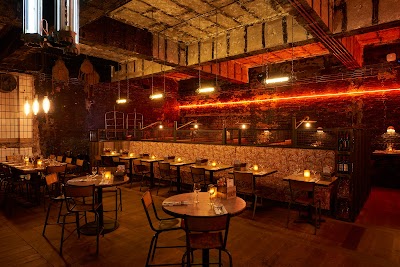
Black Smoke
€€€Groenkwartier
Located at the De Koninck Brewery, this spot combines American-style low-and-slow barbecue techniques with high-quality European cuts of meat.
Signature — The 16-hour slow-smoked brisket, infused with local De Koninck beer.
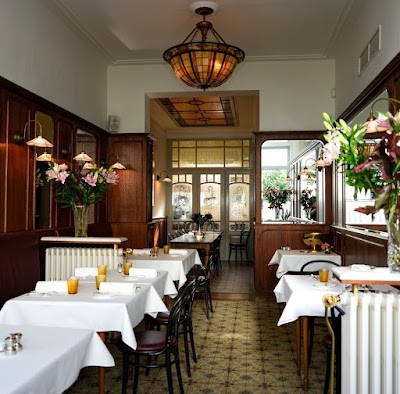
Bistrot Du Nord
€€€€Antwerpen-Noord
A Michelin-starred, old-school bistro that specializes in traditional meat preparations and offal, executed with extreme precision.
Signature — Sweetbreads prepared with seasonal mushrooms and rich Madeira sauce.
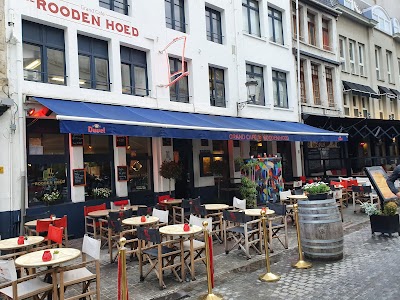
Grand Cafe De Rooden Hoed
€€Historisch Centrum
The city's oldest operating restaurant, offering classic, hearty Belgian meat dishes in a historic, wood-paneled dining room.
Signature — Traditional Flemish beef stew (stoverij) cooked with dark abbey beer.
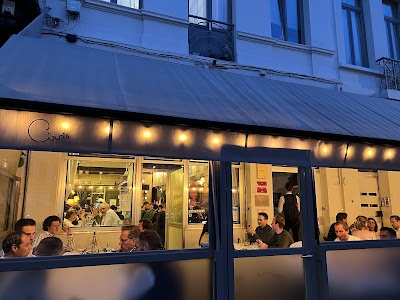
Ciro's
€€€Het Zuid
A legendary, nostalgic bistro with wood-paneled walls and waiters in formal attire, serving flawless Belgian comfort food classics.
Signature — Steak tartare, prepared tableside to the guest's exact preference.
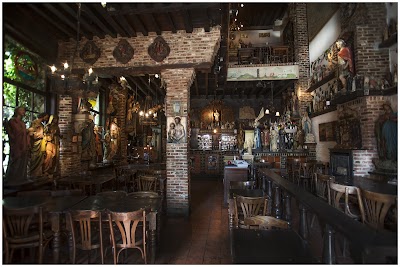
Elfde Gebod
€€Historisch Centrum
Famous for its eccentric interior packed with hundreds of antique church statues, offering a unique setting for local beers and traditional bites.
Signature — Classic Belgian mussels prepared in white wine and celery.
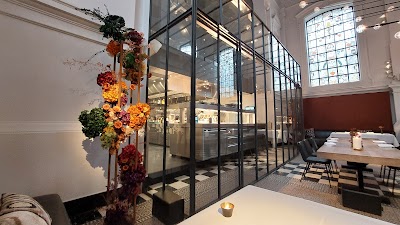
The Jane
€€€€Groenkwartier
Set in the breathtaking, high-ceilinged chapel of a former military hospital, featuring a custom skull chandelier and a kitchen where the altar once stood.
Signature — The multi-course tasting menu focusing on modern, globally-inspired seafood.
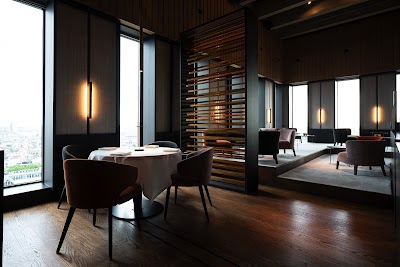
Zilte
€€€€Eilandje
Located on the top floor of the MAS museum, offering three-Michelin-starred gastronomy paired with panoramic views of the harbor and city.
Signature — Langoustine prepared with kombu, ginger, and local herbs.
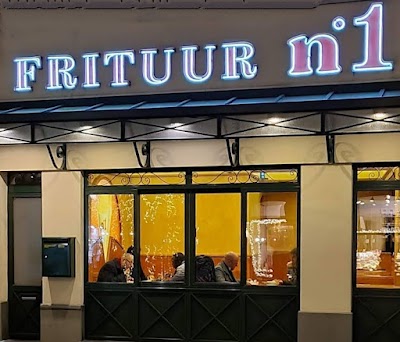
Frituur No. 1
€Historisch Centrum
Operating since the mid-20th century, this central spot is the classic choice for late-night, double-fried Belgian fries.
Signature — Fries topped with traditional beef stew sauce (stoverijsaus) and mayonnaise.
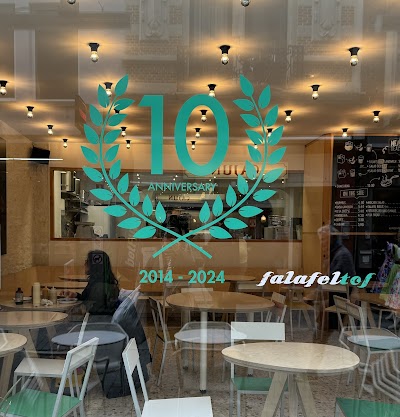
Falafel Tof
€Sint-Andries
A popular, self-service spot in the fashion district serving fresh, crispy falafel with an extensive salad bar for customization.
Signature — The classic falafel pita, loaded with house-made pickles and tahini.
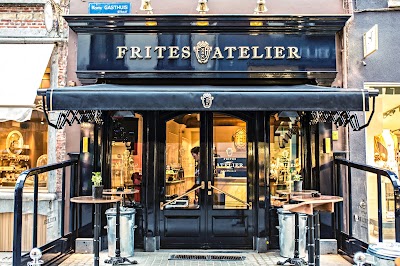
Frites Atelier
€€Historisch Centrum
An upscale take on the traditional fry shop, created by a Michelin-starred chef, featuring premium toppings and artisanal sauces.
Signature — Fries topped with Flemish beef stew, pickled mustard seeds, and fresh herbs.
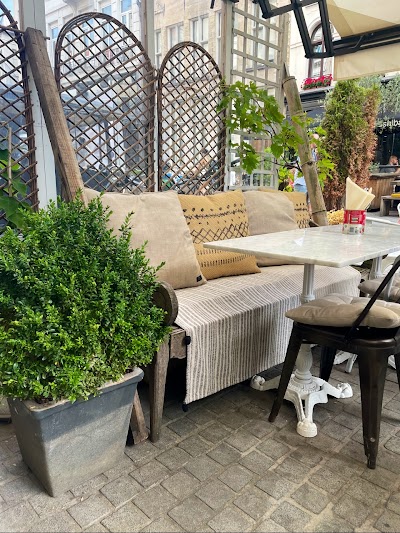
Spritz
€€Historisch Centrum
A cozy, fully vegan Italian restaurant on the historic Oude Koornmarkt, serving plant-based interpretations of classic pasta dishes.
Signature — Vegan carbonara made with smoked tofu and a rich, creamy cashew sauce.
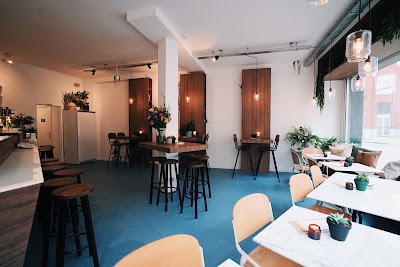
Camion
€€Het Zuid
A trendy, female-owned bistro serving creative, organic, plant-based sharing plates alongside natural wines.
Signature — The seasonal vegetable sharing board, featuring house-made dips and fermented vegetables.
After dark
Nightlife
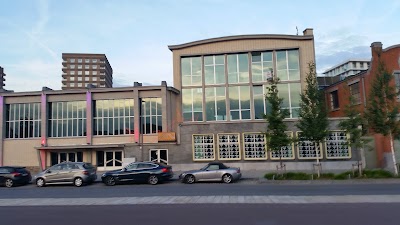
Club Vaag
Eilandje
An underground, basement-style club known for its raw concrete aesthetic, exceptional sound system, and bookings of international underground techno and house DJs.
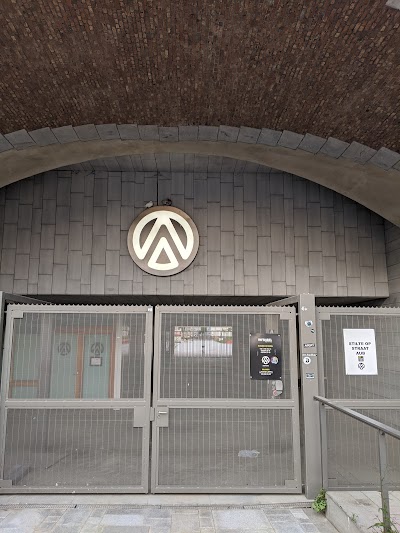
Ampere
Diamond Quarter
An eco-friendly, industrial-style club located under the railway tracks, hosting forward-thinking electronic music events and cultural workshops.
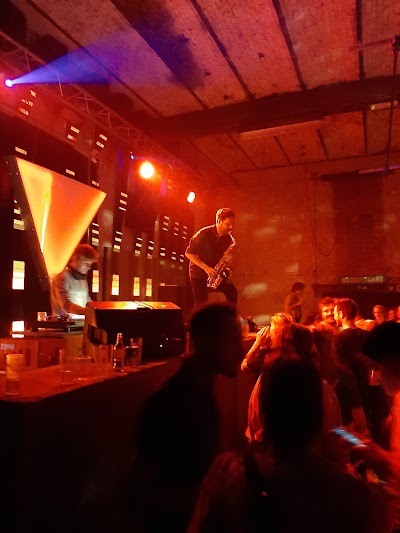
Pekfabriek
Borgerhout
A converted historic pitch factory that hosts irregular, underground warehouse parties, art events, and late-night electronic sessions.
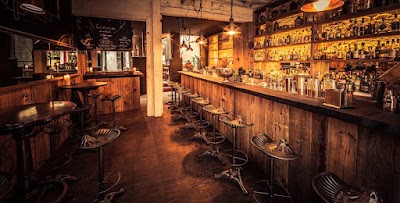
Dogma
Historisch Centrum
Widely credited with elevating the city's cocktail scene, this moody, vintage-style bar features highly creative, bespoke drinks and ice carved by hand.
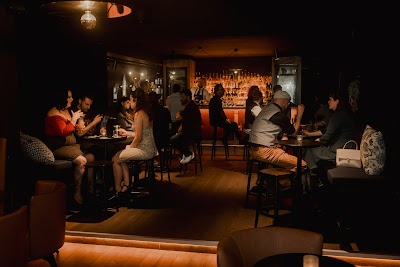
Belroy's Bijou
Het Zuid
A sleek, intimate cocktail den specializing in perfectly balanced classics and their own house-distilled spirits.
Black Smoke Rooftop
Groenkwartier
Operating during the warmer months, this rooftop bar offers excellent views over the city skyline alongside creative, barbecue-friendly cocktails.
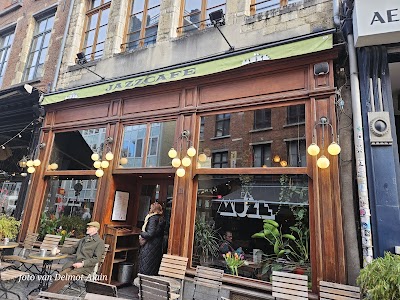
De Muze
Historisch Centrum
A legendary, multi-level jazz cafe operating since the 1960s, featuring live jazz performances almost every night in a cozy, brick-walled setting.
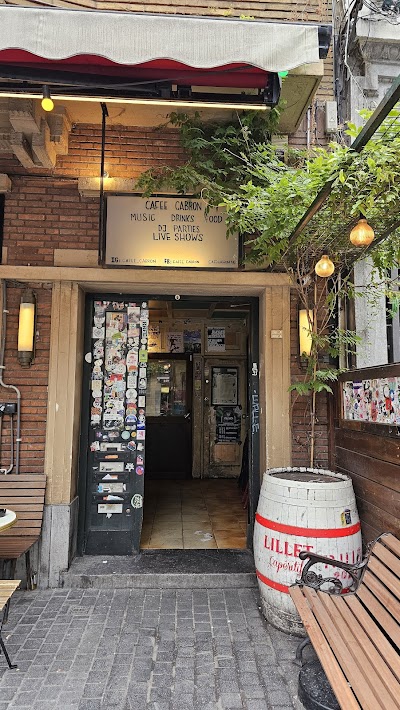
Café Cabron
Historisch Centrum
A lively, unpretentious bar hosting regular live gigs, ranging from indie rock and punk to singer-songwriter showcases.
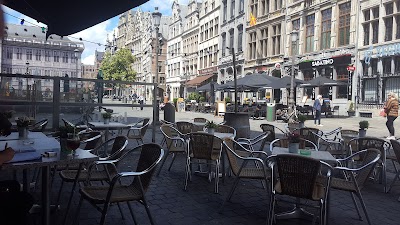
Kid's Rhythm 'n' Blues Kaffee
Historisch Centrum
A dedicated rock and blues bar on the Grote Markt, hosting live bands and jam sessions in a venue packed with music memorabilia.
Art & history
Culture
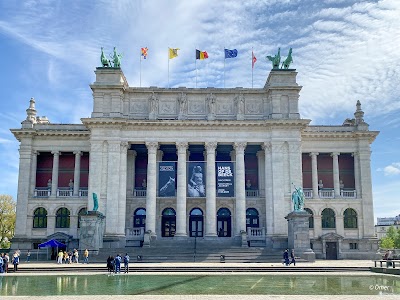
Royal Museum of Fine Arts Antwerp (KMSKA)
Het Zuid
Following a massive, decade-long renovation, this grand museum houses an unparalleled collection of works by Peter Paul Rubens, James Ensor, and the Flemish Primitives.
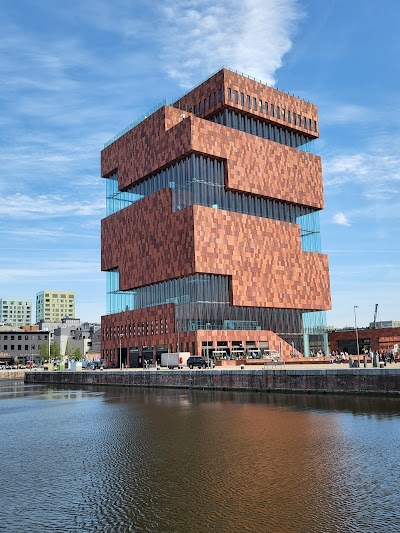
Museum aan de Stroom (MAS)
Eilandje
A striking, 60-meter-high red sandstone tower that tells the story of the city's connection to the wider world through maritime history, art, and folklore.
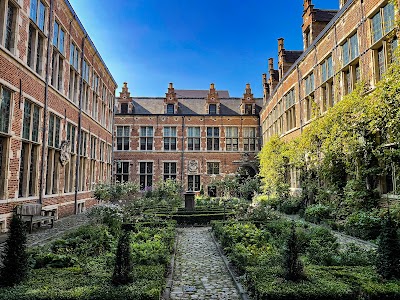
Plantin-Moretus Museum
Historisch Centrum
The world's only museum designated as a UNESCO World Heritage site, located in the original 16th-century home and workshop of printing pioneers Christophe Plantin and Jan Moretus.
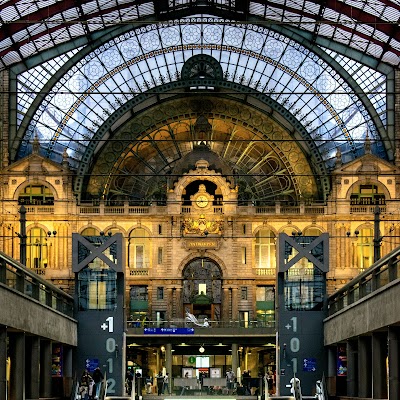
Antwerpen-Centraal
Diamond Quarter
Widely regarded as one of the world's most beautiful railway stations, this late 19th-century masterpiece features a monumental stone dome and a massive iron-and-glass train hall.
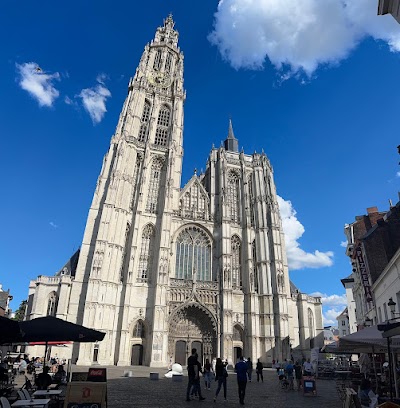
Cathedral of Our Lady (Onze-Lieve-Vrouwekathedraal)
Historisch Centrum
A masterpiece of Brabantine Gothic architecture, its single completed spire dominates the skyline, and the interior houses several monumental altarpieces by Peter Paul Rubens.
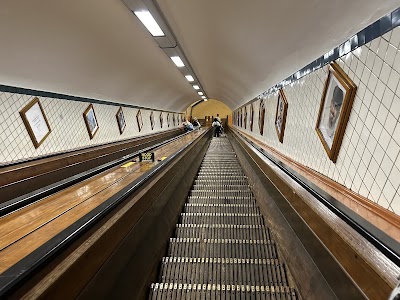
Sint-Annatunnel (Underpass)
Historisch Centrum
A historic pedestrian and cyclist tunnel built in the 1930s to connect the city center with the left bank, featuring its original, beautifully preserved wooden escalators.
Zeno X Gallery
Borgerhout
One of the country's most prestigious contemporary art galleries, representing major international artists like Luc Tuymans and Michaël Borremans in a minimalist industrial space.
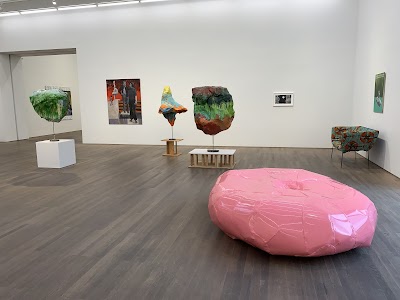
Tim Van Laere Gallery
Nieuw Zuid
Housed in a striking, brutalist concrete building designed by Office KGDVS, this gallery showcases bold, expressive contemporary painting and sculpture.
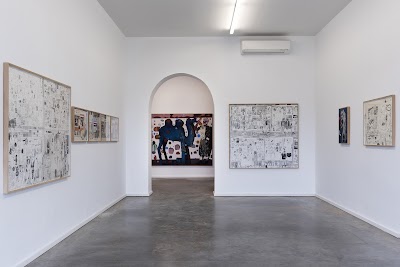
Gallery Sofie Van de Velde
Het Zuid
A dynamic gallery that focuses on bridging the gap between established modern artists and emerging contemporary talent.
Book ahead
Top-rated experiences in Antwerp

Private MAS Antwerp Aperitif Cruise (8 - 12 Guests)
from $53

Private MAS Antwerp Aperitif Cruise (13–50 Guests)
from $53

Antwerp Pub Crawl
from $71

Antwerp Private Beer Tour
from $230

2-Hour Private Walking Tour in Antwerp
from $325

Antwerp: Port of Antwerp Public Boat Tour with Expert Guide
from $77

Guided Antwerp Port Tour, in your Car or Minibus
from $307

Private Authentic Indian Cooking Class in Antwerp with Aastha
from $124
Prices from Viator; we may earn a commission when you book — at no extra cost to you. Tours are sold and operated by Viator, the merchant of record. Ratings are collected by Viator and Tripadvisor.
Timing
When to visit
Spring
April and May bring mild temperatures and outdoor cafe seating. The city's parks and botanical gardens are in bloom, and tourist crowds are manageable.
Summer
June through August is warm and lively, with numerous open-air events, rooftop bars, and festivals. However, many independent boutiques and restaurants close for several weeks in August for annual holidays.
Autumn
September and October are excellent for fashion enthusiasts, coinciding with the launch of autumn collections. The weather turns crisp, perfect for exploring the museums and cozying up in traditional brown cafes.
Winter
November to March is cold and frequently damp, but the city excels at winter atmosphere with its festive markets in December and cozy, candlelit taverns.
What it costs
Budgeting
Logistics
Getting around
From the airport
Most international travelers arrive via Brussels Airport (BRU), which has a direct train connection to Antwerpen-Centraal taking approximately 30 minutes. Antwerp International Airport (ANR) handles limited regional flights; a short bus ride (Line 51, 52, or 53) connects it to Berchem station, from where trams run to the center.
Public transit
The public transit network is operated by De Lijn, consisting of an efficient tram and bus system. Trams often run underground (known as the Premetro) in the city center, making them the fastest way to cross town.
Passes & tickets
The Antwerp City Card offers unlimited public transit and free entry to most major museums. It is available in 24-hour, 48-hour, or 72-hour increments, falling into the €€ price band.
On foot
The historic core, fashion district, and waterfront are highly compact and best explored on foot. Walking from the central station to the Scheldt river takes about 25 minutes along pedestrian-friendly streets.
Travel smart
Safety & etiquette
Local etiquette
- •Always respect the bicycle lanes; they are heavily used, and walking in them is a frequent source of frustration for locals.
- •When greeting someone, a handshake is standard for acquaintances, while close friends exchange a single light kiss on the cheek.
- •Service charge is included in restaurant bills, but it is customary to leave a small cash tip (around 5-10%) for exceptional service.
From the ground
Practical tips
1
Many independent restaurants and boutiques are closed on Sundays and Mondays; plan your dining and shopping schedules accordingly.
2
The Antwerp City Card is only worth the cost if you plan to visit at least three major museums within a 24-hour period.
3
Avoid driving in the city center; the streets are narrow, parking is expensive, and the entire city center is a Low Emission Zone requiring registration.
4
Visit the MAS museum rooftop in the evening; it remains open later than the museum galleries and offers a free view of the illuminated harbor.
5
When renting a Velo bike, make sure the green light flashes when you return it to a dock, otherwise the timer will continue to run on your card.
6
The Saturday exotic market at Oudevaartplaats is the best place to sample local cheeses, oysters, and Moroccan street food at lower prices than restaurants.
7
If visiting the Cathedral of Our Lady, check the schedule for carillon concerts, when the historic bells are played live over the city center.
Antwerp FAQs
What is the local language, and is English widely spoken?
The official language is Dutch (Flemish). English is spoken fluently by almost everyone you will interact with, particularly in shops, restaurants, and museums.
Are shops open on Sundays?
Most shops in the city center are closed on Sundays, with the exception of the first Sunday of every month ('Koopzondag') when major shopping streets open.
Can I buy diamonds safely in the Diamond Quarter?
Yes, but only buy from registered dealers certified by the Antwerp World Diamond Centre (AWDC) to ensure quality and ethical sourcing.
How many days do I need to see the city?
Two full days are sufficient to see the major historic sights and museums, but a third day allows you to explore the creative outer neighborhoods like Zurenborg and Eilandje.
Is the tap water safe to drink?
Yes, tap water throughout the city is of exceptionally high quality and completely safe to drink.