The Antwerp issue
Fourteen Antwerp Museums That Aren't KMSKA or MAS
Crowds are not what makes the smaller museums in Antwerp hard to see. A closing Wednesday, a summer-only window and a two-afternoon volunteer rota are, so here is the walk in the right order with the doors written down.

By Tomás AlmeidaA city read one street at a time
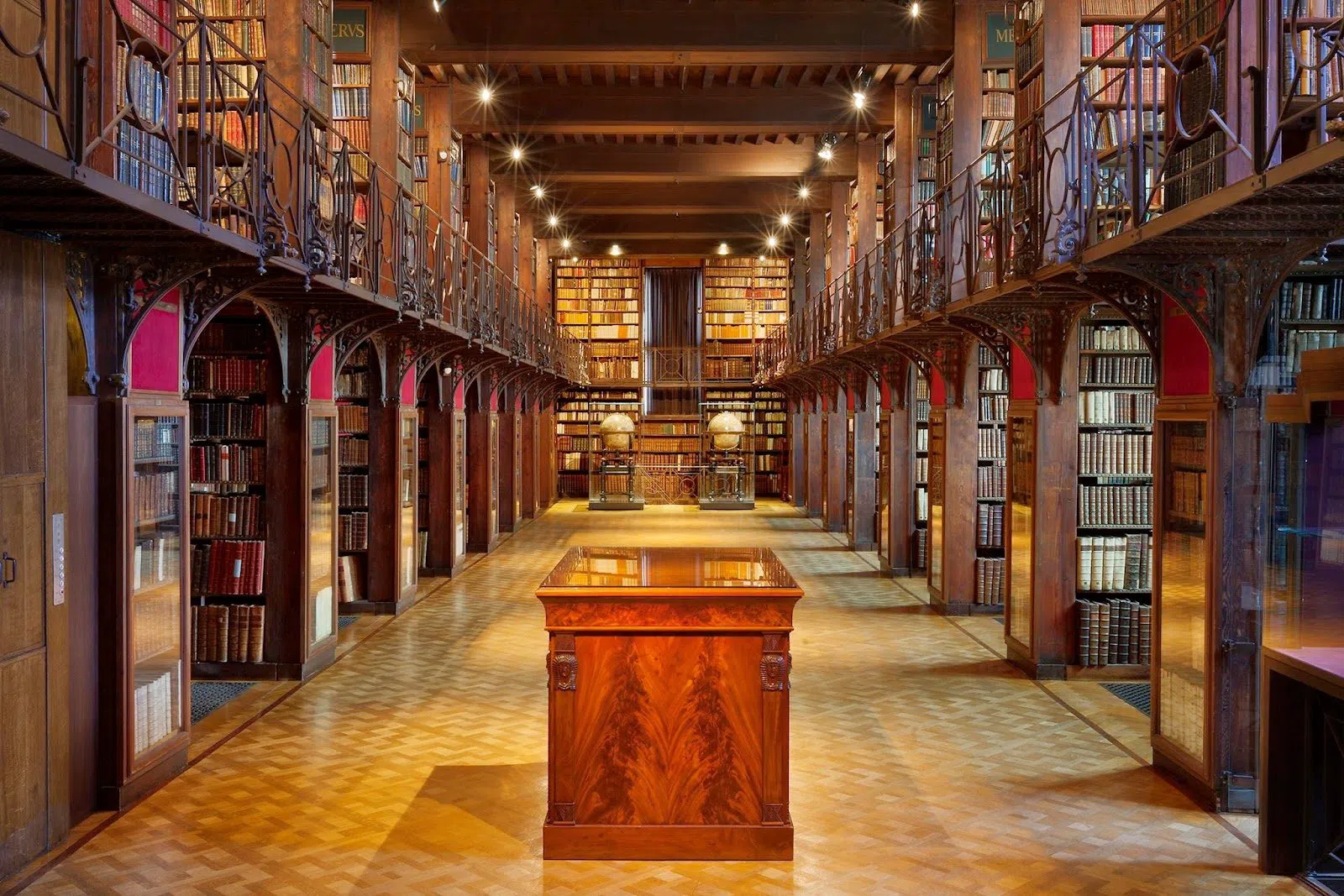
The best room in Antwerp is on the first floor of a heritage library on a small square behind the cathedral, and for most of the year you cannot simply walk into it. Almost nothing on this list is difficult because of crowds. It is difficult because of a closing Wednesday, a summer-only window, a volunteer rota of two afternoons a week, or a month-long shutdown between exhibitions. Get the doors right and a weekend of small museums here is more rewarding than a third hour in the big two.
Hendrik Conscienceplein first, because it needs planning
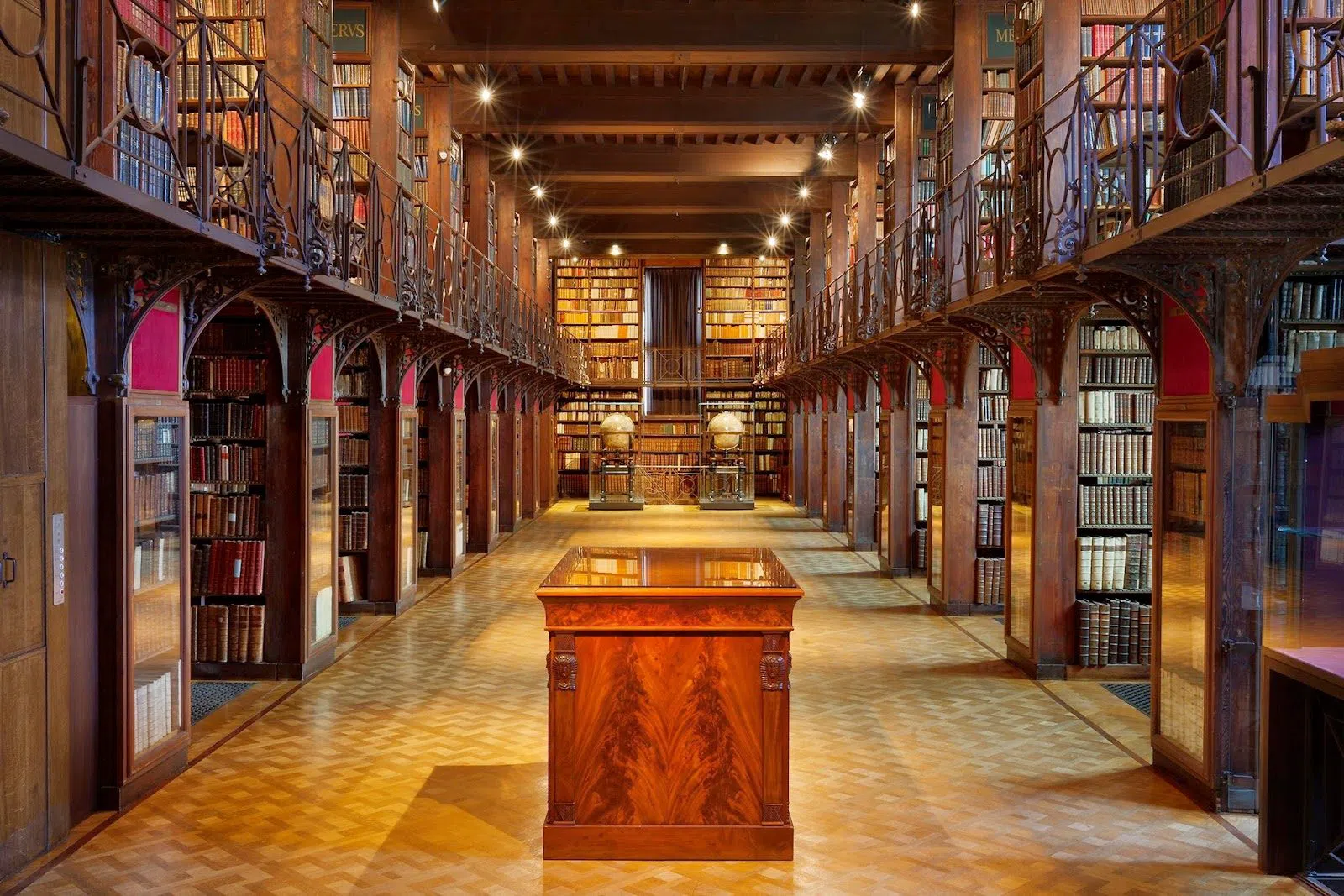
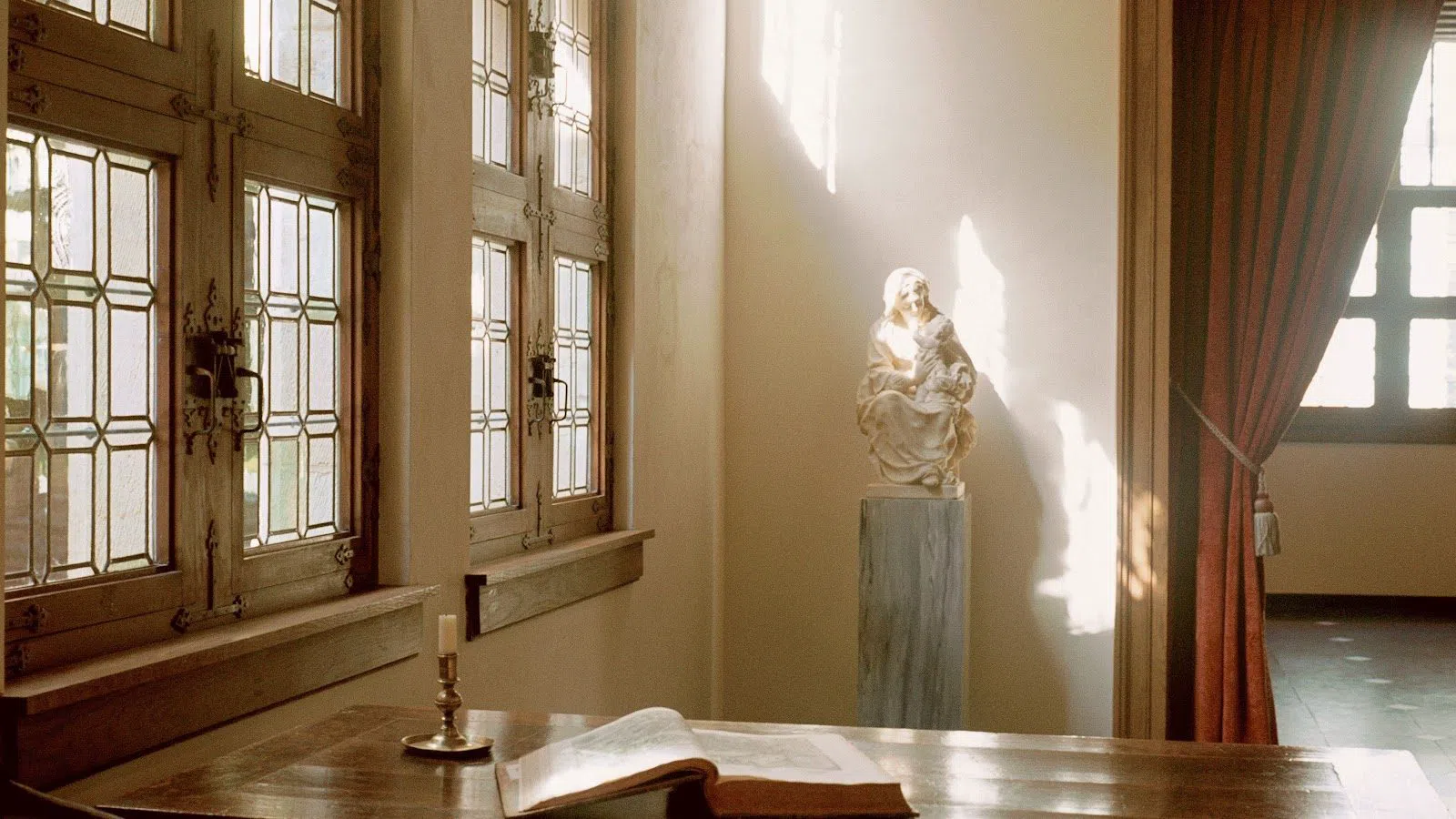
Nottebohmzaal (Erfgoedbibliotheek Hendrik Conscience, old centre) is a nineteenth-century book hall of galleries, ladders and packed spines, and its access rule is the whole story. Individual visits happen in one summer window only: in 2026 that ran 19 June to 30 August, Tuesday to Sunday, 12:00 to 17:00, last entry 16:30, for a low single-digit euro ticket. Outside that window you will stand at a locked door at Hendrik Conscienceplein 4 unless you have booked ahead. The behind-the-scenes guided tour runs year-round through [email protected] or +32 3 339 47 00 and is quoted per group when you book. So the hall is an awkward proposition for two people arriving in November and an easy one for anyone travelling with a dozen others: groups are the usual way in. If you are a couple and you want this room, either come in high summer or find a tour you can join.
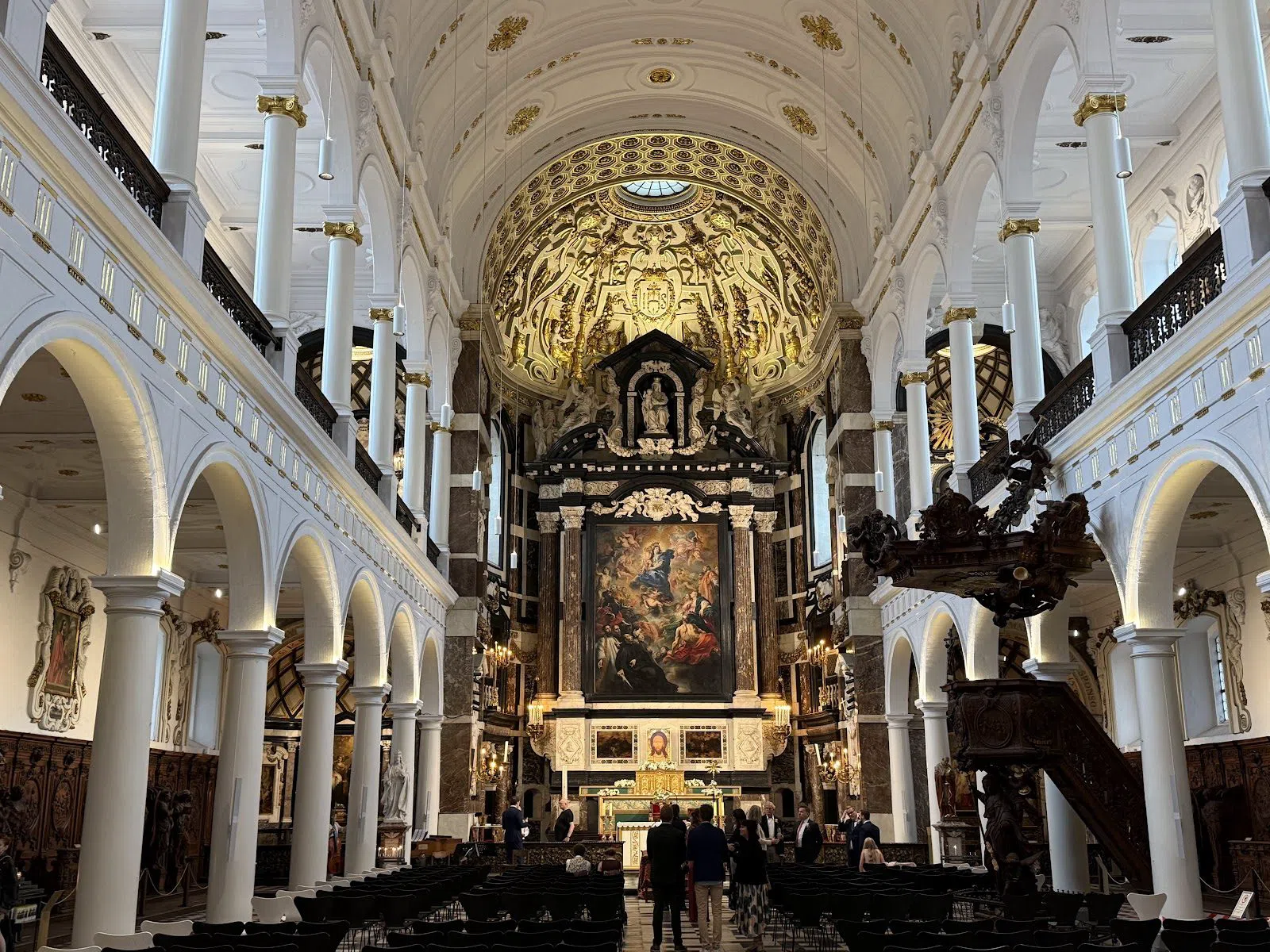
Do not cross the square without going into Sint-Carolus Borromeuskerk (old centre, the same square). Rubens had a hand in the design and the interior, so this is the most museum-like church in the city and deserves more than the five minutes you would give a stop between stops. Entry is €5, or €3 for students, over-60s and group members, free under 13, with a €3 audioguide that is worth the coins because the paintings are not labelled the way a gallery would label them. Groups of twenty or more pay €3 a head; a guided tour is €95 for the group, up to twenty people, available in several languages and capped at two hours. The €3 extra per person is the upsell to take: it opens the Mary Chapel, the sacristy, the crypts and the stairs down into the Ruien, the covered waterways beneath the street. Open Monday to Saturday, 10:00–12:30 and 14:00–17:00; Sunday is services only.
Plan your Antwerp trip
Live prices from our booking partners.
Free cancellation on many rooms. We may earn a commission when you book.
A collector's drawing room on Keizerstraat
Ten minutes east, Snijders&Rockoxhuis (old centre, Keizerstraat) is two adjoining houses, the mayor's and the animal painter's next door, hung as a 1620s collection rather than a modern display. Pictures sit frame-to-frame above cabinets and tables, the way a merchant with money and taste would actually have lived with them, and the rooms are small enough that you read the house as well as the art. Tickets are €10, €6 for ages 19 to 25, free under 18, and entry is free every first Tuesday of the month, which is the single most useful date in this article if you are counting euros. Book a timeslot online; guided visits and curator walk-arounds are offered on request. From October 2026 to January 2027 the house shows Catharina van Hemessen, a sixteenth-century painter you are unlikely to have seen a room of anywhere else. It suits couples and solo visitors best. A large group fills these floors fast.
Antwerp's paper memory, open when nothing else is
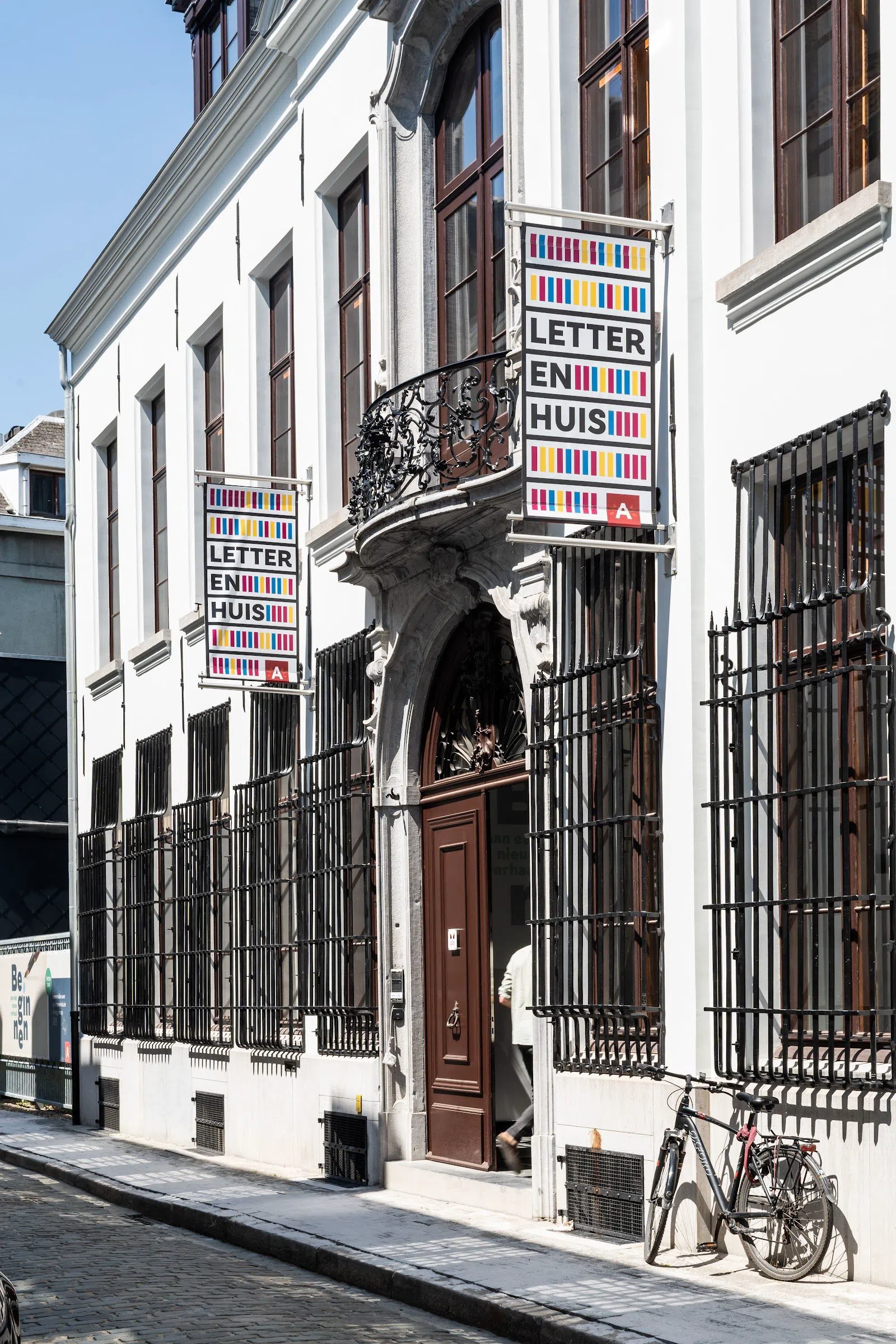
Letterenhuis (old centre) is Flanders' literary archive made physical: manuscripts, letters, corrected proofs, the working mess behind finished books. It is honest to say who this is not for. A first-timer with one day and a list of highlights will find it dry. For anyone who likes paper, handwriting and provenance it is a quiet hour well spent, and it has the most unusual schedule in the city: Monday to Friday, 10:00–18:00, shut at the weekend. That makes it one of the very few Antwerp museums you can visit on a Monday, and one you cannot visit on a Saturday. Entry is single-digit euros, €3 for ages 12 to 26, €5 a head for groups of twelve or more, free for A-card holders. The reading room is by appointment, Tuesday to Friday, if you want to handle something specific rather than look at cases.
Mayer van den Bergh has moved, and the address matters
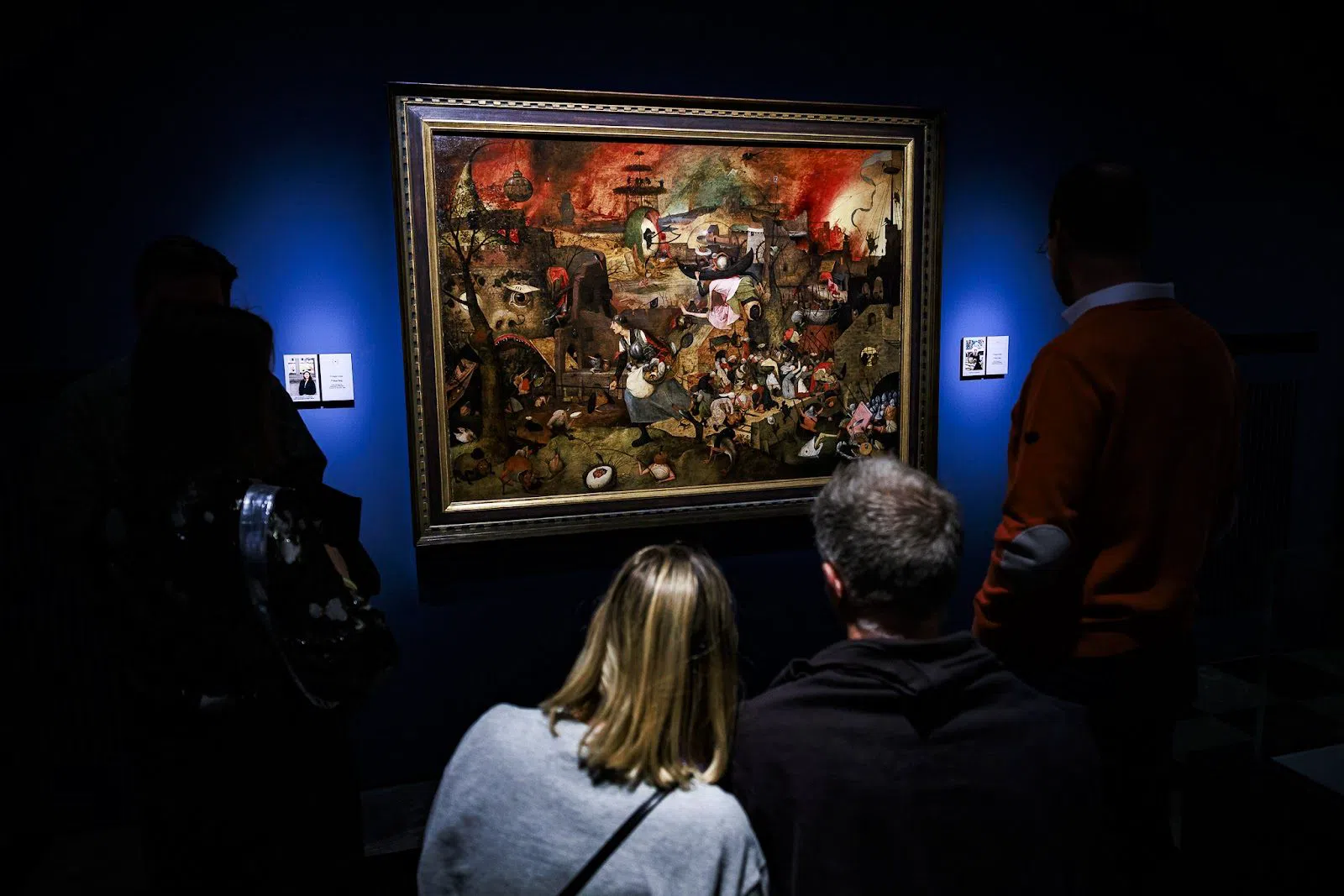
This is the one visitors get wrong. The original Museum Mayer van den Bergh (old centre) building closed in April 2025 and stays shut until roughly 2030, so turning up at the old door achieves nothing. The collection, Bruegel's Dulle Griet included, now hangs in the 'Beloved' exhibition at the Maagdenhuis, a hundred metres away. Tickets are €10 for 26 and over, €6 for ages 18 to 25 and for groups of twelve or more, free under 18. Two practical points for organisers: every visitor needs their own ticket even on a guided tour, and unguided groups have to pre-register, because the temporary space is considerably smaller than the house it replaced. Go early or late in the day if you want time in front of the Bruegel without someone's shoulder in the frame.
Nationalestraat and the Antwerp Six at forty
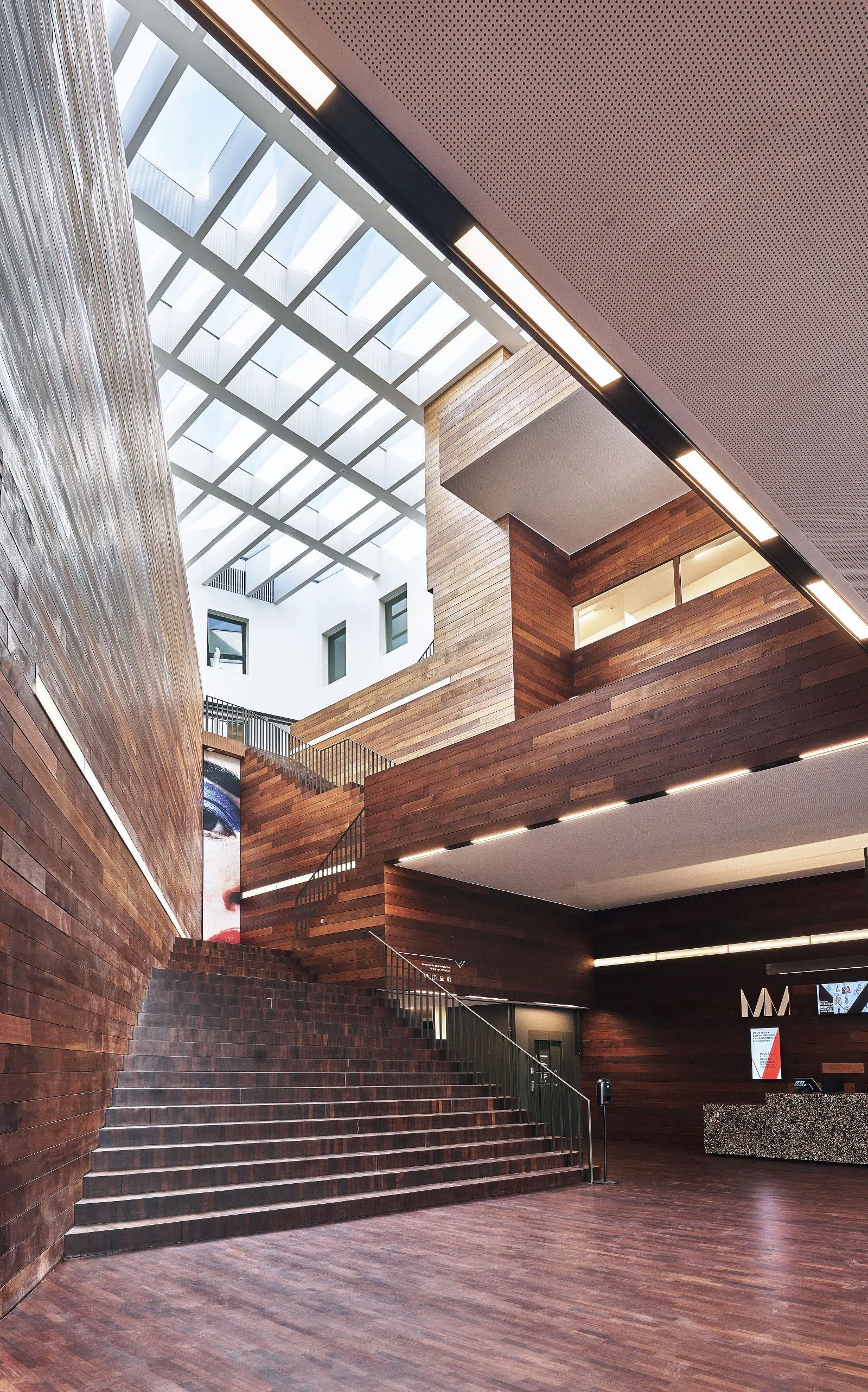
Walk south-west to MoMu (fashion district, Nationalestraat), where the Antwerp Six finally makes sense as design history rather than a slogan on a tote bag. The fortieth-anniversary Antwerp Six exhibition runs until 17 January 2027, with 'LOOKS, LOOKS, LOOKS' alongside it until 8 November 2026. Entry is €13, €9 for ages 18 to 25, free under 18, with a reduced rate for more than twelve paying visitors and free entry for school groups; guided and unguided group visits can both be booked. Hours are Tuesday to Sunday, 10:00–18:00, and late until 22:00 on Thursdays. The Thursday evening is the good slot, half-empty and unhurried, and it pairs with dinner in the streets immediately around it.
Diamonds told as craft on Suikerrui
DIVA (old centre, Suikerrui 17-19) merges the former Silver Museum and Diamond Museum collections and, to its credit, tells the diamond story as craft and trade rather than sales patter: cutting, setting, silversmithing, the workshop instead of the shop window. Around €12 for an adult. The one thing to write in your notes is the closing day: open daily 10:00–18:00 except Wednesdays, with last admission at 17:00. Groups are properly catered for, with a dedicated section under Plan your visit and guided tours bookable through visit.divaantwerp.be. Allow an hour and a half. It is a short walk from the cathedral square, which makes it the easiest of these to slot into a half-day.
Two quayside collections hardly anyone opens
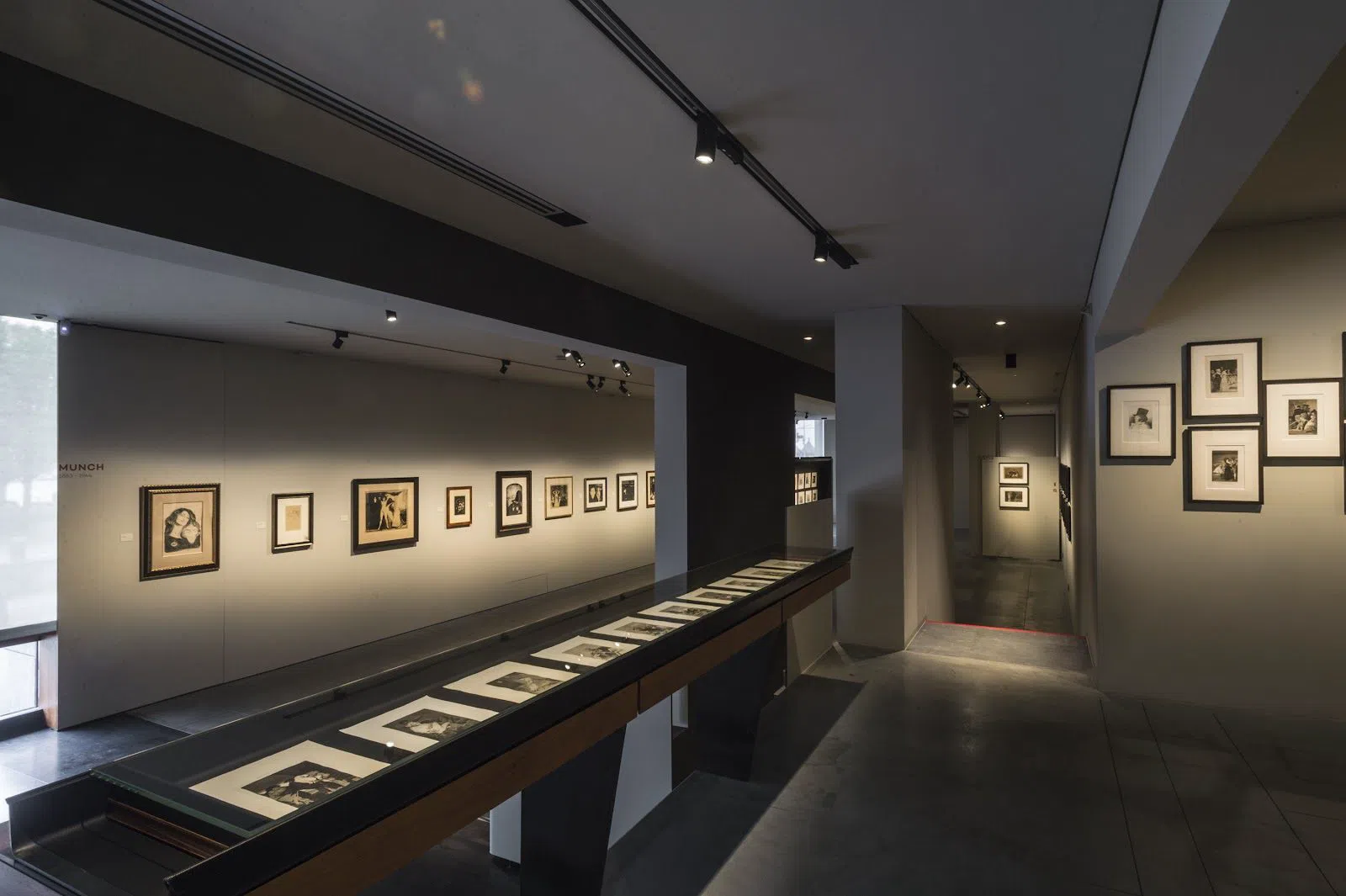
On the river, Museum De Reede (riverside quay) is the least crowd-pleasing museum in Antwerp and much the better for it: a private collection on three pillars, 140 Goya etchings, 37 works by Félicien Rops and 32 Munch lithographs. It is adult in subject and in tone, so while under-13s enter free with an adult, this is not a children's afternoon. Entry is €15, with €5 and €3 concessions. Check the day twice before you go: it is closed Tuesday and Wednesday, and the published schedules disagree about Thursday, so email first. Guided groups pay €10 per person including entry through [email protected], and they will open outside normal hours for a group, a real advantage for a private party.
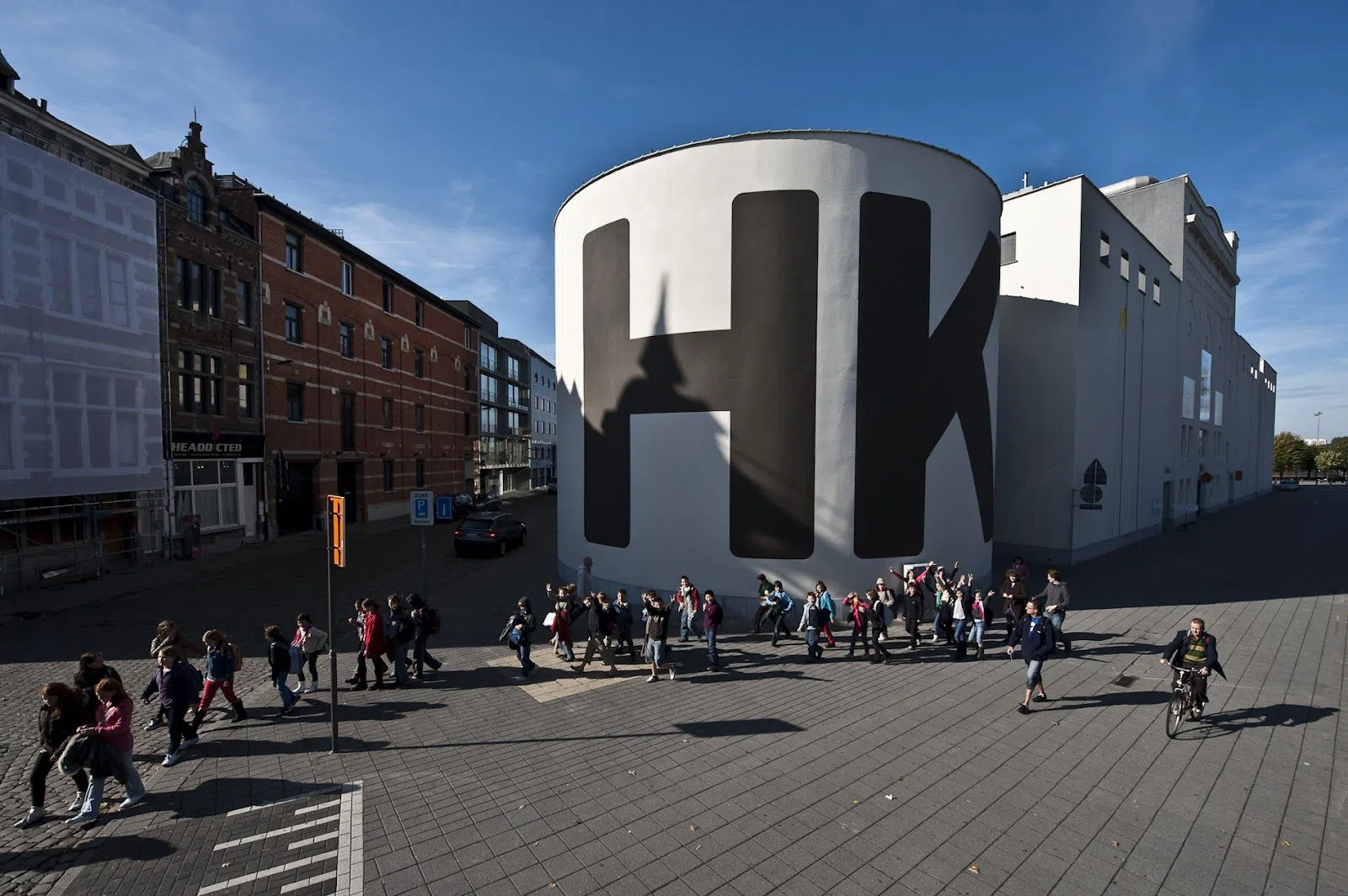
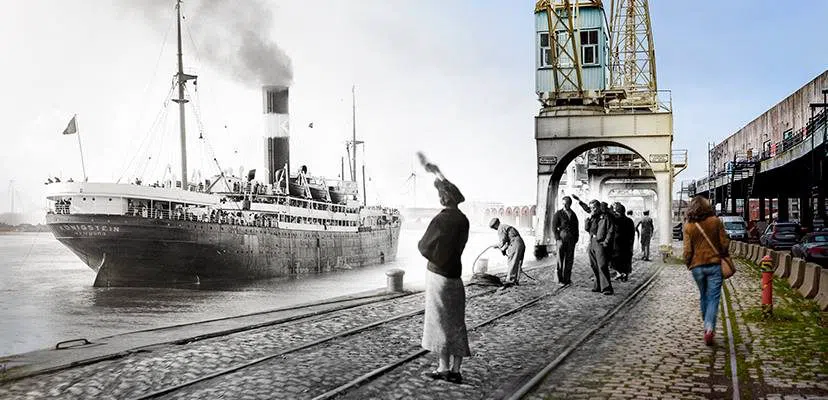
A few doors along, Museum Eugeen Van Mieghem (riverside, in Het Redershuis) holds roughly 200 works by the artist who drew the emigrants queuing on these quays for the boats. At €4 a head it is the cheapest ticket here, and the catch is equally plain: it is volunteer-run and open only on Sundays and Mondays, 14:00–17:00, closed on public holidays and shut for the whole of July and August. Phone ahead. Groups, and anyone who wants to see Het Redershuis itself rather than just the pictures, must come with a guide arranged directly by phone or email.
Het Zuid in a single afternoon
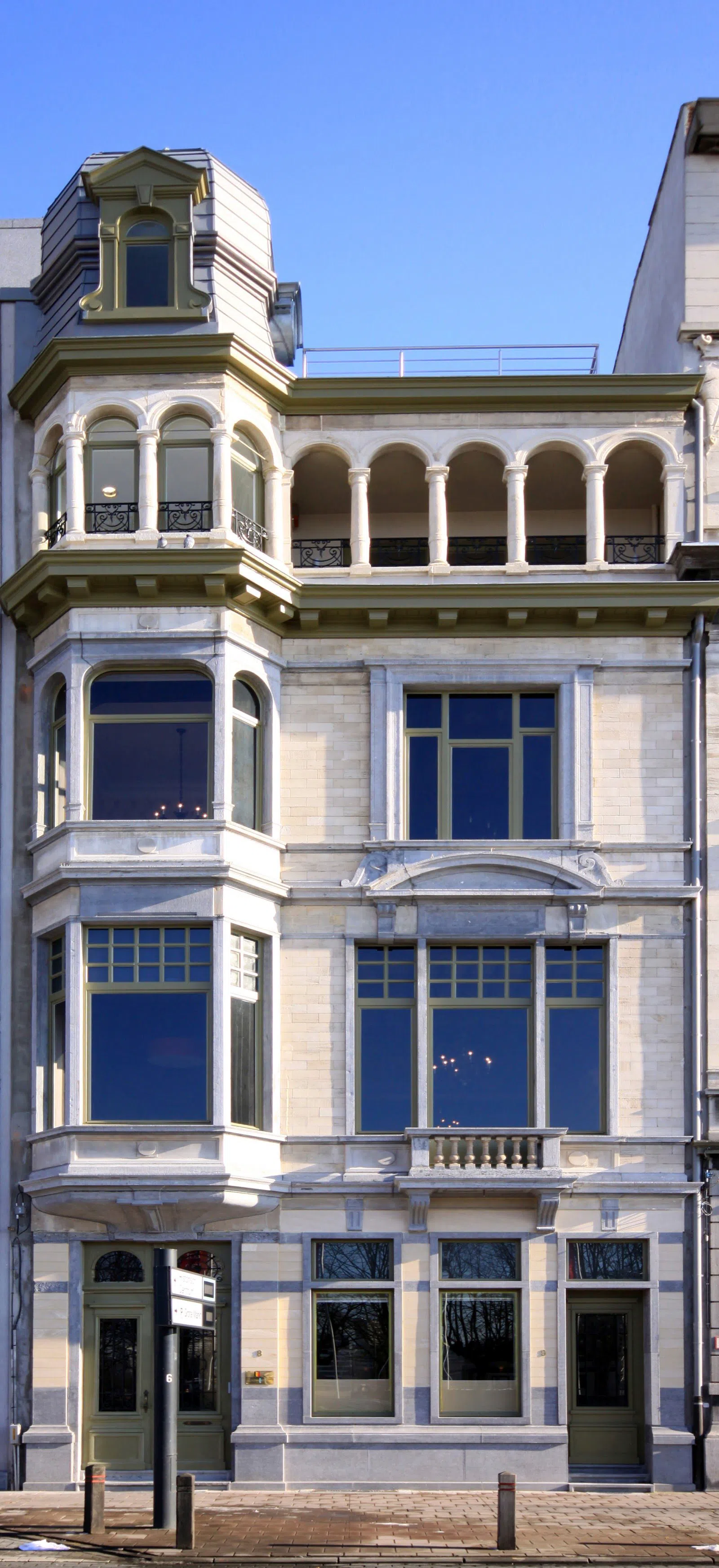
South of the centre, two museums sit close enough to do back to back. FOMU (Het Zuid) runs three or four changing exhibitions at once over a deep historical camera collection, so it is a museum you return to rather than tick: €12 adult, €5 under 26, free under 18, €8 a head for groups of twelve or more. From 18 September 2026 it opens shows by Graciela Iturbide, Léonard Pongo and Lola Pertsowsky.
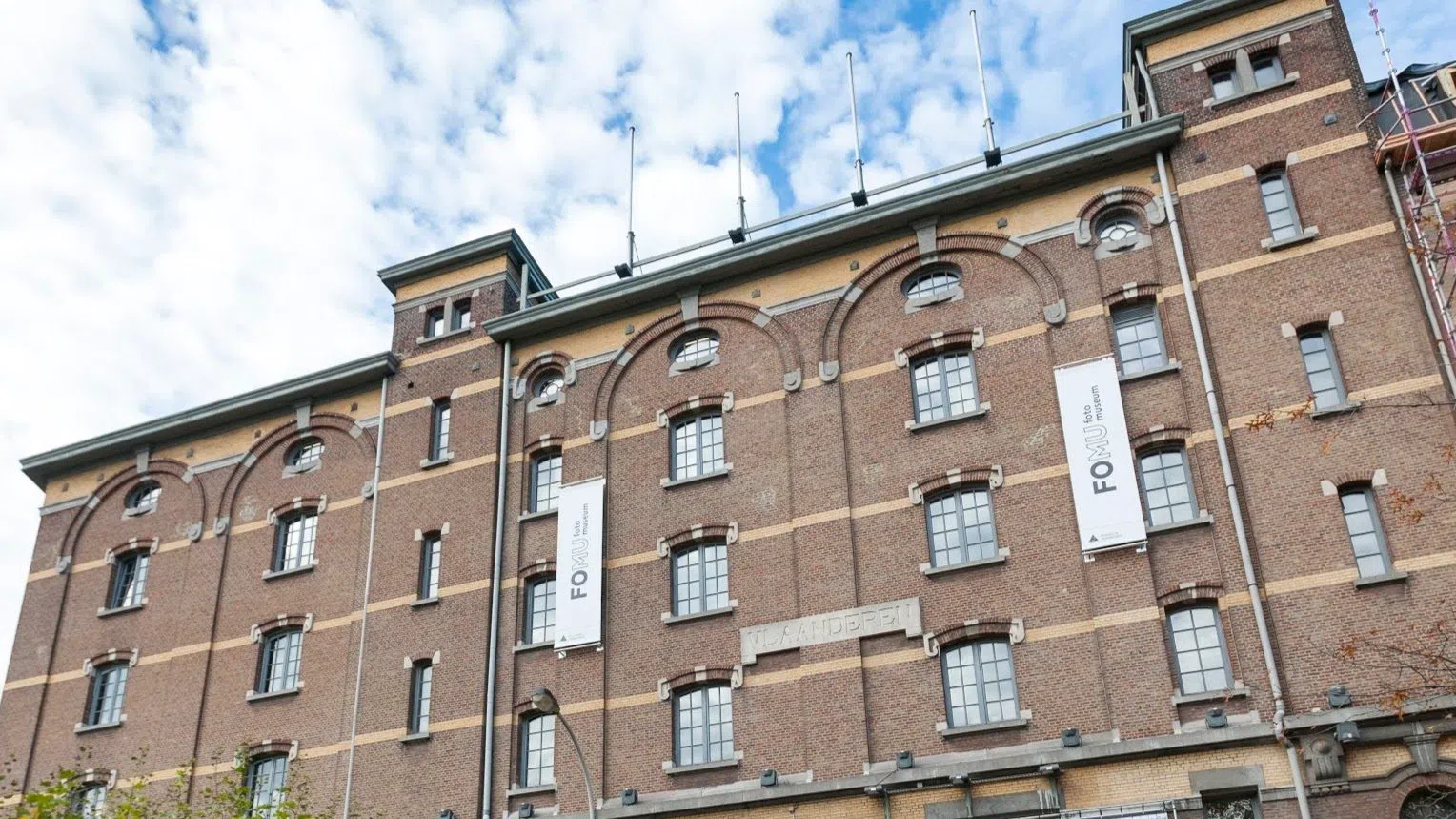
M HKA (Het Zuid) is the walk-in of the group. Individuals need no reservation at all, which is worth knowing on a wet afternoon when you have not planned anything. A mid-range ticket of around €12, open Tuesday to Sunday 11:00–18:00, and until 21:00 on the last Thursday of the month for the nocturne, comfortably the easiest evening culture slot in the city. The 2026 programme includes Nicola L. and Lee Bul. Groups have their own page and bookable guided tours.
The sheds on the Eilandje
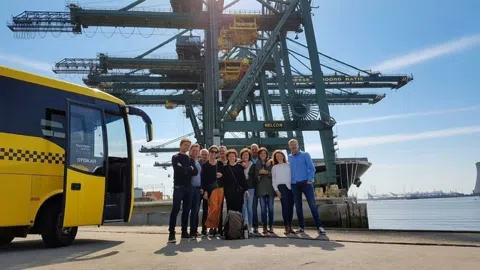
Red Star Line Museum (Eilandje) occupies the buildings where two million people were checked, washed and shipped across the Atlantic. It works because it refuses statistics and tells the story through individual case files: a name, a medical inspection, a letter, an outcome. Entry is €10, or €12 when a temporary exhibition is running, with €6–€8 reduced rates and a reduced rate for groups of twelve or more; larger parties and school groups are arranged by email at [email protected], with school groups free when accompanied by teachers. Open Tuesday to Sunday, 10:00–17:00. Tickets are online only and the site is entirely cashless, so buy before you walk north. Allow ninety minutes, and see it the same weekend as the Van Mieghem collection if the days line up: the drawings and the sheds are the same story from two ends.
Two worth leaving the centre for
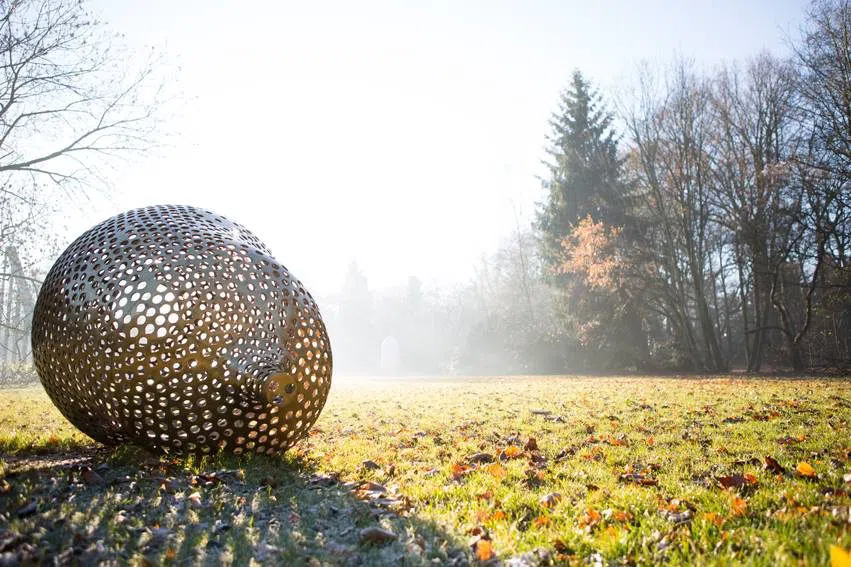
Middelheimmuseum (Middelheim park, south of the ring) is free, large and entirely outdoors, sculpture in parkland you walk through rather than past. Being outdoors is the one real risk, since there is no shelter strategy here, so keep it for a dry forecast. Hours move with the season: 10:00–17:00 from October to March, 10:00–19:00 in April and September, 10:00–20:00 from May to August. Closed Mondays, plus 1 January, 1 May and 25 December. Guided group tours run about ninety minutes and are capped at fifteen people per guide, so a party of thirty needs two guides booked through the museum.
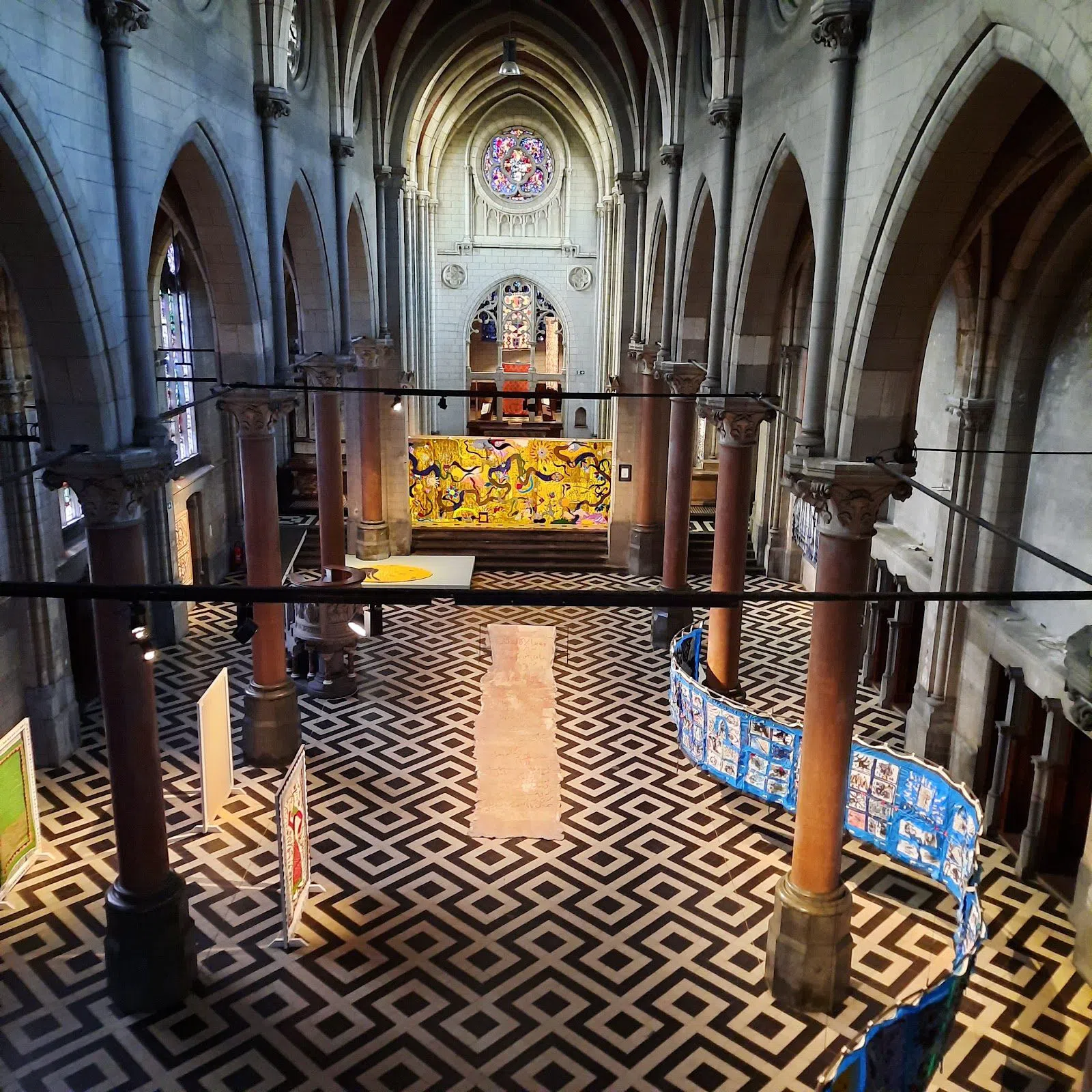
Kunsthal Extra City (Berchem) has no permanent collection. It programmes in blocks and goes dark between them: it closed from 17 August to 16 September 2026 and reopens on 17 September, with a Guillaume Bijl exhibition running 24 October to 27 December. Recent seasons have been free or pay-what-you-can, but confirm before travelling out. The building is accessible with ramps and ground-floor access, and group or school visits are arranged through [email protected]. Check the calendar first, every time; this is the one place on the list that can be shut for weeks with the lights off.
Practical notes
Stay in the old centre or Het Zuid and most of this is walkable: the cathedral square to Nationalestraat is ten minutes, Het Zuid twenty, and only Middelheim and Extra City really need a tram or a bike. An Antwerp hotel search across those two areas will save you more time than any transport pass; for wider planning, the Antwerp guide covers the rest of the city.
Cards work everywhere that matters, and the Red Star Line Museum is cashless with online-only tickets, so buy that one on your phone before you set out. Build the weekend around the closures rather than your mood: Monday is Letterenhuis and, outside July and August, Van Mieghem; Wednesday is the one day DIVA is shut; Tuesday and Wednesday rule out De Reede; Saturday and Sunday rule out Letterenhuis; Middelheim is closed Mondays. Thursday is the best evening in the city, with MoMu open to 22:00 and M HKA to 21:00 on the month's last Thursday.
Budget roughly €35 for a full-price day of three ticketed museums. A deliberately cheap day is easy: Middelheim free, Borromeuskerk €5 with the €3 audioguide, Van Mieghem €4 on a Sunday afternoon. Or time your visit for a first Tuesday and take Snijders&Rockoxhuis for nothing. Under-18s are free at most of these, and anyone aged 18 to 26 should ask for the reduced rate everywhere; it is rarely advertised at the desk.
Before you go
Can you visit the Nottebohmzaal without booking a group tour?
Only in the summer window. In 2026 individual visits ran 19 June to 30 August, Tuesday to Sunday, 12:00 to 17:00, with last entry at 16:30, for a low single-digit euro ticket. Outside that window the door at Hendrik Conscienceplein 4 is locked to walk-ins, and you get in only on a behind-the-scenes guided tour, booked year-round via [email protected] or +32 3 339 47 00 and quoted per group.
Which Antwerp museums are open on a Monday?
Letterenhuis is the reliable one: Monday to Friday, 10:00 to 18:00, closed at weekends. Museum Eugeen Van Mieghem opens Sundays and Mondays 14:00 to 17:00, but not on public holidays and not at all in July or August. DIVA is open daily except Wednesdays. Middelheimmuseum and most of the others are closed on Mondays.
Where is the Mayer van den Bergh collection now that the museum is closed?
In the 'Beloved' exhibition at the Maagdenhuis, about a hundred metres from the original building, which closed in April 2025 and stays shut until roughly 2030. Dulle Griet is there. Tickets are €10 for 26 and over, €6 for 18 to 25 and for groups of twelve or more, free under 18, and unguided groups must pre-register because the space is small.
Are any of these museums free?
Middelheimmuseum is free and open to walk into during its seasonal hours. Kunsthal Extra City has been free or pay-what-you-can in recent seasons, though it goes dark between exhibitions, so confirm first. Snijders&Rockoxhuis is free every first Tuesday of the month, and under-18s get in free at MoMu, FOMU, Snijders&Rockoxhuis and Mayer van den Bergh.
Which of these work for a group, and what do I have to book?
Nottebohmzaal is easiest as a group, since tours are the year-round way in. Sint-Carolus Borromeuskerk takes twenty or more at €3 a head, or €95 per guided group, and Museum De Reede opens outside normal hours for guided groups at €10 per person. Museum Eugeen Van Mieghem requires a guide for groups. Middelheim caps tours at fifteen people per guide, and unguided groups at Mayer van den Bergh must pre-register. Only at M HKA do individuals need no reservation.