The Antwerp issue
Antwerp With a Toddler Once the Zoo Is Done
The zoo gate is ninety seconds from the platform, but the rest of the day belongs to the free tunnel under the Scheldt, the one-euro boat and a dozen unfenced playgrounds.

By Tomás AlmeidaA city read one street at a time
The gate of the zoo stands ninety seconds from the platforms at Antwerpen-Centraal, close enough that a child asleep in a pushchair can be wheeled off a train and through the turnstile without waking. That is the most repeated fact about Antwerp with small children, and it is true. The harder question is what you do at two in the afternoon, when the animals have been seen, the nap has been had or missed, and there is still half a day of light sitting on the Scheldt.
Ninety seconds from the platform
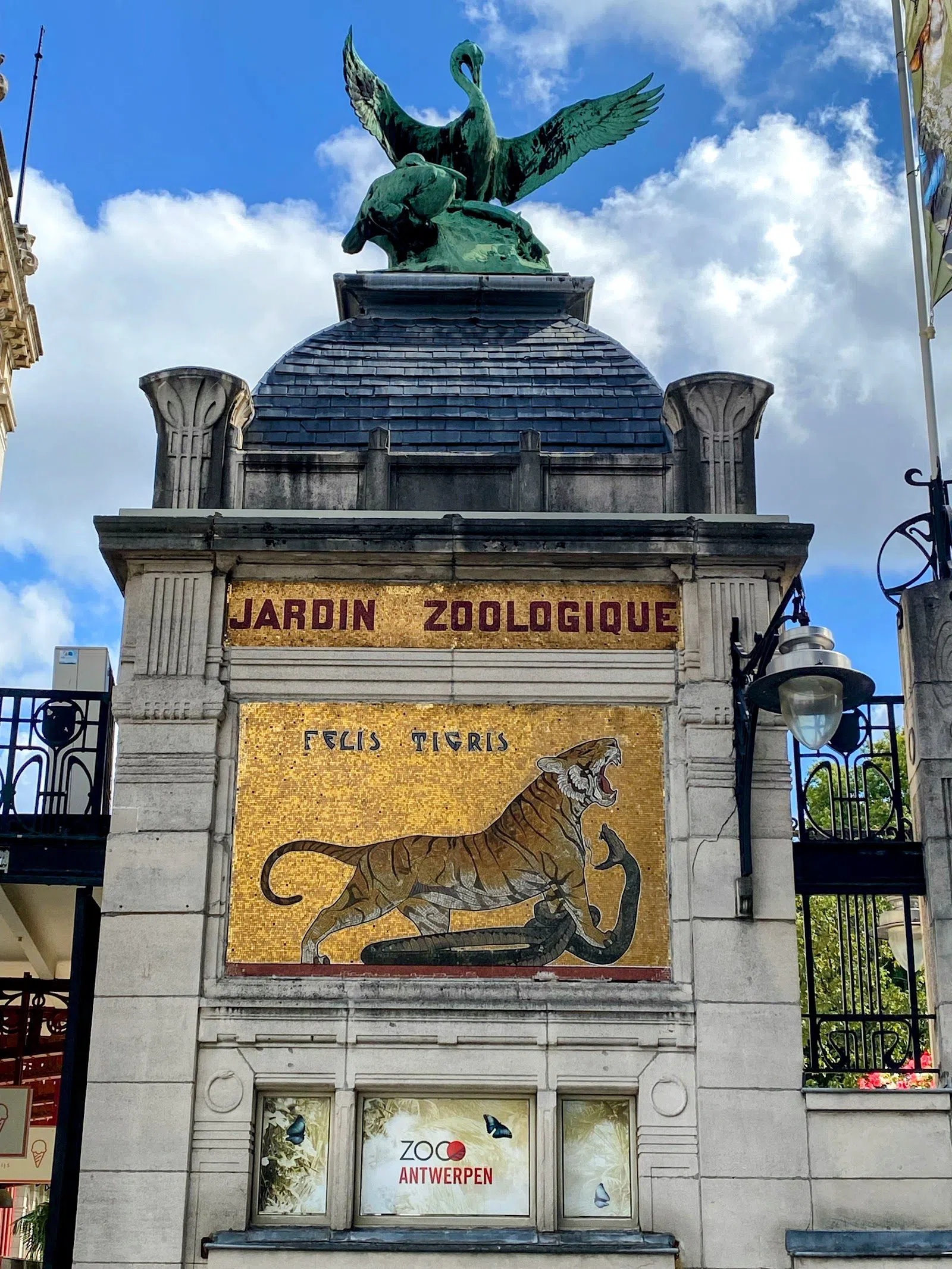
ZOO Antwerpen (Astridplein, immediately beside Centraal Station) opened in 1843 and has never moved, which is why it sits inside a city block rather than out on a ring road. The history is invisible to a two-year-old; the layout is not. Flat loops, wide paths, almost no stairs you cannot route around, and a good share of it under a roof, so a shower does not end the morning. Entry is €34.50 for an adult and €27.50 for a child aged three to eleven, with under-threes free. Booking online at least a day ahead takes €3 off the adult and €2 off the child, and the price moves with the date, so look before you assume. There is no door policy and no membership nonsense; anyone walks up. Groups of fifteen or more paying visitors get a discount through the dedicated group-visits desk, and there are school packages behind the same door. A couple with one child simply queues like everyone else.
The useful trick here is the exit rather than the entrance. Arrive at opening, take the morning at toddler speed rather than trying to see everything, and when the child folds (and the child will fold) you are ninety seconds from a train, a taxi rank and a hotel bed. Trying to stretch the zoo into a full day is the standard mistake. Three hours is a good visit. Four is a negotiation.
Plan your Antwerp trip
Live prices from our booking partners.
Free cancellation on many rooms. We may earn a commission when you book.
Downhill to the river
From Astridplein the city runs west and slightly downhill: De Keyserlei, then the Meir, then Groenplaats, and then you are on the quay. It is a flat twenty-five minutes with a pushchair, longer if there is a fountain on the way, and it ends at the water, which is where Antwerp becomes properly interesting for someone under four.
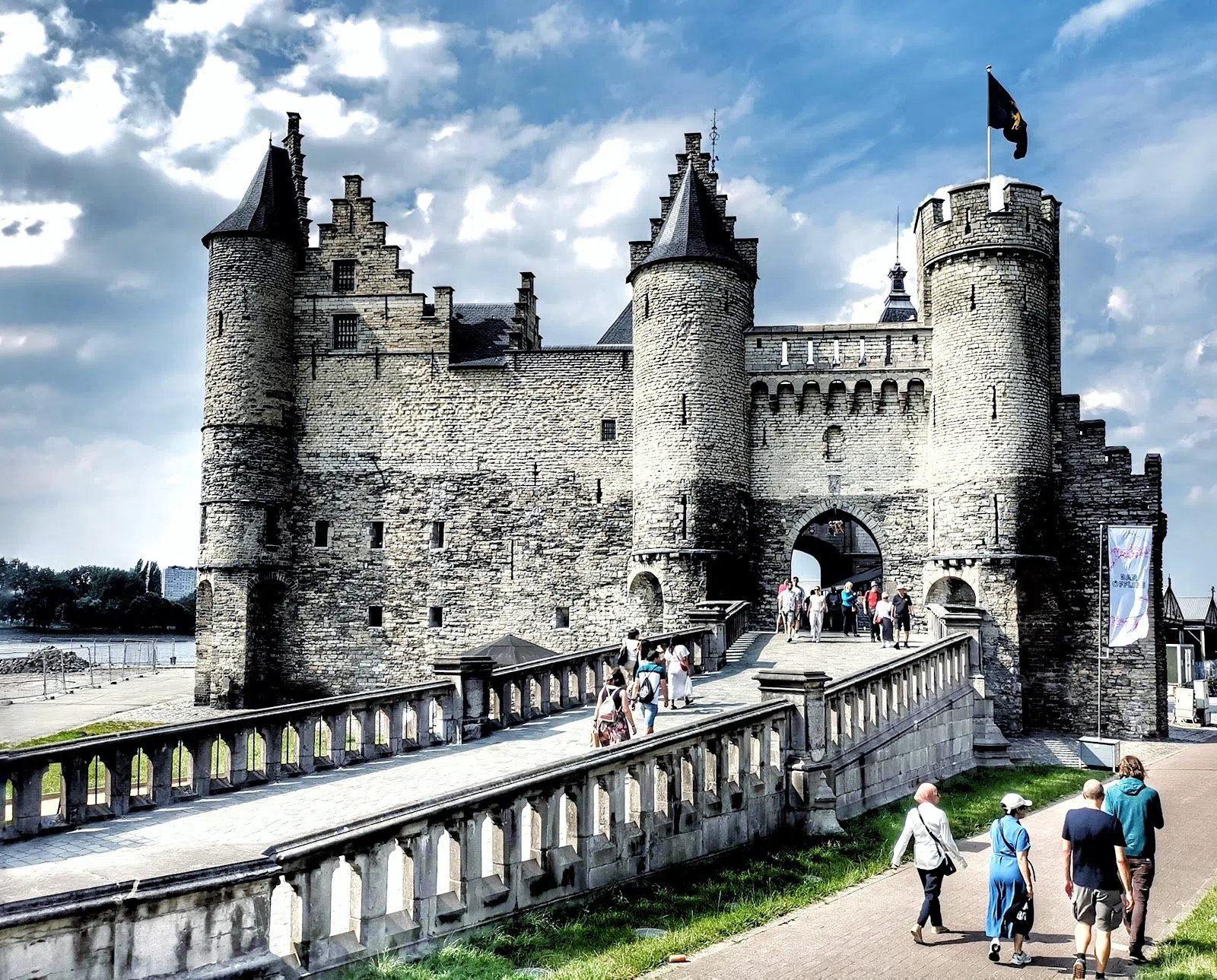
Het Steen (Steenplein, on the old-town waterfront) is the oldest building left standing in the city, a stone river gate that has been watching ships for something like eight centuries. What matters on the day is duller and better: the visitor centre and rooftop terrace are free, open 10:00 to 18:00, and closed only on 25 December and 1 January. There is a lift to the roof, warm toilets, and somewhere to leave a pushchair. Ten minutes up, a look at the river, ten minutes down. The ticketed Antwerp Story exhibition inside is a different proposition and needs booking; under-fives go free, but it is aimed over the heads of toddlers and you will not miss much by skipping it. Treat Het Steen as the most useful short stop on the waterfront rather than an attraction you owe an hour to.
Under the water, or across it
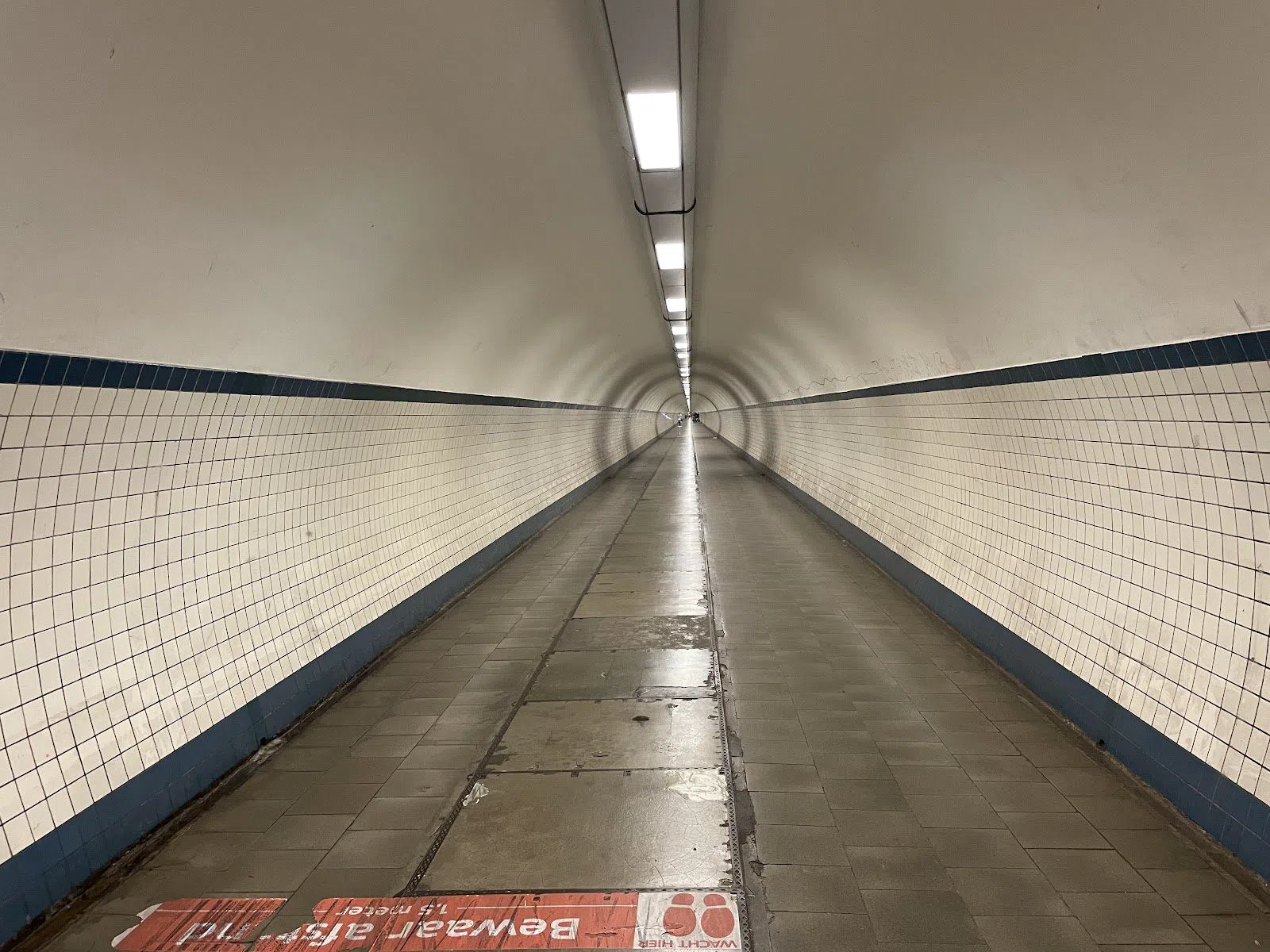
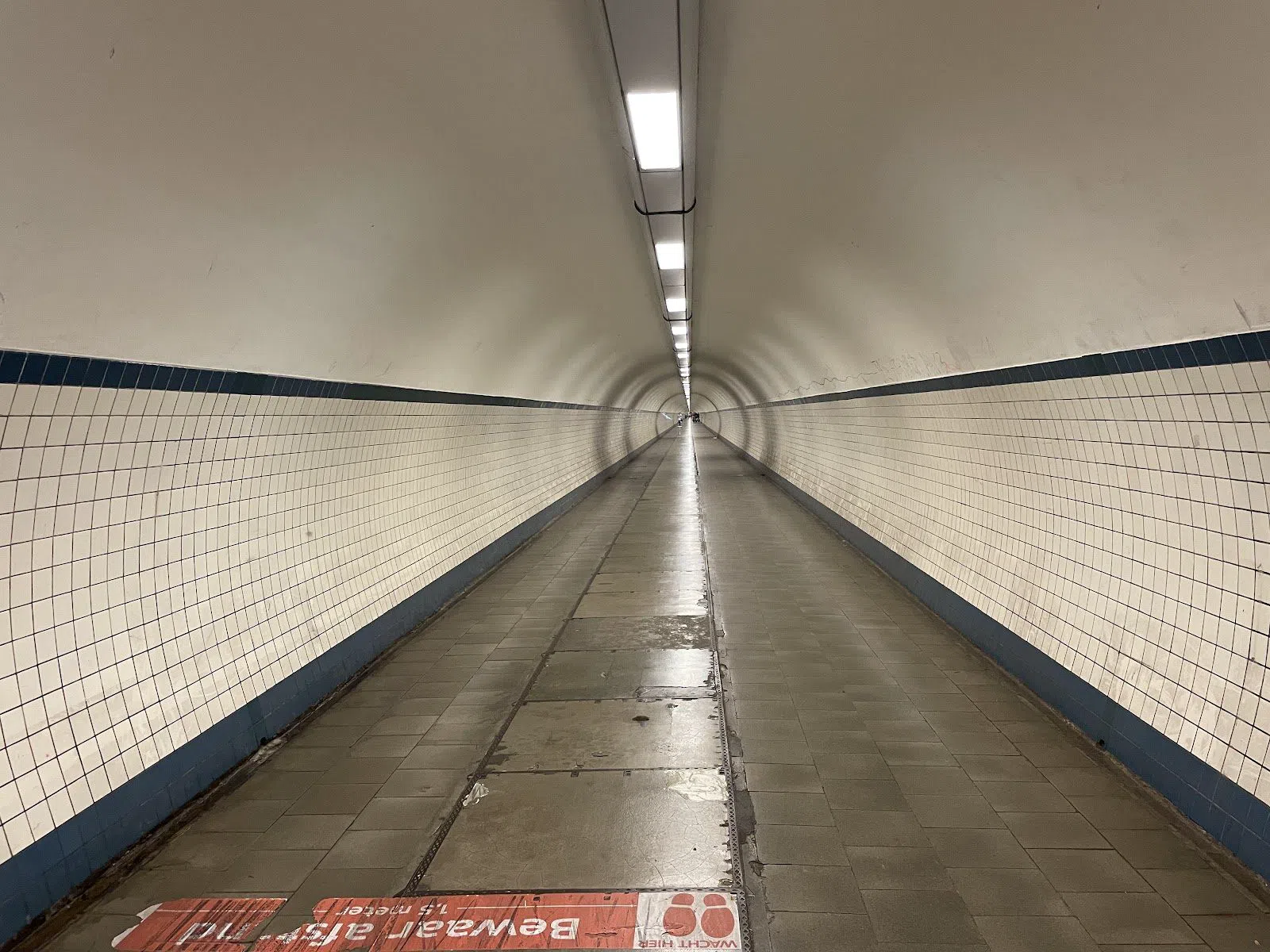
Five minutes south along the quay, at Sint-Jansvliet, a small brick building hides the Sint-Annatunnel (old town, under the Scheldt). It opened in 1933 and still has its original wooden escalators, which creak and clatter and are, unaccountably, more exciting to a small child than most things you will pay for. It is free public infrastructure, day and night, with no booking and no limits, so a lone parent, a couple or a convoy of six pushchairs all get the same deal. Both the lifts and the escalators are running; the escalators get serviced on Thursdays but stay usable. With a buggy, take the lift down and walk the tunnel. It is a straight, tiled, echoing few minutes under the river, and the echo is half the point.
This crossing matters more than it used to. The premetro tram tunnel under the Scheldt closed on 4 May 2026 for asbestos works and will not reopen before mid-March 2027, so there is no tram to the Left Bank at all. The pedestrian tunnel and the boat are the crossing now.
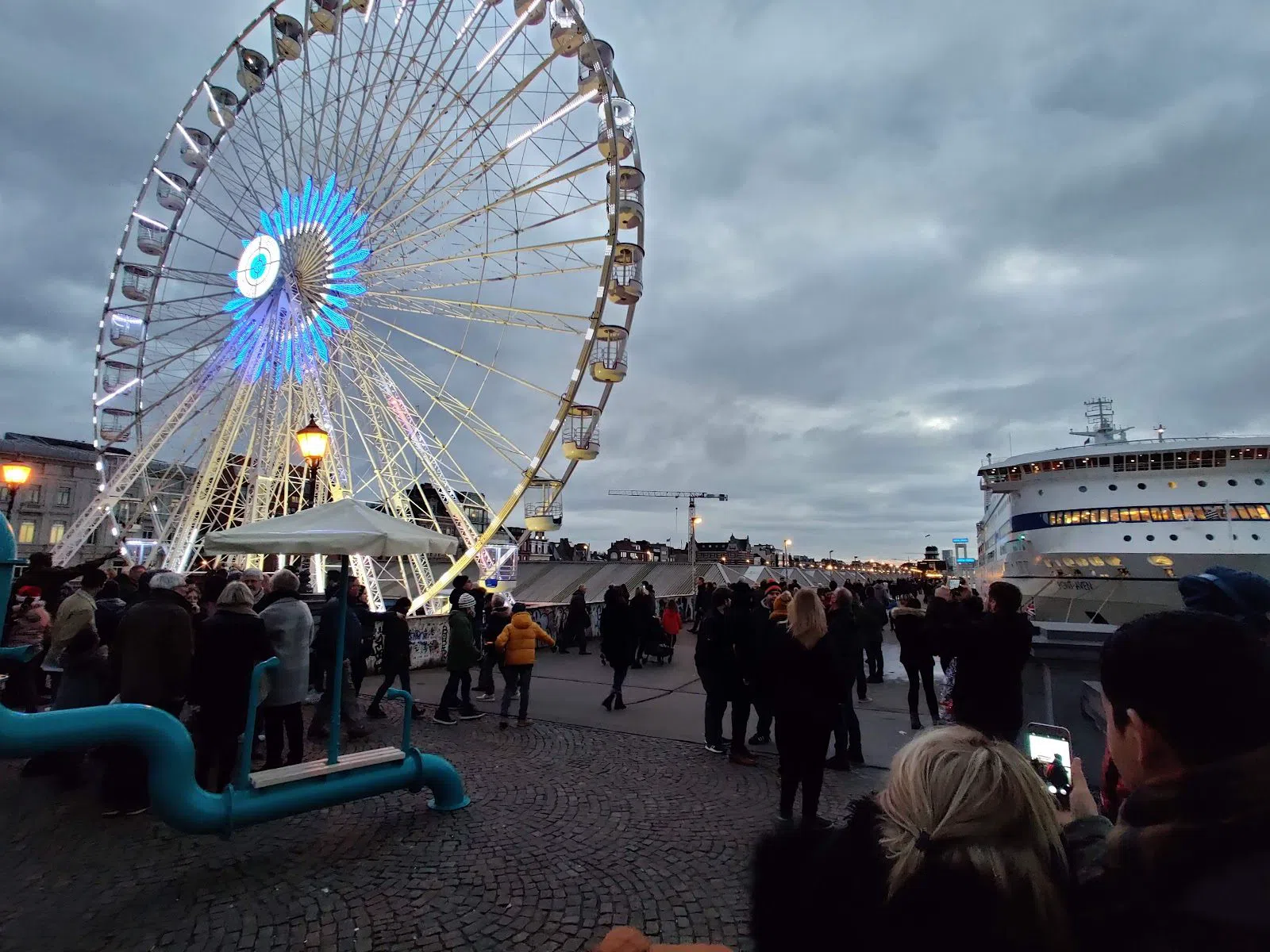
The boat is DeWaterbus (pontoon at Steenplein), and the city-zone hop across the Scheldt is the best-value ten minutes in Antwerp. It runs turn-up-and-go, roughly every half hour from 05:00 to 23:50, with no reservation, and it carries buggies and bikes without asking you to fold anything. The city crossing is €1 single or return; the longer south and north zones cost €4 single and €6 return. Children up to five travel free and bikes go free. You stand on deck, the skyline slides past, and nobody has to be lifted out of anything. If the tunnel is the cheap thrill, the boat is the one they remember.
Sand on the Left Bank
Straight ahead from the far end of the tunnel, twenty minutes' walk or a short bus ride, is Sint-Annastrand (Linkeroever), Sint-Anneke to everyone local. It has one of the largest playgrounds on that bank of the river sitting directly beside the sand, and the city topped the beach up with fresh sand for the 2026 season. It is free, unlimited, unbooked, and several cafés along the strand will absorb a family group without a reservation.
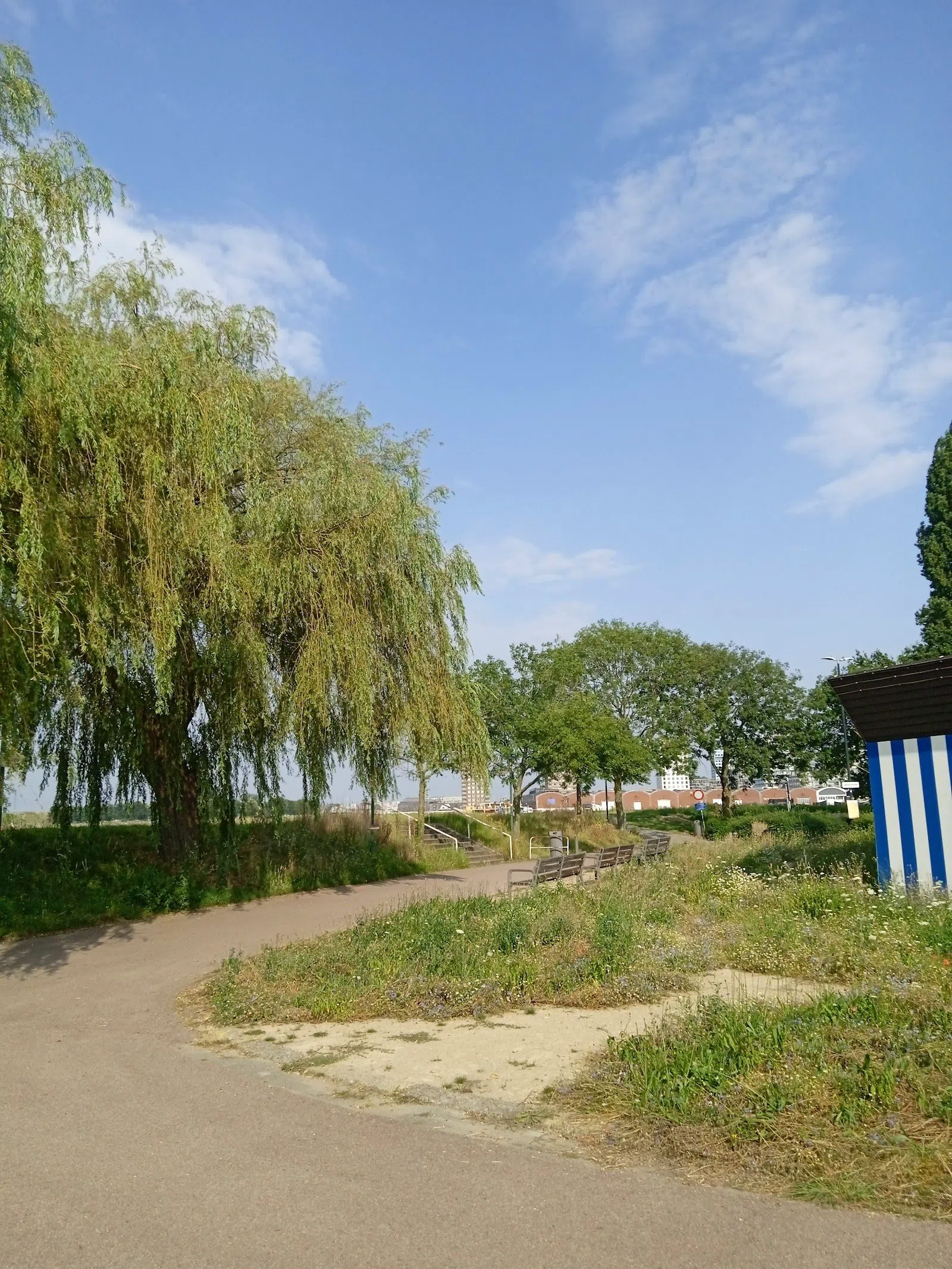
The sand and the playground are the reason to come, not the water; this is a working river with a container port at the end of it. What you get is a wide, windy, open space with the whole city standing across the water, which is a better view than most paid terraces in town. Bring a jumper even in July, because the Scheldt makes its own weather, and remember that the return leg is the tunnel or the waterbus, not a tram.
The docks and a free escalator
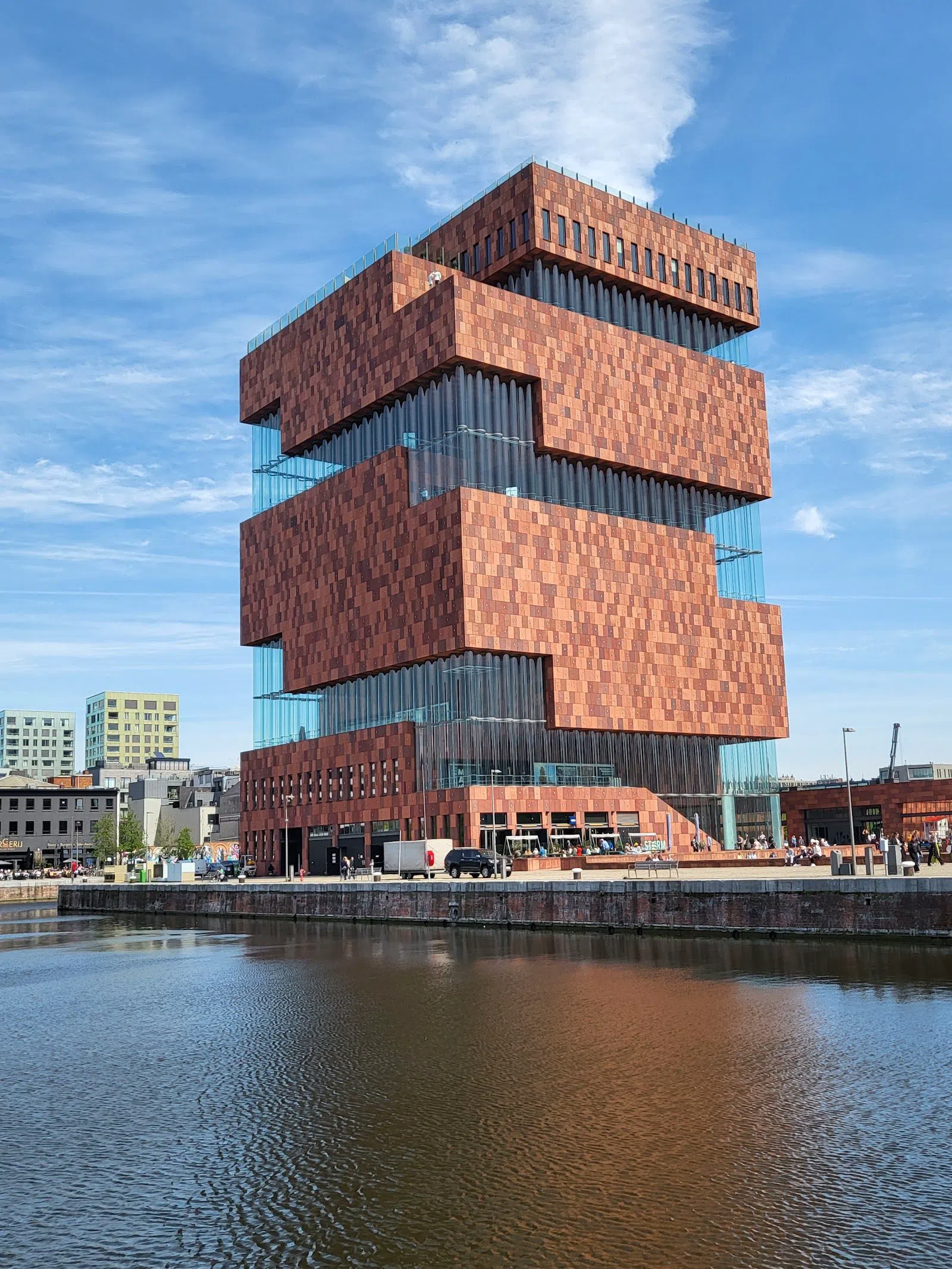
Back on the right bank, the quays run north into the Eilandje, the old dock district, in about twenty flat minutes. MAS | Museum aan de Stroom (Eilandje) is the red tower you have been walking towards, and for a toddler the building is the exhibit. A spiral of escalators climbs the outside of it, floor by glass floor, and riding them is free: no ticket, no queue, just a slow mechanical climb with the docks opening up beneath you. The boulevard and rooftop panorama are open 09:30 to 22:00, and until midnight from April to October. The ticketed exhibitions inside run Tuesday to Sunday, 10:00 to 17:00, with under-eighteens free and a proper desk for guided tours and group bookings. With a small child, the escalators and the roof are usually enough.
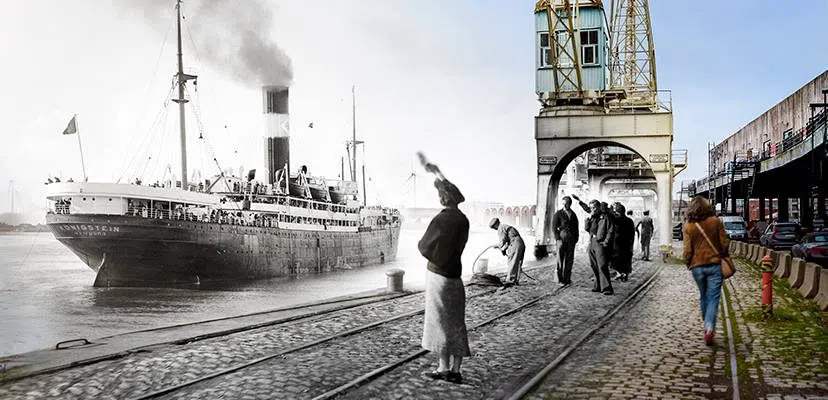
A short walk further along the quay is the Red Star Line Museum (Eilandje), housed in the sheds where emigrants were inspected before boarding ships across the Atlantic. It is the one indoor museum in this city that has genuinely built something for small children: the 'Gup the gull' trail is pitched at ages three to six, pushchairs come inside, and there is a designated place to leave them. Under-twelves are free and the adult ticket is modest. It opens Tuesday to Sunday, 10:00 to 17:00, and group and school visits are bookable in advance. Pair it with the MAS and a wet morning is solved.
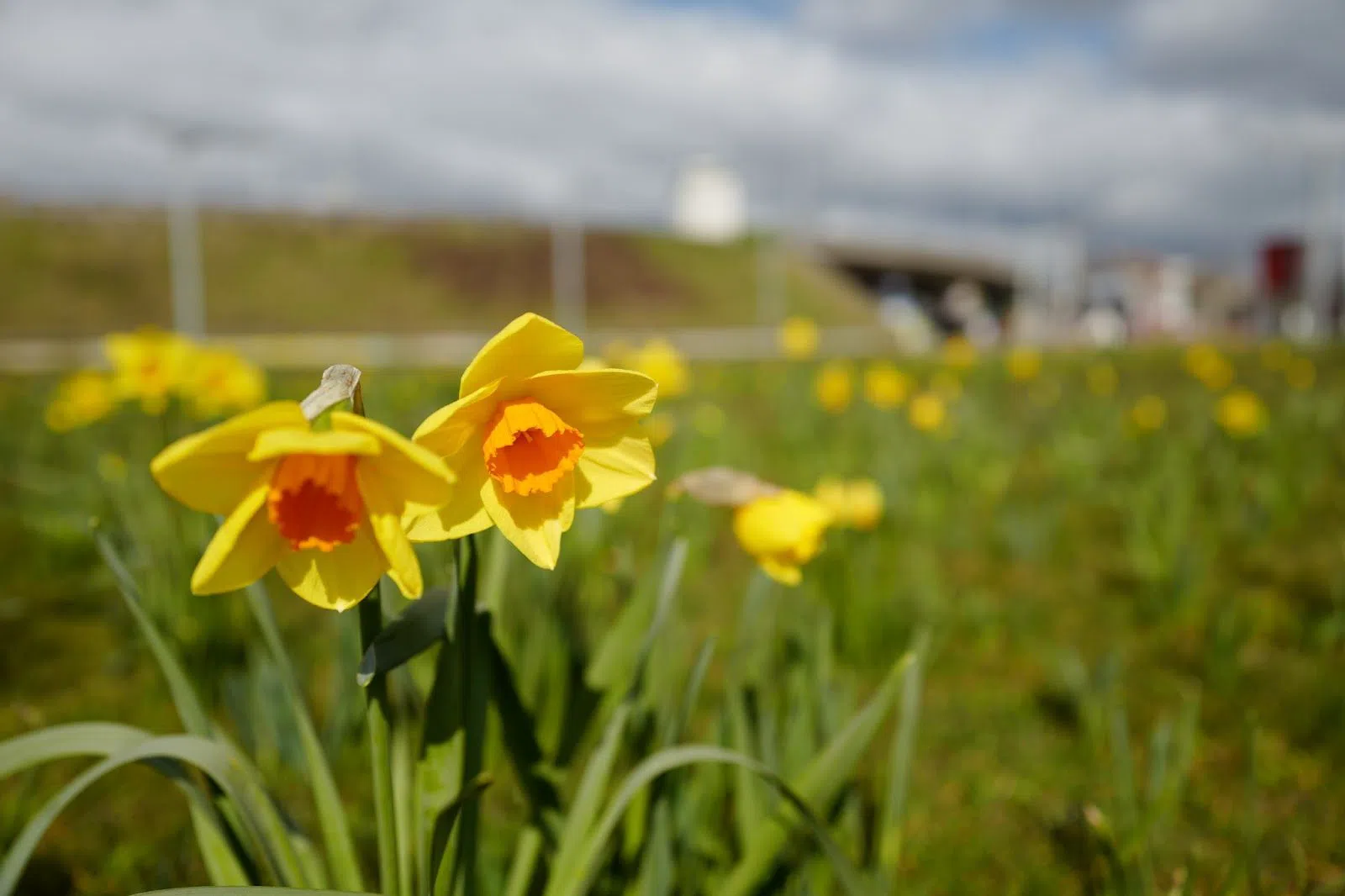
Ten minutes inland, between Dam and Stuivenberg, Park Spoor Noord (north of the centre) covers what used to be a railway marshalling yard. Three small playgrounds are pitched deliberately at the youngest children, and ground-jet fountains fire out of the paving daily from 11:00 to 20:00 in the warm months. It is free, there are no gates, and the summer bar and terraces along the water-play plaza will take a group without notice. An hour of toddler energy disappears here at no cost.
Green afternoons south of the centre
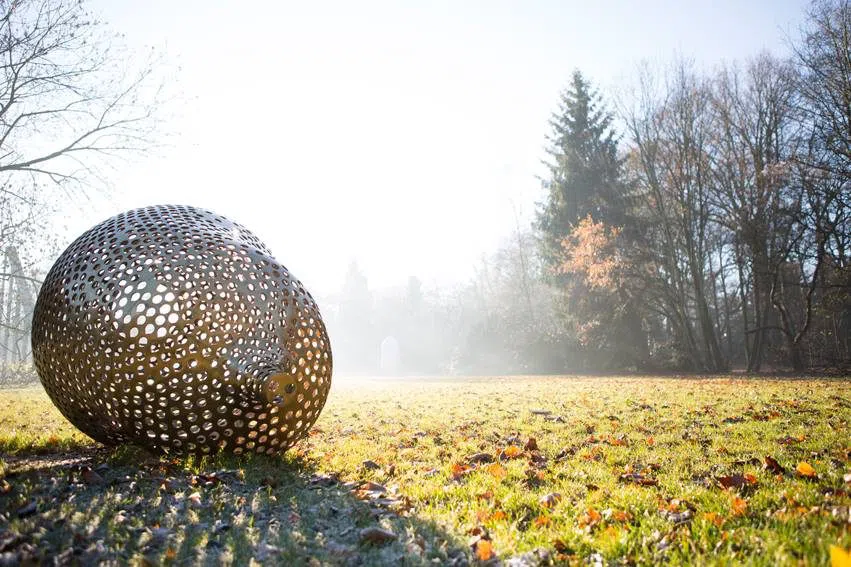
The south is where Antwerp keeps its parks, and it is the half of the city most short visits miss. Middelheimmuseum (Middelheim, south of the centre) is an open-air sculpture museum with no rooms, no ropes and no attendant asking a child to lower their voice: lawns, paths and Giacomettis standing in the grass. It is free and unticketed, groups included, and closed on Mondays, though it opens on Easter Monday and Whit Monday. Hours move with the season: 10:00 to 19:00 in September, 10:00 to 17:00 from October through March.
A few minutes away, De Melkerij (Nachtegalenpark, south) is a park café with a playground rebuilt specifically so that the smallest children can use it safely, and a terrace large enough that adults can sit down and stay sat down. On 2 September 2026 the district opened a 1.7km Multimovepad (a movement trail) that loops through the park past the playground, the play forest, the goats and the deer. The playground is free; you pay café prices for whatever you eat. Larger parties should ring ahead on 03 828 93 81 rather than arriving as a block of twelve on a Sunday.
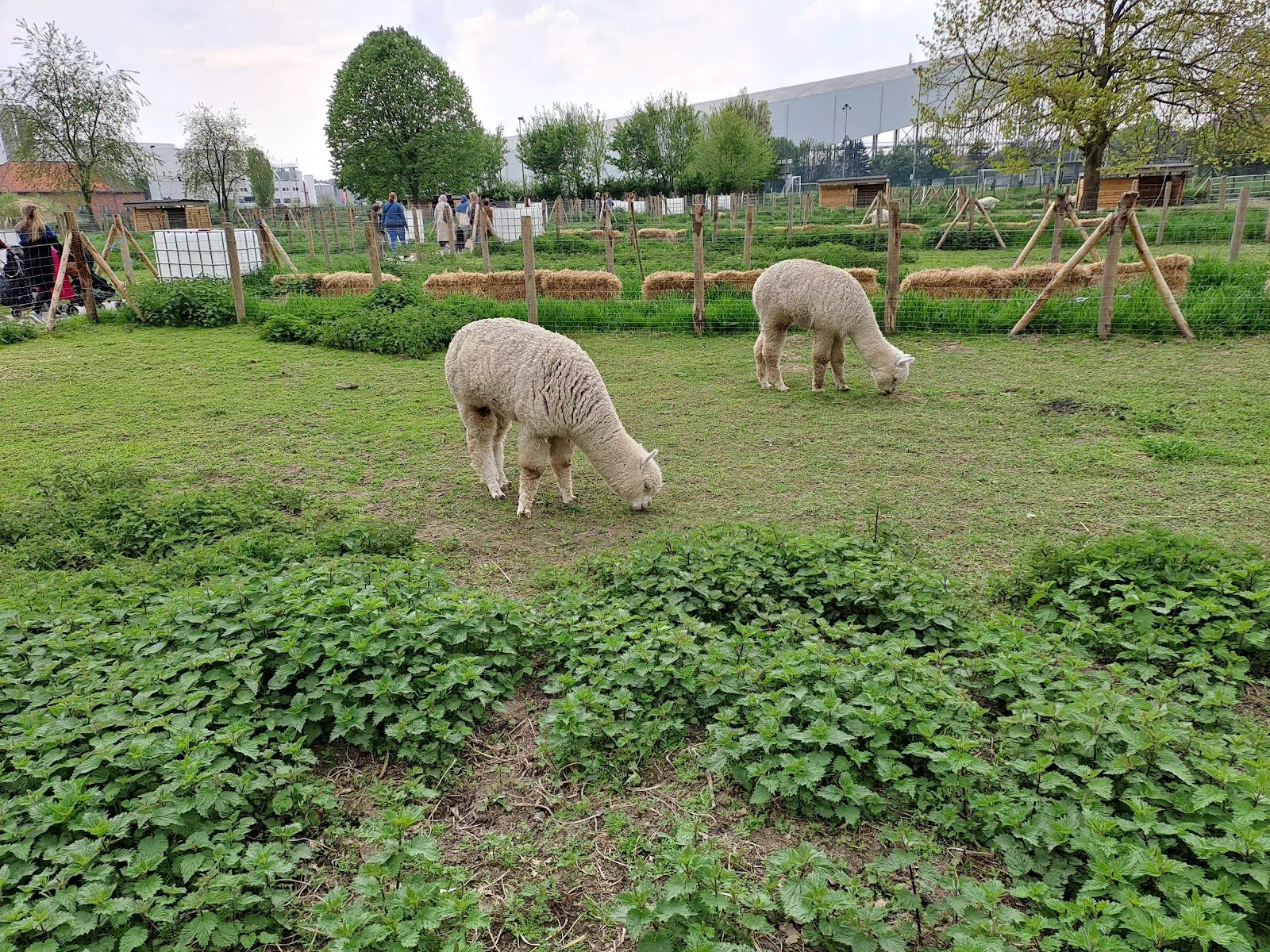
South again, Kinderboerderij Wilrijk (Wilrijk) is a free children's farm with alpacas standing at exactly pushchair height, a playground to follow and a terrace to end on. It opens Wednesday to Sunday, 10:00 to 18:00, in term time and Tuesday to Sunday in the school holidays, and it is closed on Mondays. Schools and groups are welcomed with ready-made educational packages on animal care, insects and where food comes from; book those, but a family just walks in.
East to Deurne for a farm and a pond
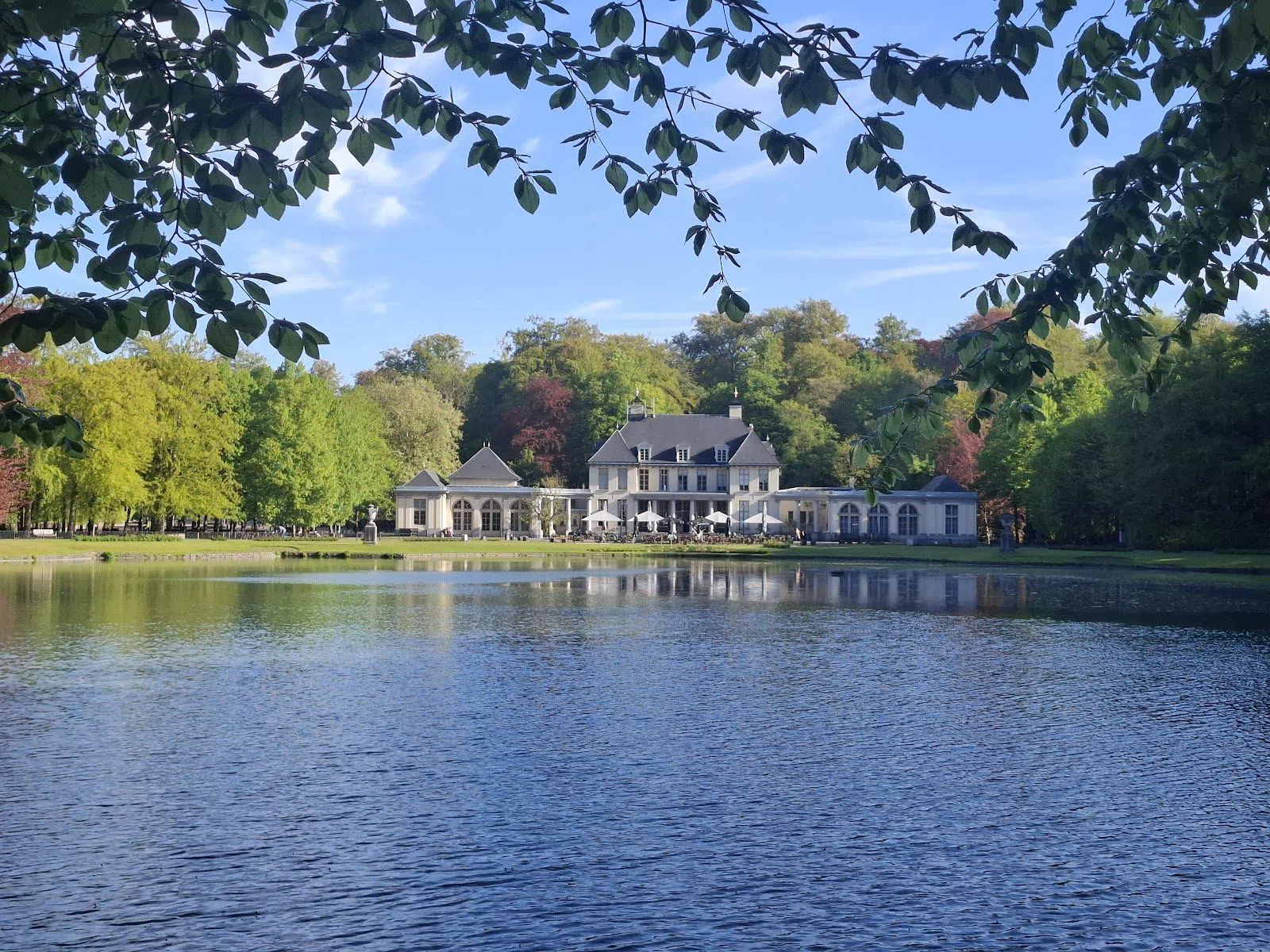
Provinciaal Groendomein Rivierenhof (Deurne) is a former country estate turned public park, free and open 06:30 to 22:30 every day. The King Arthur playground is the draw, and its best feature is a design decision: the little ones are deliberately separated from the bigger kids, so a two-year-old is not being trampled by nine-year-olds. The children's farm is free (rabbits, goats, donkeys, ponies, pigs), has baby-changing facilities on site, and opens 13:00 to 17:00 Sunday to Thursday. Read that again if you are here for a weekend: it is closed on Fridays and Saturdays, which catches out almost every visitor who assumes a farm is a weekend thing. Rowing boats and mini-golf carry small charges; everything else costs nothing.
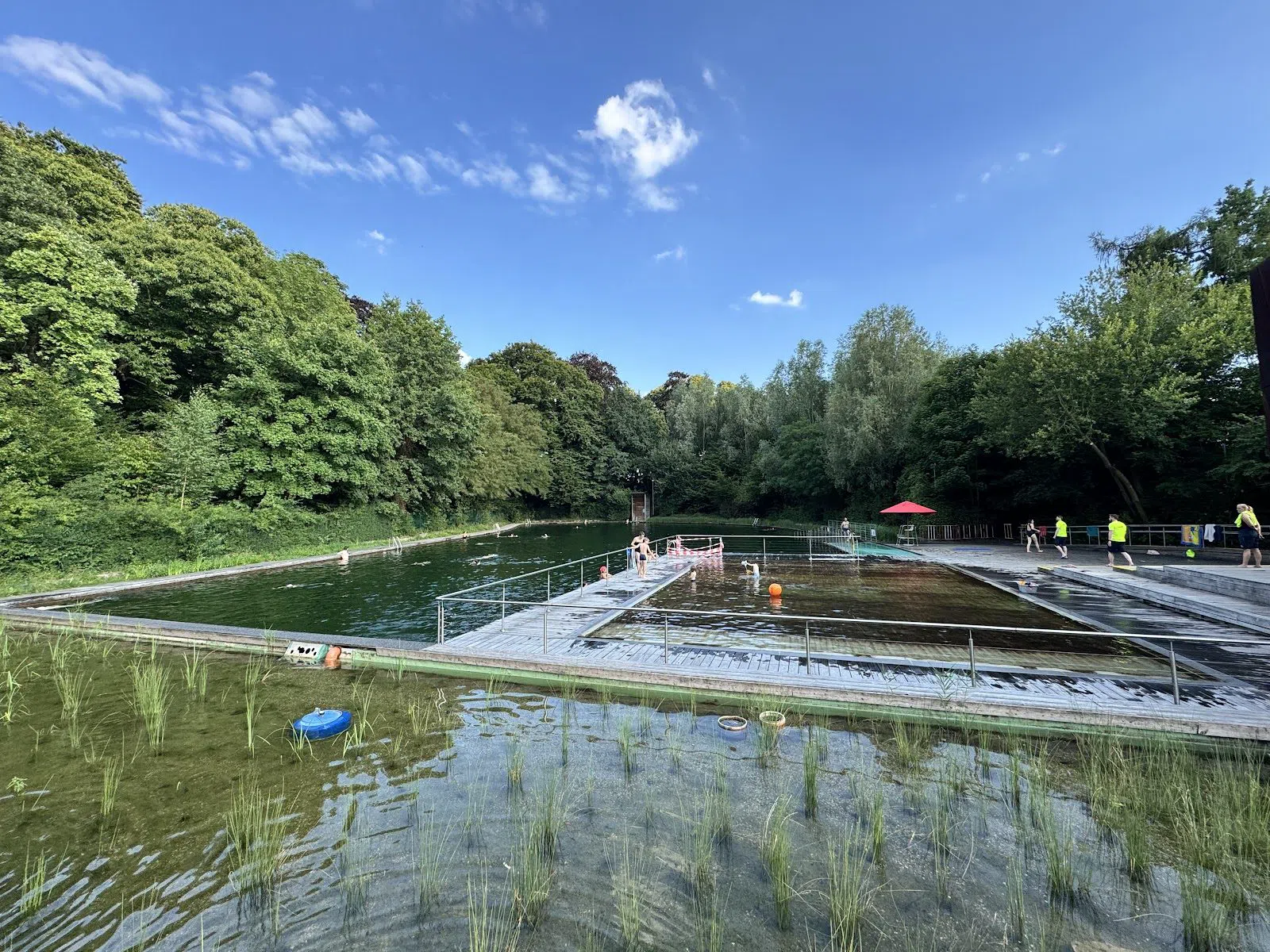
In summer, ten minutes away, Zwemvijver Boekenberg (Boekenbergpark, Deurne) is a free outdoor natural swimming pond with a separate children's pool 50cm deep, and water cleaned by plants rather than chlorine. It runs 15 May to 30 September only, so it is a summer entry and not a year-round plan. There is no booking, but capacity is capped on hot days and queues build through the early afternoon. Arrive late morning or accept that you may be turned back at the gate.
Two honest answers to rain
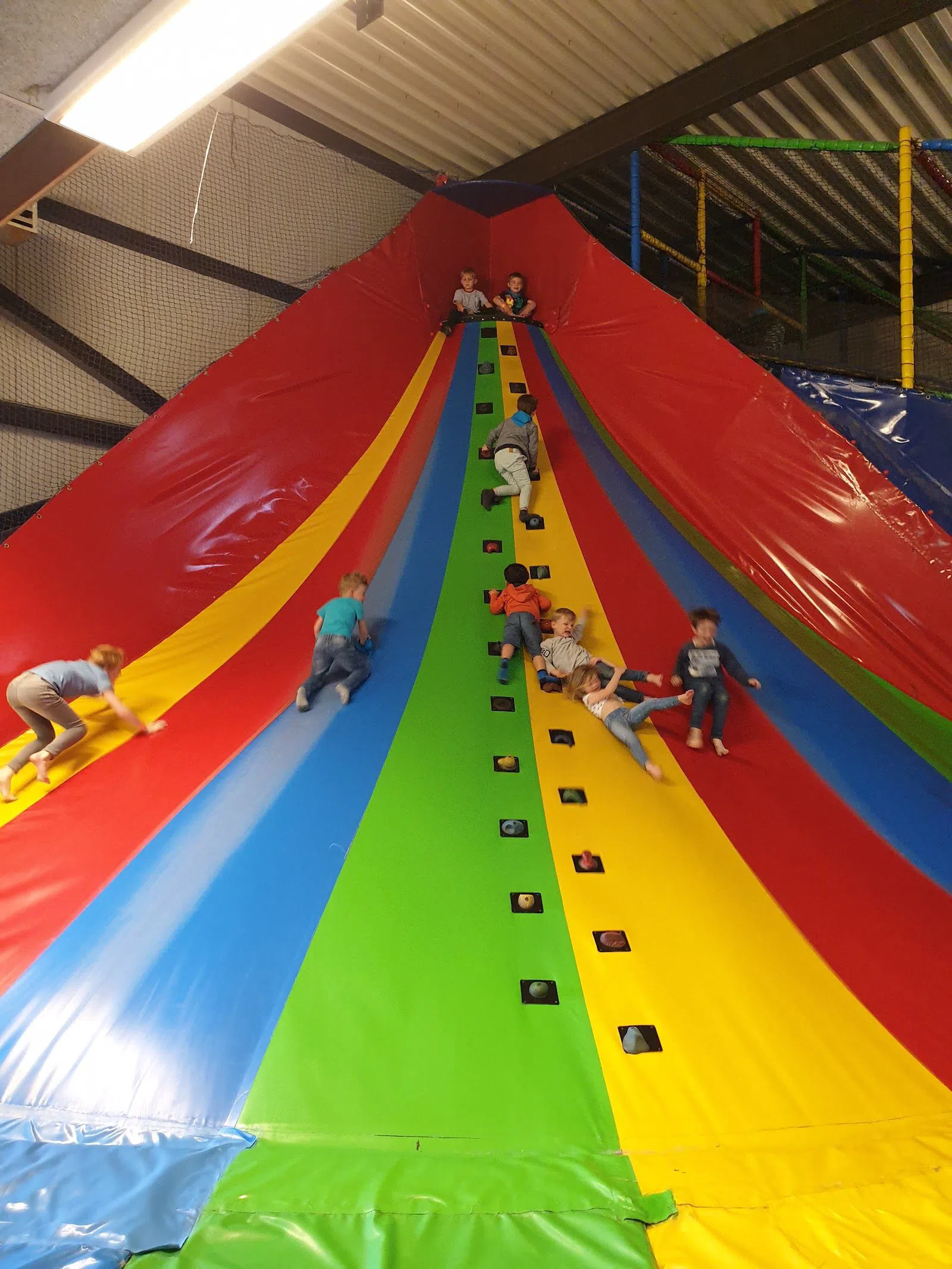
Den Deugeniet (Leugenberg 189, Ekeren) is the wet-day plan: 10,000m² of play space indoors and out, with a walled-off toddler zone and a dedicated toddler morning session that keeps the older children away entirely. Entry is per child and comes to roughly the price of a couple of coffees; adults are usually free or close to it. It takes birthday parties from seven children up, school trips and group bookings, and serves breakfast on Sundays. The one thing to do is check the day's hours before you drive out. They genuinely vary, and on Saturdays the doors only open at 16:00.
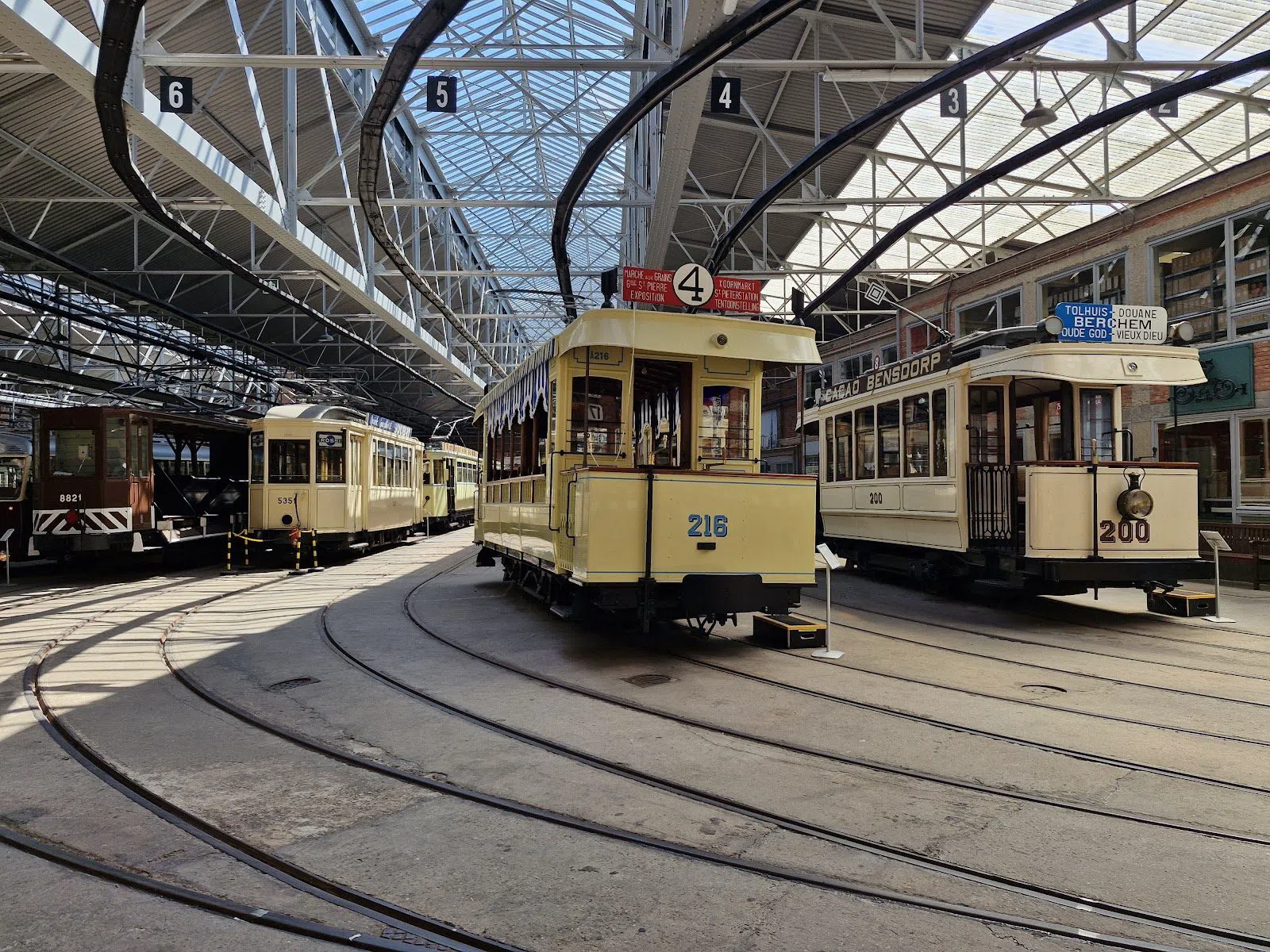
VlaTAM — Vlaams Tram- en Autobusmuseum (Berchem) is the other. More than fifty-five vehicles, including the city's first electric tram of 1900 and the last gyrobus left in the world, all standing at toddler eye level with no glass between. It is cheap, a few euros for an adult and less for a child, but the season is tight: weekends only, 13:00 to 16:30, from 18 April to 11 October 2026. Individuals walk in during opening weekends; groups of ten to fifteen book a guided tour of about two hours in advance.
Practicalities
Stay near Centraal Station or in the old town between Groenplaats and the quay and you can walk the spine of this itinerary (zoo, Meir, Het Steen, tunnel, boat) without touching public transport once. The Antwerp hotel search covers both districts, and the wider Antwerp guide has the rest of the city for the days the toddler is asleep in the room. For the southern parks and Deurne you will need a bus or a taxi; for the Left Bank you need the tunnel or the waterbus, because the tram tunnel under the Scheldt is out until at least mid-March 2027.
Cards work everywhere that matters, including the waterbus, but keep a few coins for the rowing boats and mini-golf at Rivierenhof. Timing does more for you here than money: zoo at opening, water and playgrounds after lunch, indoor museums for the weather. Watch the Monday closures, when Middelheimmuseum, Kinderboerderij Wilrijk and the Red Star Line Museum are all shut, and the Friday and Saturday closure of the Rivierenhof farm, which is the one that ruins plans.
On budget, a family of two adults and one three-year-old will spend around €90 at the zoo booked ahead, and can then do a full second day for the price of two waterbus tickets and a coffee. Almost everything else in this article is free: the tunnel, the beach, the parks, the farms, the sculpture museum, the escalators up the MAS, the roof at Het Steen, the swimming pond.
Before you go
How long should we spend at Antwerp Zoo with a toddler?
About three hours, starting at opening. The loops are flat and stroller friendly, and a fair share is under a roof, but stretching it to a full day is the standard mistake. Adult entry is €34.50, children aged 3 to 11 are €27.50, under-threes go free, and booking online at least a day ahead takes €3/€2 off. The gate is ninety seconds from Centraal Station, so leaving in time for a nap is easy.
How do we get to the Left Bank now that the tram tunnel is closed?
Walk or take the boat. The premetro tram tunnel under the Scheldt closed on 4 May 2026 for asbestos works and will not reopen before mid-March 2027, so the tram is out. The Sint-Annatunnel at Sint-Jansvliet is free 24/7, with working lifts and the old wooden escalators, and DeWaterbus runs roughly every half hour from 05:00 to 23:50 for €1 single or return in the city zone. It takes pushchairs unfolded.
What can we do in Antwerp with a toddler if it rains?
Den Deugeniet in Ekeren is the main wet-day answer: 10,000m², with a walled-off toddler zone and a toddler morning session. Check the day's hours first, as they vary and Saturdays only start at 16:00. In the centre, the Red Star Line Museum has a 'Gup the gull' trail built for ages three to six, a short walk from the MAS, whose escalator boulevard is free and covered.
Which family places in Antwerp are closed on Mondays?
Middelheimmuseum (though it opens on Easter Monday and Whit Monday), Kinderboerderij Wilrijk and the Red Star Line Museum are all closed on Mondays. The other trap is the free children's farm at Rivierenhof: it opens 13:00 to 17:00 Sunday to Thursday and shuts on Fridays and Saturdays, the opposite of what most weekend visitors expect.
How much does a day out in Antwerp with a small child cost?
Two adults and a three-year-old pay around €90 at the zoo when they book ahead. A second full day can cost the price of two €1 waterbus tickets and a coffee, because the Sint-Annatunnel, Sint-Annastrand, Park Spoor Noord, Rivierenhof, Kinderboerderij Wilrijk, Middelheimmuseum, the MAS escalators, the Het Steen roof terrace and Zwemvijver Boekenberg are all free.