The Antwerp issue
Walking Antwerp's Art Quarter from KMSKA to the MAS Roof
A first-visit route through Antwerp's museums and galleries in the order the city built them, with what each one costs, which day it shuts and when it lets you in free.

By Tomás AlmeidaA city read one street at a time
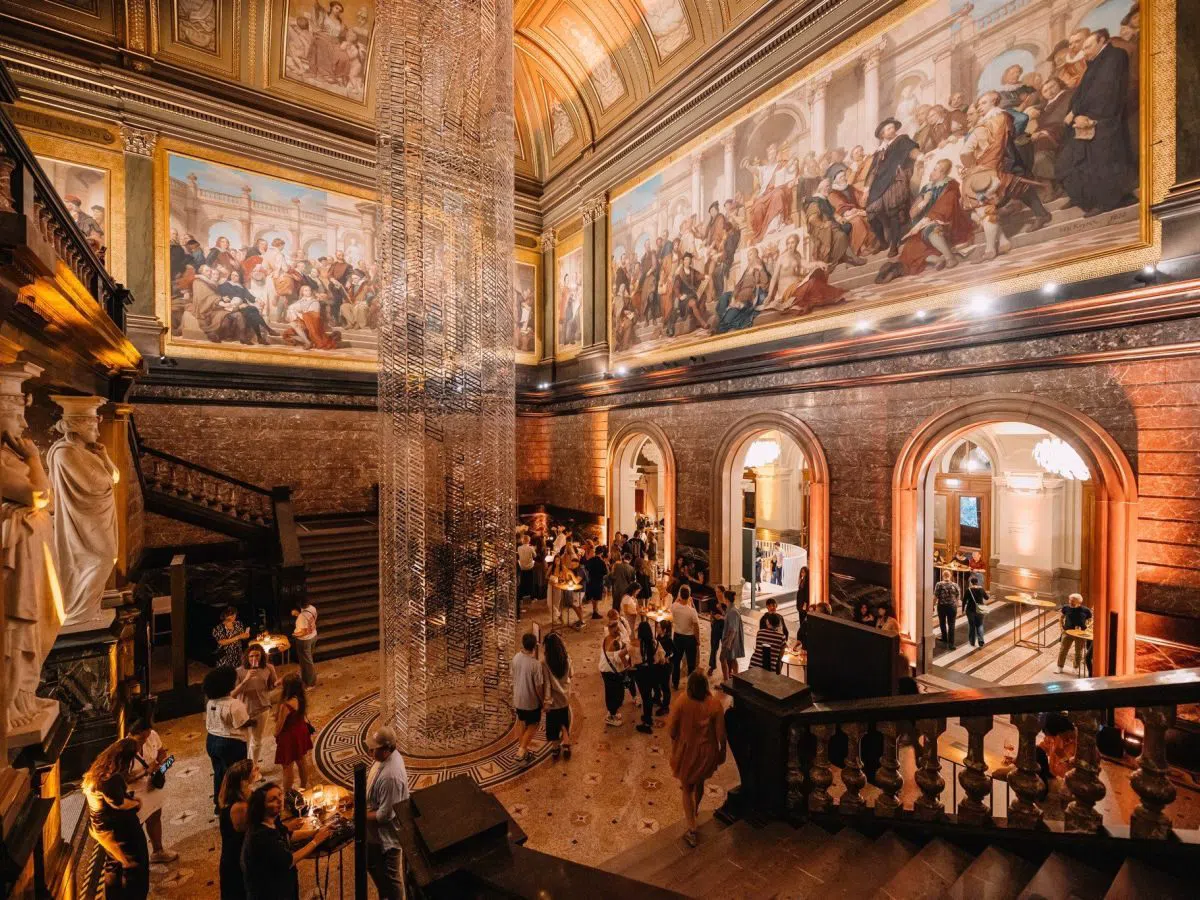
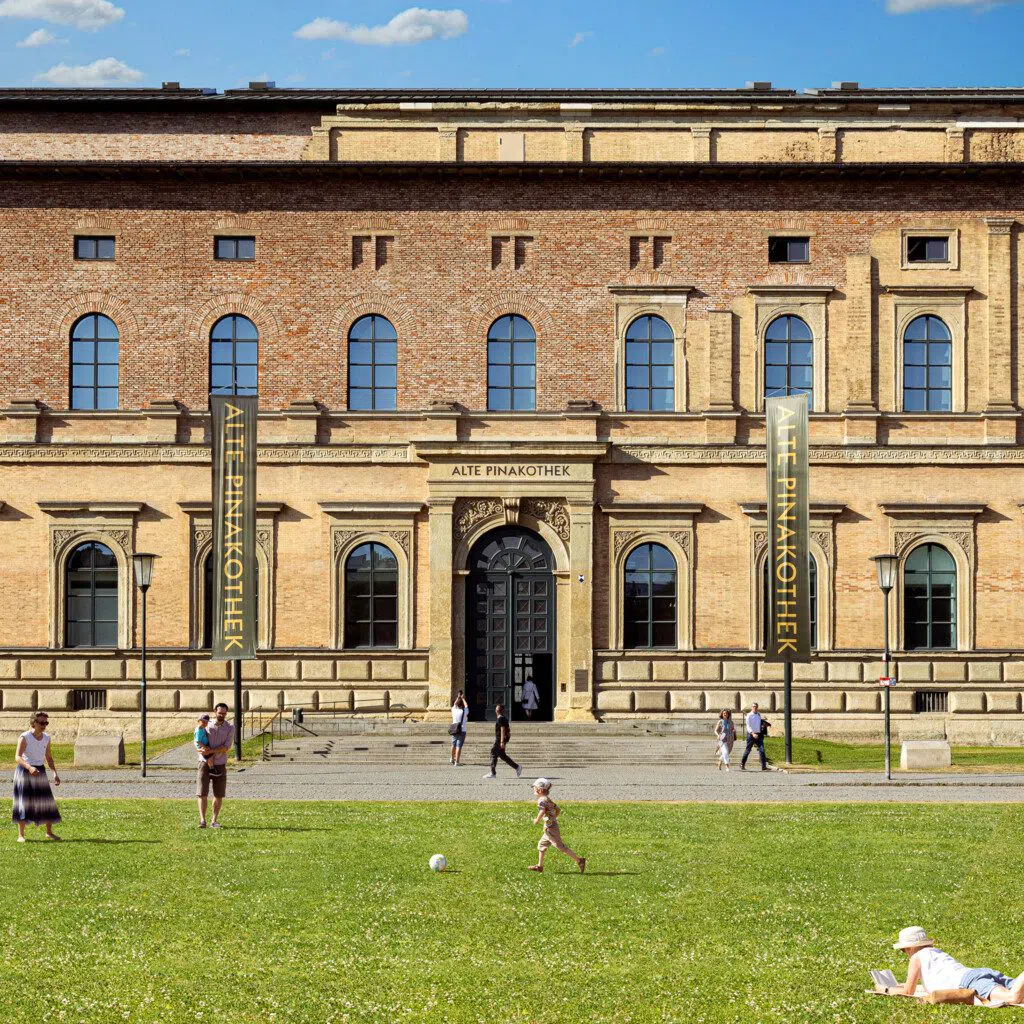
The KMSKA closes off one end of a square in Het Zuid, a great pale block with a staircase built for arriving on foot, and the streets around it were drawn to point at it. Everything else in the district (the contemporary museum, the photography museum, the dealer galleries with their doors wedged open on a Saturday) came afterwards and settled into its orbit. Walk them in that order and Antwerp's art holds together in a single day; walk them in any other order and you spend the day doubling back.
Give the KMSKA a whole morning
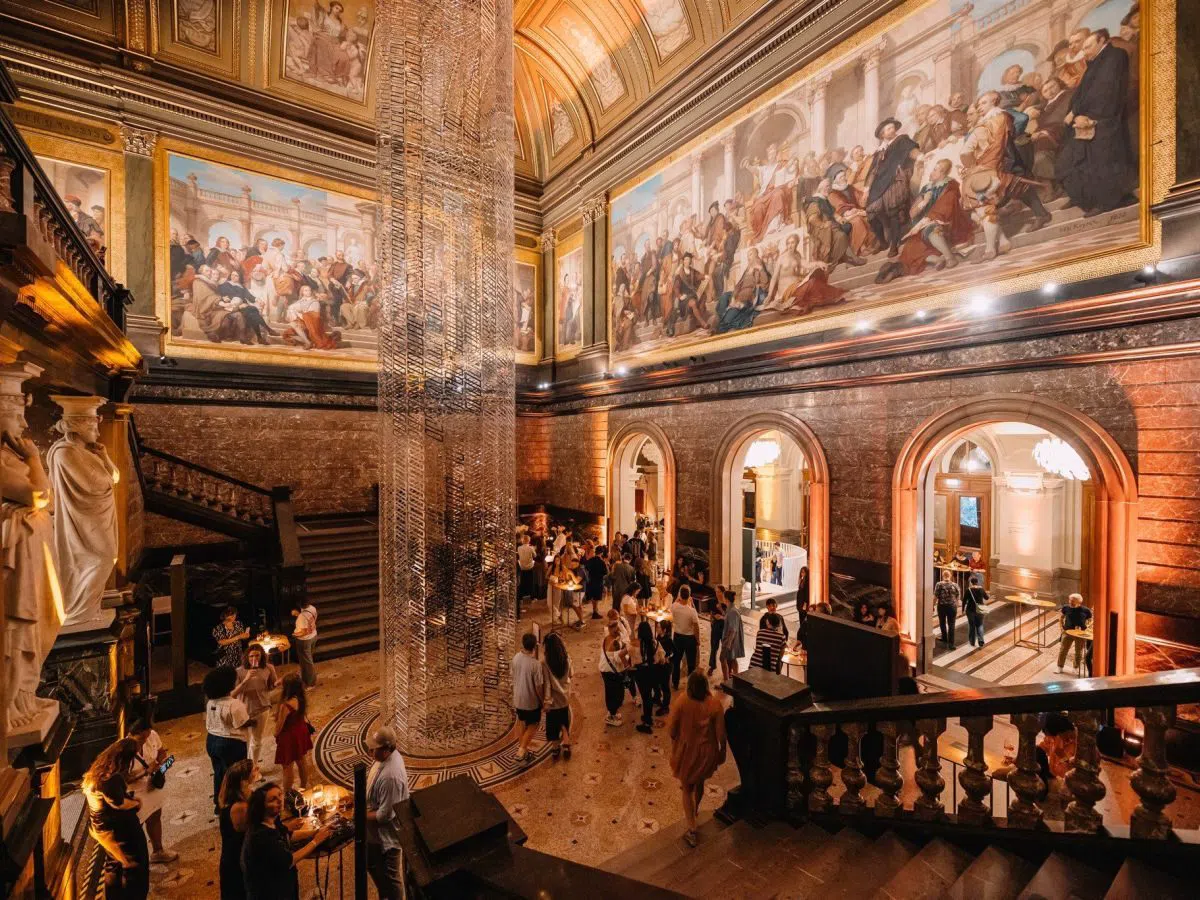
KMSKA (Royal Museum of Fine Arts Antwerp), Het Zuid, is the reason the Art Quarter exists and the one place here that punishes a rushed visit. Two hours is the floor, and that is two hours at a walking pace with no coffee stop. Admission is €20 for an adult, €10 if you are under 26, and free under 18 or with a Museumpass or ICOM card. The part people miss is that the ticket alone does not get you through the door: you also need a timed slot, which is free but compulsory, booked online or taken from the machine in the entrance hall, with entries every half hour. So a first-time visitor should reserve the first or second slot of the day before leaving the hotel, then treat the rest of the itinerary as flexible.
The collection makes the case. You get Rubens on a museum wall here and Rubens in a church a twenty-minute walk away, which is the closest thing Antwerp offers to a controlled experiment. The Ensor rooms are the real surprise for anyone who arrived expecting nothing but the Baroque. On Thursdays the museum runs KMSKA LATE until 22:00, and that late stretch is the calmest those rooms ever get. If your trip includes a Thursday, move the museum to the evening and give the daylight to the galleries instead.
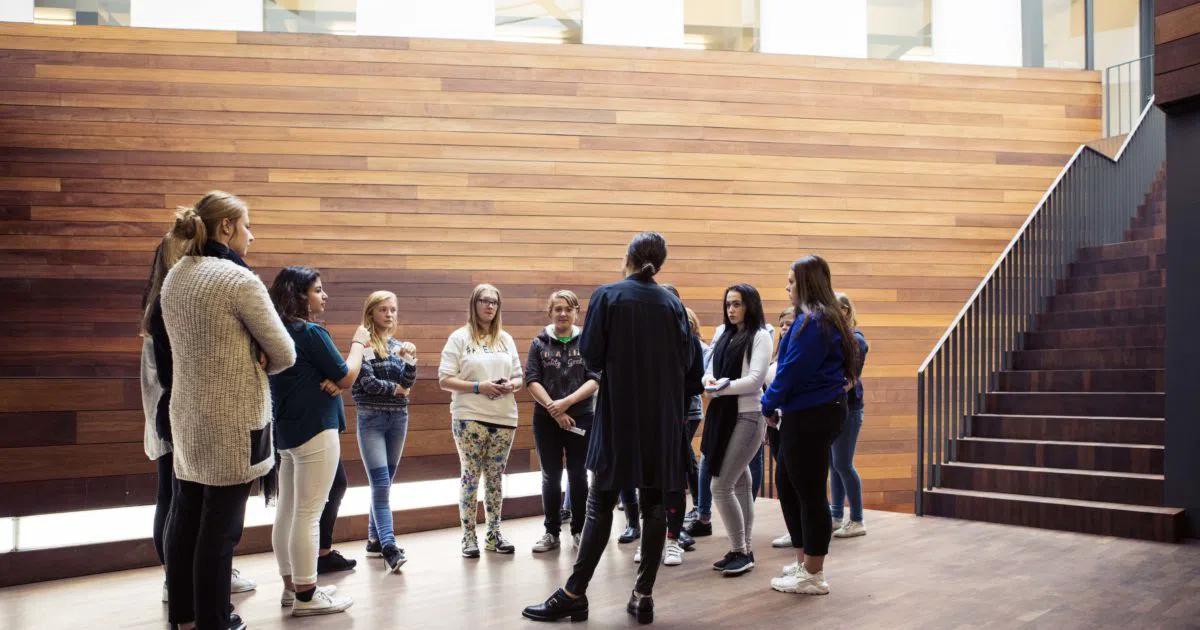
Groups are genuinely catered for rather than tolerated: the museum handles its own guided tours and group bookings, and school groups go free. Couples and solo visitors need nothing more than the timed slot. Nobody should be improvising an arrival time on a Saturday in high season.
Plan your Antwerp trip
Live prices from our booking partners.
Free cancellation on many rooms. We may earn a commission when you book.
Five minutes on foot to the contemporary and the photographic
M HKA (Museum of Contemporary Art Antwerp), Het Zuid, is the natural second stop and about five minutes away. Entry is €14, and it is free with the Belgian Museumpass or the Antwerp City Pass, which is where those cards start paying for themselves. Individuals do not need to reserve anything and can simply walk in, while guided tours and group visits are arranged by email in advance, so a party of a dozen should write ahead rather than turn up hopeful. Flanders reversed its plan to strip the collection and relocate it, so the museum keeps its status and is running a full 2026 programme; the uncertainty that hung over it for a while is not a reason to skip it.
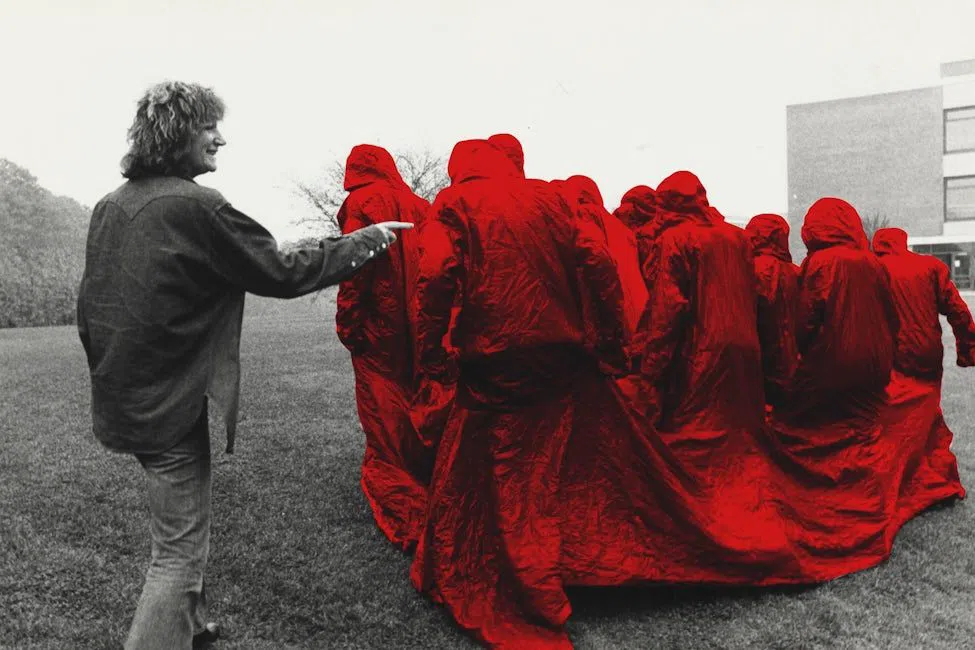
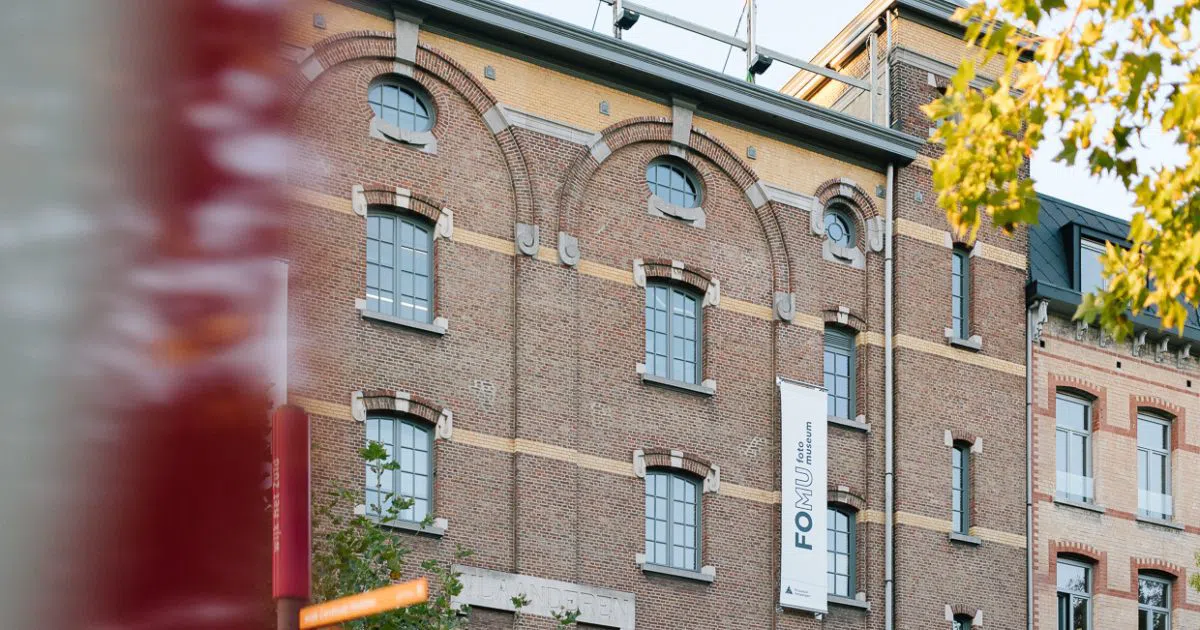
FOMU – Fotomuseum Antwerpen, Het Zuid, completes the trio with photography rather than paint. It is €12 for an adult, €5 under 26, free under 18 or with the Museumpass, and groups of twelve or more pay a reduced €8 a head. Two cautions. It is closed on Mondays, and the exhibition programme turns over hard, so check what is actually hanging before you commit an afternoon to it. A photography museum between shows is a thin experience, and this is the one venue in the district where the building will not carry you.
Three ticketed museums in one day is a slog, and honest advice for a first visit is two plus the galleries. If you only want one after the KMSKA, choose M HKA when you want ideas and FOMU when you want images.
The galleries cost nothing and often keep better hours
Het Zuid is a working commercial district, not a museum campus, and its dealer galleries are free, unbooked and frequently better company than a ticket queue. Tim Van Laere Gallery, Het Zuid, moved out of Verlatstraat into a purpose-built space at Jos Smolderenstraat 50, and a surprising number of listings still print the old address, so check the street number rather than the guidebook. Entry is free and you simply walk in; small groups are fine, larger parties should call first out of courtesy to whoever is at the desk. The building is worth the walk even between shows.
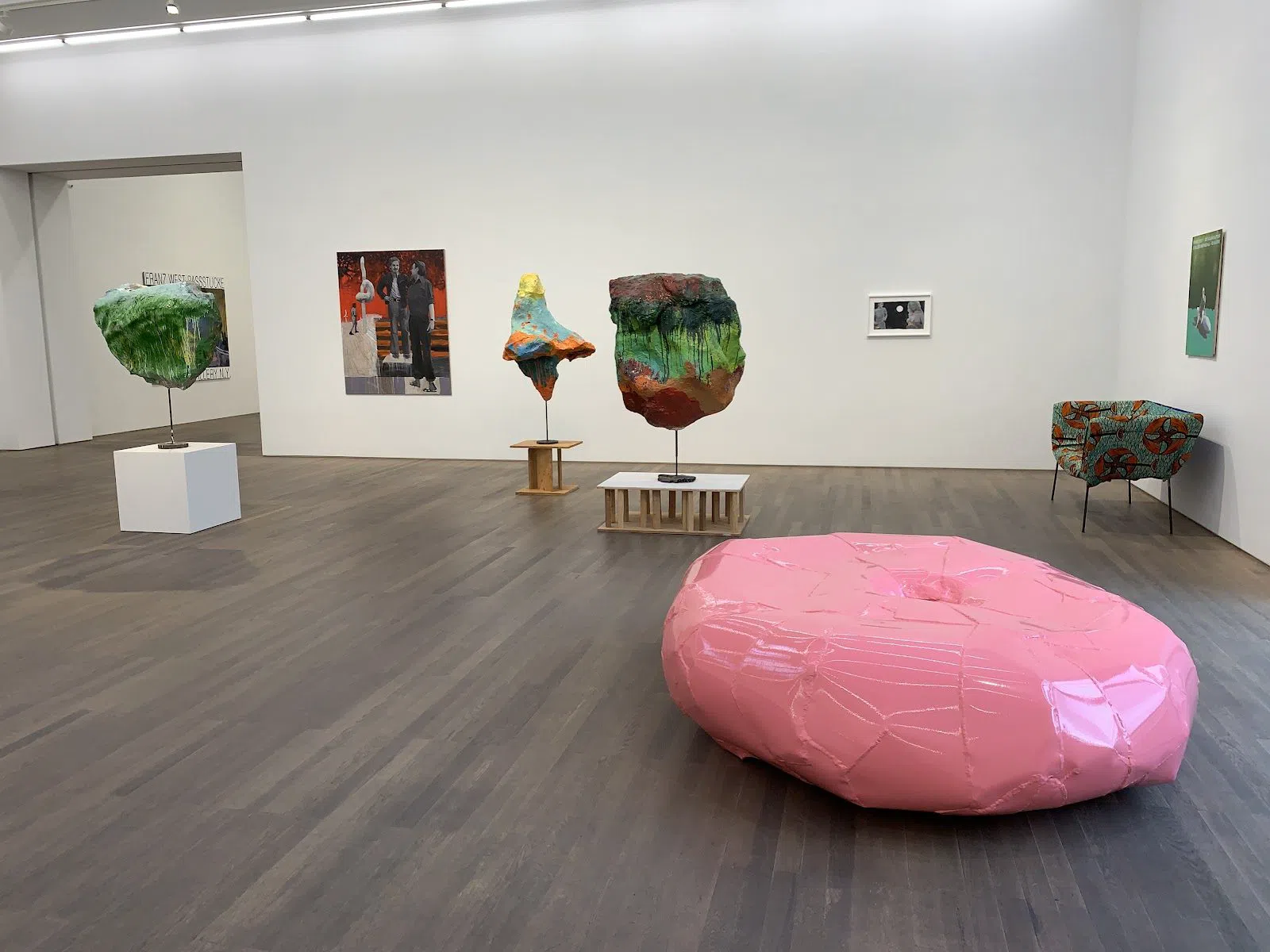
Gallery Sofie Van de Velde, Het Zuid, is the most reliably open dealer gallery in the district and shares a door with PLUS-ONE, so a single stop gets you two programmes. It opens Tuesday to Sunday, which is unusual for a commercial gallery and makes it the obvious fallback on the days the museums are shut. It costs nothing and takes no appointment.
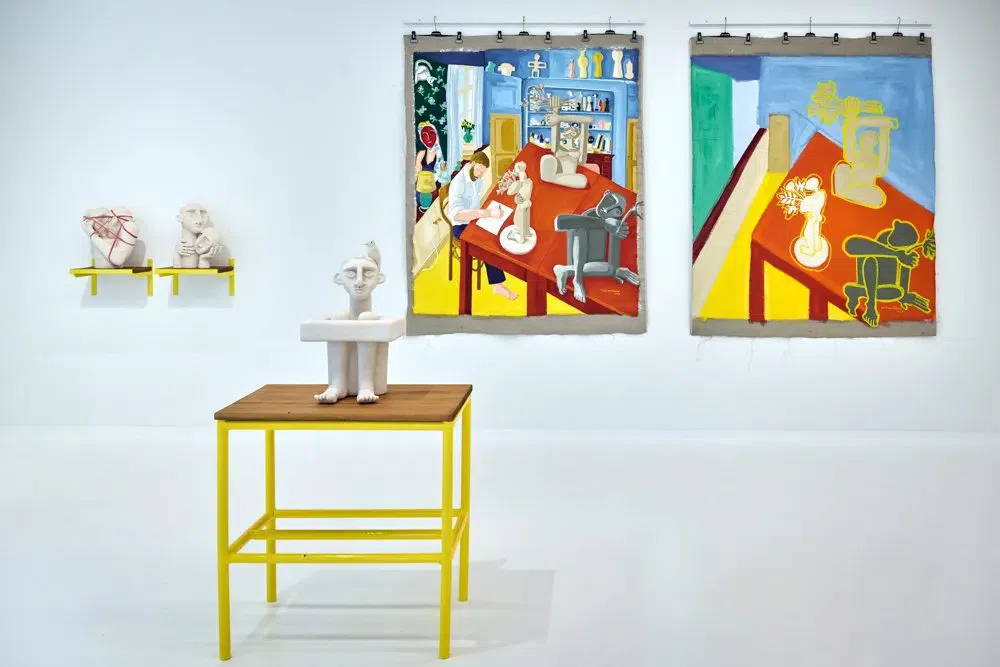
Kunsthal Extra City is the experimental edge, a non-collecting kunsthalle showing work the museums will not, at a modest admission and free with the usual passes. The catch is the four-day week: Thursday and Friday 13:00 to 19:00, Saturday and Sunday 11:00 to 18:00, and nothing at all from Monday to Wednesday. It rewards people whose trip happens to line up and wastes the time of everyone else, so check it against your dates before you plan around it. Groups should contact the space ahead; it is a small operation.
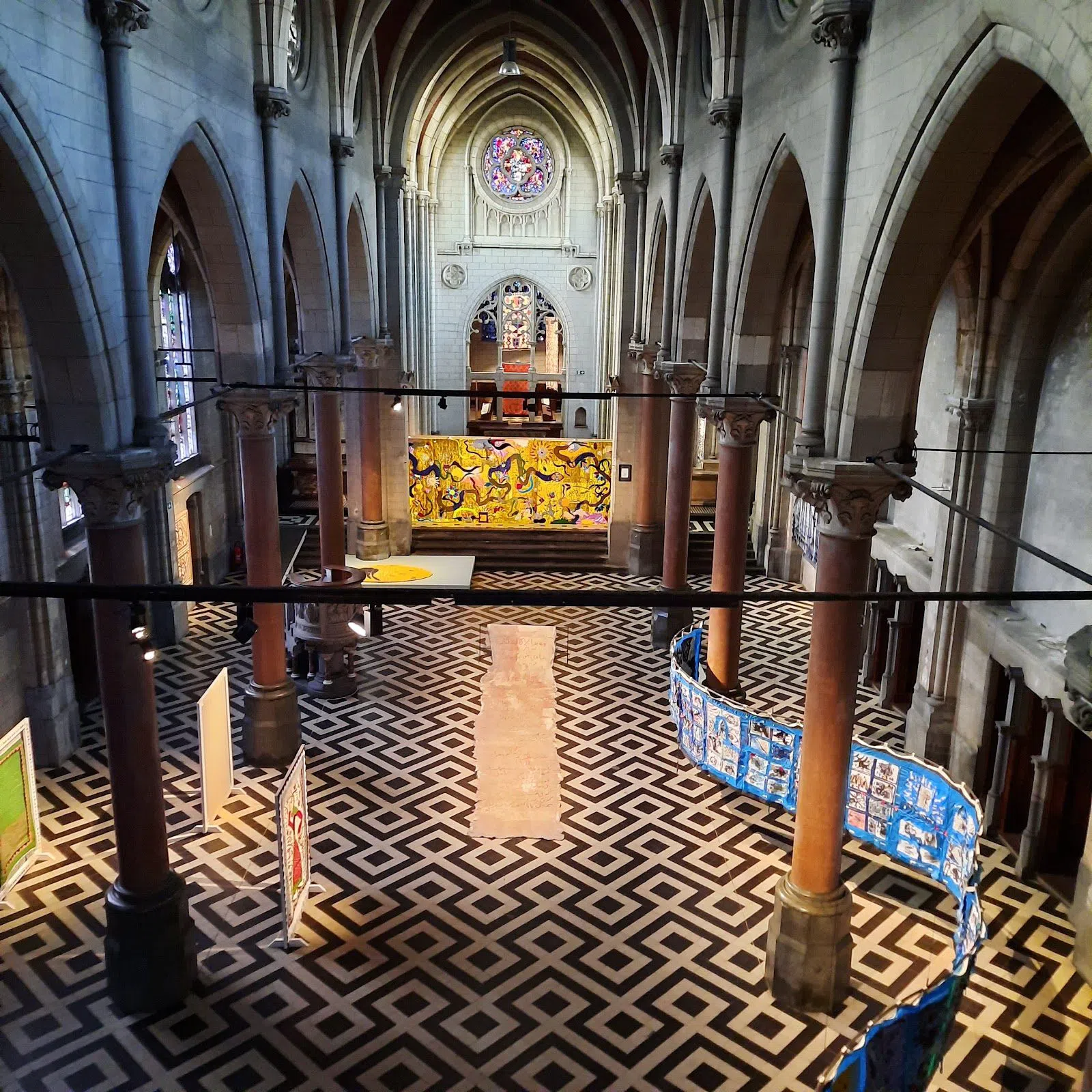
Into the old centre, where Rubens stayed put
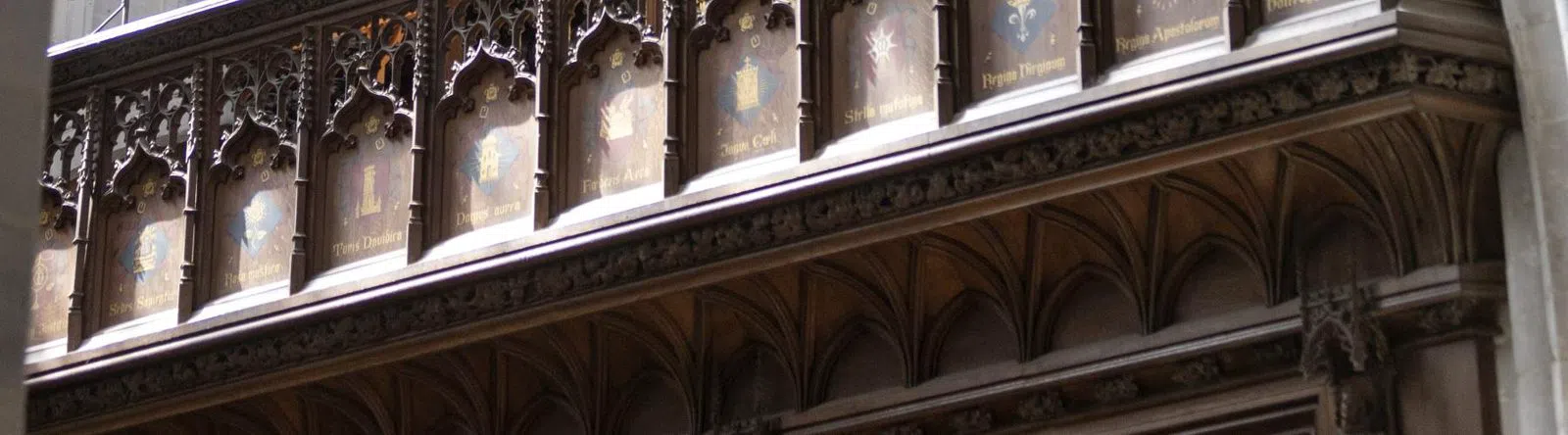
Walk north out of Het Zuid and the city changes register. The Cathedral of Our Lady (Onze-Lieve-Vrouwekathedraal), old centre, holds Rubens altarpieces in the places, at the heights and in the light they were painted for. Seeing them in situ after seeing his work on a museum wall is the single best reason to visit both halves in one day. Admission is €12, dropping to €10 for students, over-60s and groups of twenty or more, and it is free for under-18s and residents of Antwerp Province. Hours shift around services, which is not a formality: a large group that arrives without checking can find itself standing outside a working church during Mass. Guided tours are widely available and worth it here more than almost anywhere else in the city.
The Rubens Experience & Garden (Rubenshuis), old centre, needs a plain warning. The artist's residence itself is closed for renovation until roughly 2030. What is open is the interactive Rubens Experience plus the garden, at €12, or €8 for the garden alone, with €8 reduced entry for groups of twelve or more. Start times are fixed and capacity is limited, so advance online booking is not optional, and it is closed on Wednesdays. Go in expecting a well-made interpretive site and a garden and you will enjoy it; go expecting to stand in Rubens's actual rooms and you will feel misled. Nobody should promise a visitor those rooms in 2026.
The house museums a first visit tends to skip
Museum Plantin-Moretus, old centre, is the one that gets skipped and shouldn't be. It is the only museum in the world inscribed on the UNESCO World Heritage list in its own right: a printing dynasty's house, workshop and business records, preserved whole. Entry is €12, €8 concession, free under 18, with group bookings and guided tours through the city museum booking service. Closed Mondays. Give it ninety minutes.
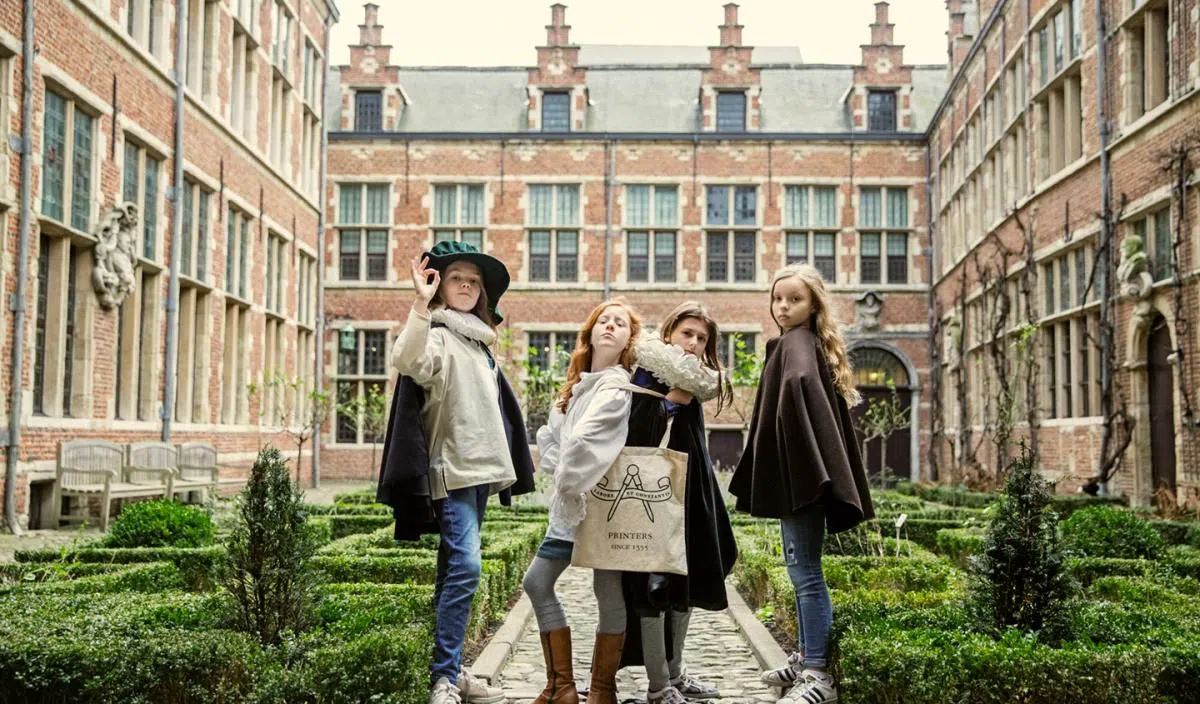
Snijders&Rockoxhuis, old centre, is the best surviving picture of how an Antwerp collector actually lived alongside these paintings, in rooms rather than galleries, and it is reliably uncrowded, which after a Saturday morning at the KMSKA is worth a great deal. Admission runs around €10 to €12, and it is free to everyone on the first Tuesday of the month. Closed Mondays. From October 2026 it stages the first ever exhibition of Catharina van Hemessen's collected works, which is a genuine reason to build a day around it rather than a filler line.
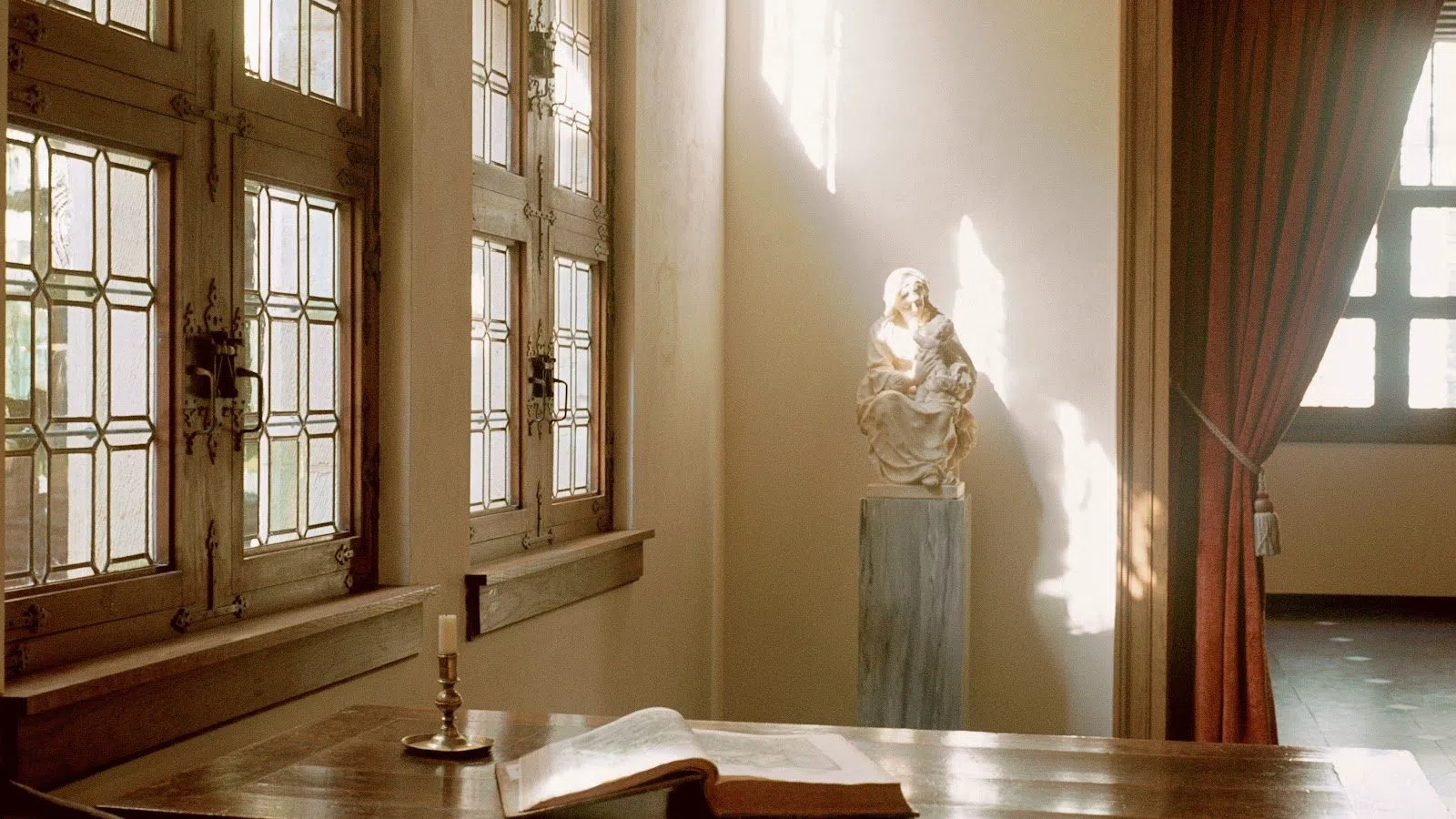
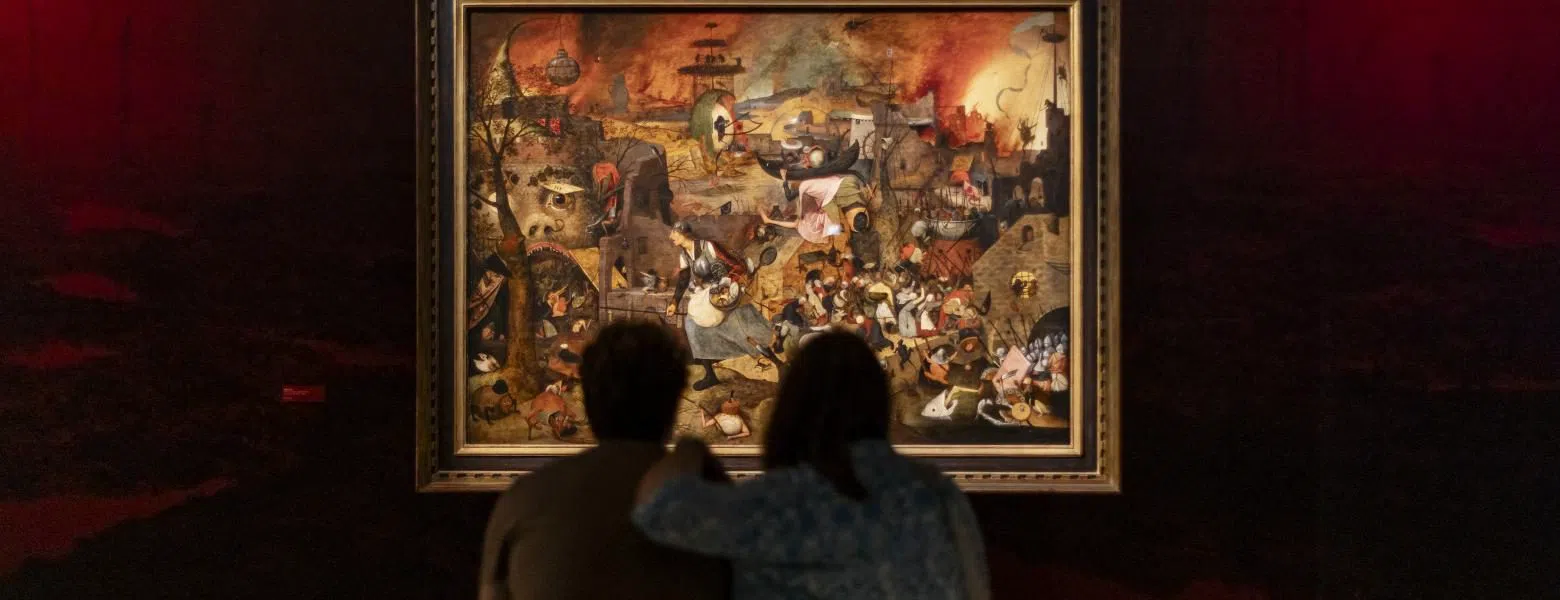
Museum Mayer van den Bergh at the Maagdenhuis, old centre, is where the guidebooks will send you wrong. The home museum is shut for restoration until 2030, but the collection has moved about a hundred metres to the Maagdenhuis for the exhibition 'Beloved', so Dulle Griet is still on view, though not at the address most books print. Tickets are €10 for adults over 26, €6 for ages 18 to 25 and groups of twelve or more, free under 18, and everything is timed-slot: you need an e-ticket even if you are entering free. That last detail catches families out constantly.
Cloth, diamonds and the trade under the paintings
MoMu – Fashion Museum Antwerp, Fashion District, is the best single explanation of why this city matters beyond the seventeenth century. In 2026 it marks forty years of the Antwerp Six with the first major exhibition devoted to them, and if you have wondered why a mid-sized port city carries the weight it does in design, this is the room where it is answered. Entry is €13, €9 for ages 18 to 25, free under 18 and with the Museumpass. Groups over twelve paying visitors get a reduced rate, guided and unguided group visits are bookable online, and school groups are free.
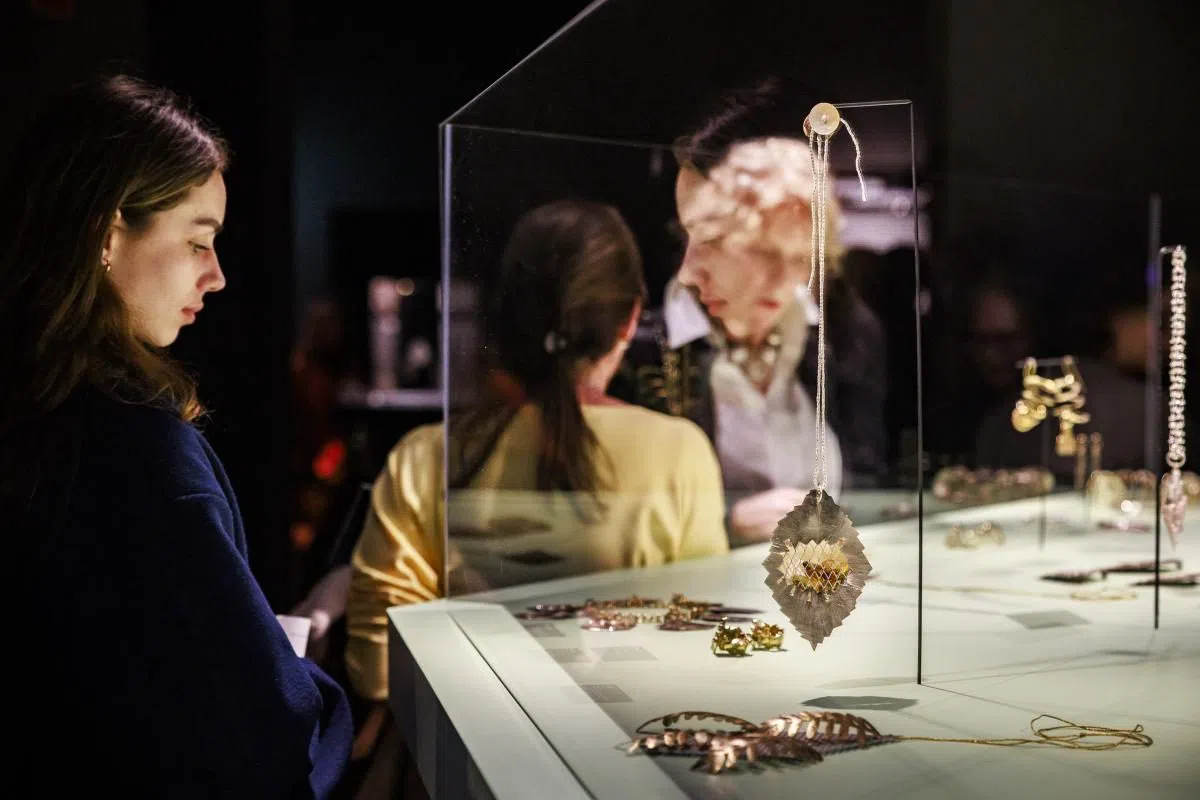
DIVA – Museum for Diamonds, Jewellery and Silver, old centre, is the decorative-arts counterweight to all that Baroque paint, and it explains the industry the city was actually built on. It is €12 standard, €8 reduced, free under 18, with a reduced group rate. Two practicalities: the desk is cashless, card only, online or in person; and it closes on Wednesdays, which catches out more people than any other closing day in Antwerp.
Finish on the MAS roof
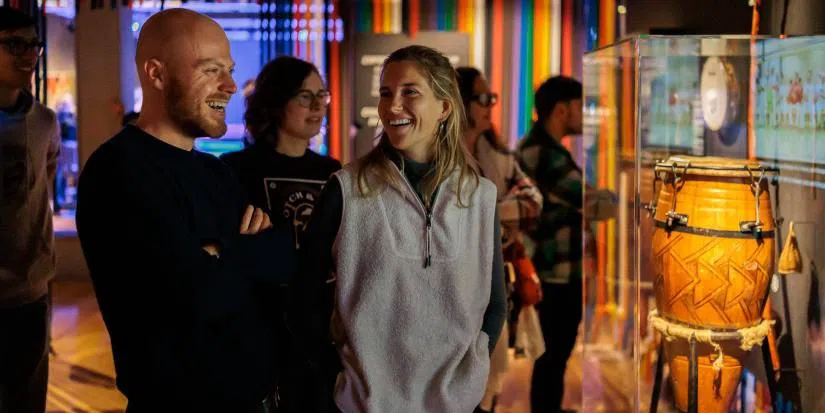
MAS – Museum aan de Stroom, Eilandje, is the correct end to the day rather than the start of it. Galleries are €10, plus €2 for temporary exhibitions, free for under-12s and free for everyone on the first Wednesday of the month, and they include a Visible Storage where the collection is shown as stock rather than as narrative. The galleries close at 17:00, but the escalator boulevard and the rooftop panorama are free, unticketed and open until 22:00. Arrive late, skip the ticket if you are tired, and take the roof at dusk with the docks on one side and the spire of the cathedral on the other. Groups are welcome inside with advance reservation; on the roof nobody needs to book anything.
Two reasons to leave the centre
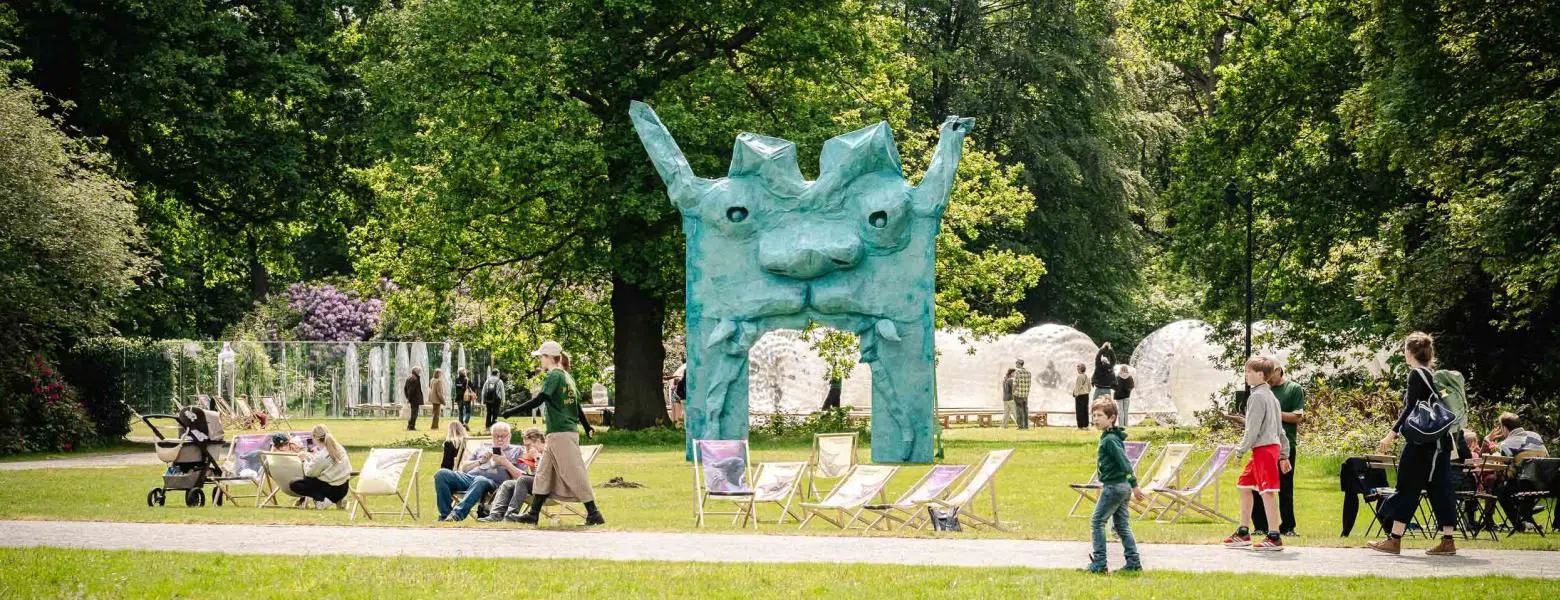
Middelheim Museum, south of the centre, is an open-air sculpture park that is free, unticketed and pram- and wheelchair-friendly, the one entry on this route that works on any budget, including none. Groups need no booking; guided tours are available on request. Hours are seasonal and matter: to 20:00 in high summer, but only to 17:00 from October to March, and closed Mondays. In winter you are looking at a short afternoon, so go straight after lunch.
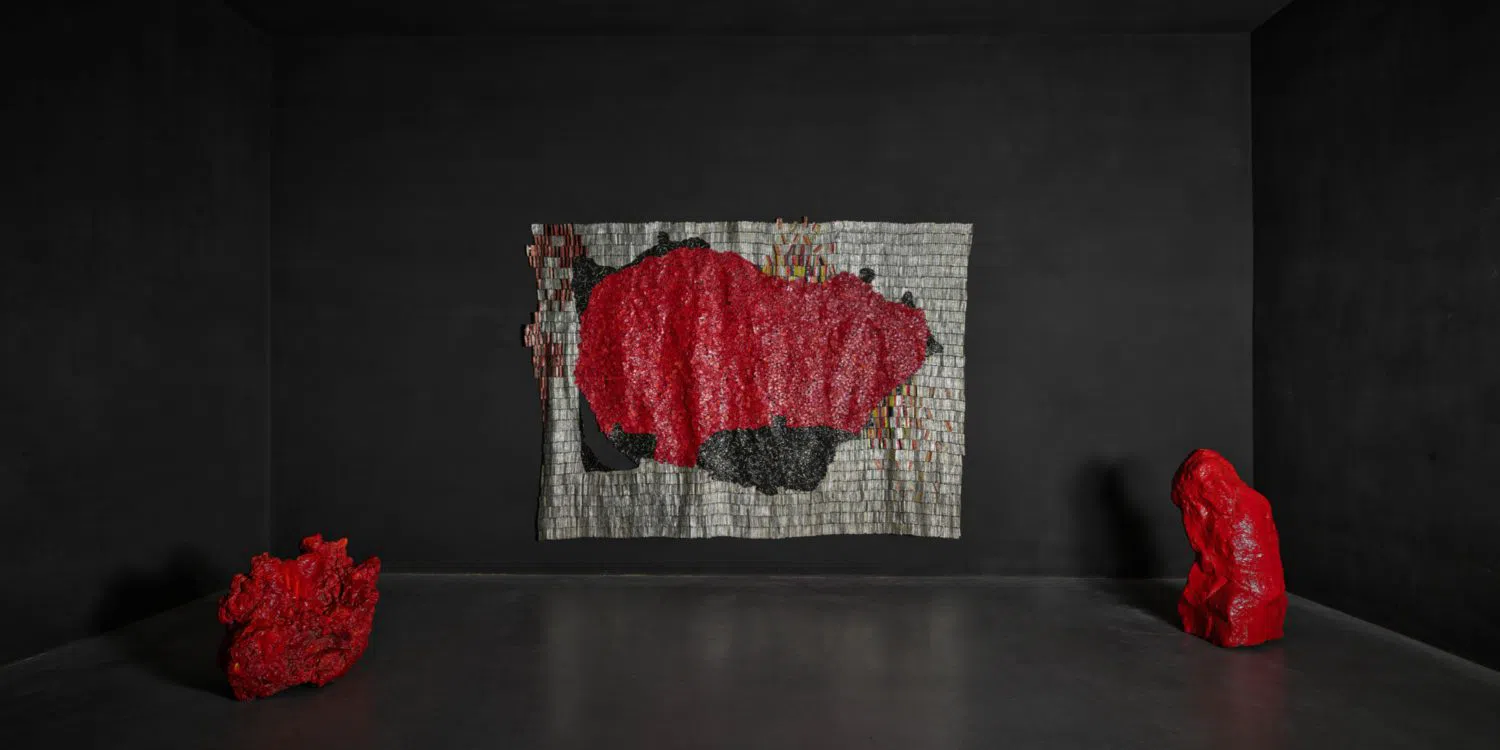
Axel Vervoordt Gallery at Kanaal, about twenty minutes out of town, is the one trip beyond the city worth building a day around, and the one with the least forgiving door policy in this entire piece: free entry, but open only Fridays 14:00 to 17:00 and Saturdays 11:00 to 18:00. Groups must arrange in advance. If your trip contains neither a Friday nor a Saturday afternoon, take it off the list without regret rather than turning up to a locked gate.
Fares, closing days and what a day here costs
The whole central route is walkable (Het Zuid to the cathedral is about twenty minutes on foot, the cathedral to the MAS about the same) and trams cover the same ground when it rains. Middelheim and Kanaal are the only stops that need transport rather than shoe leather. Buy transport tickets from machines or the operator's app rather than expecting to pay a driver.
Cards are accepted almost everywhere and DIVA takes nothing else, but carry a little cash for small cafés. Watch two closing days above all: Mondays take out FOMU, Plantin-Moretus, Snijders&Rockoxhuis and Middelheim, while Wednesdays take out the Rubens Experience and DIVA. Kunsthal Extra City is shut Monday through Wednesday. Free windows are worth planning around: the first Tuesday of the month at Snijders&Rockoxhuis, the first Wednesday at the MAS, and the MAS rooftop every day.
On budget: a full-price adult doing KMSKA, M HKA and one house museum spends roughly €45 to €50 on tickets in a day, before the galleries, which are free. A Belgian Museumpass or the Antwerp City Pass changes that arithmetic quickly if you are visiting three or more ticketed museums, since the KMSKA, M HKA, FOMU and MoMu all honour one or both. Under-18s are free almost everywhere on this route, and under-26s pay roughly half at the two biggest museums.
Stay in or near Het Zuid if the art is the point of the trip, so that you start each morning inside the district rather than commuting into it. Compare rates through the Antwerp hotel search, and read the wider Antwerp guide for where to eat between the museums. Book the KMSKA slot, the Rubens Experience slot and the Mayer van den Bergh e-ticket before you arrive. Everything else on this walk you can decide on the day.
Before you go
How long should I allow for the KMSKA?
Two hours is the minimum for a brisk walk-through; three is more comfortable if you want time in the Ensor rooms. On Thursdays KMSKA LATE runs until 22:00, the quietest stretch of the week.
Do I need to book the KMSKA in advance?
Yes. Beyond the €20 adult ticket (€10 under 26, free under 18 and with a Museumpass or ICOM card) you need a timed slot, free but compulsory. Reserve it online or take one from the machine in the entrance hall; entries run every half hour.
Is Rubens's house open in 2026?
Not the residence itself: it is closed for renovation until roughly 2030. The Rubens Experience and the garden are open, at €12 for both or €8 for the garden alone, on fixed timed slots with limited capacity, and closed on Wednesdays. For Rubens in the original setting, go to the Cathedral of Our Lady instead.
Which Antwerp museums are closed on Mondays and Wednesdays?
FOMU, Museum Plantin-Moretus, Snijders&Rockoxhuis and the Middelheim Museum close on Mondays, the Rubens Experience and DIVA on Wednesdays. Kunsthal Extra City opens only Thursday to Sunday, and the Axel Vervoordt Gallery at Kanaal only on Friday afternoons and Saturdays.
Is a museum pass worth buying for the Art Quarter?
If you are visiting three or more ticketed museums it usually is. The KMSKA, M HKA, FOMU and MoMu all admit Belgian Museumpass holders free, and M HKA also accepts the Antwerp City Pass. For a single museum plus the free galleries, pay as you go.