The Antwerp issue
A Slow Day in Antwerp from the Station to the Scheldt
A single unhurried day, walked in order: station marble, Rubens's garden, a two o'clock church, the tunnel under the river and a free rooftop at sunset.

By Tomás AlmeidaA city read one street at a time
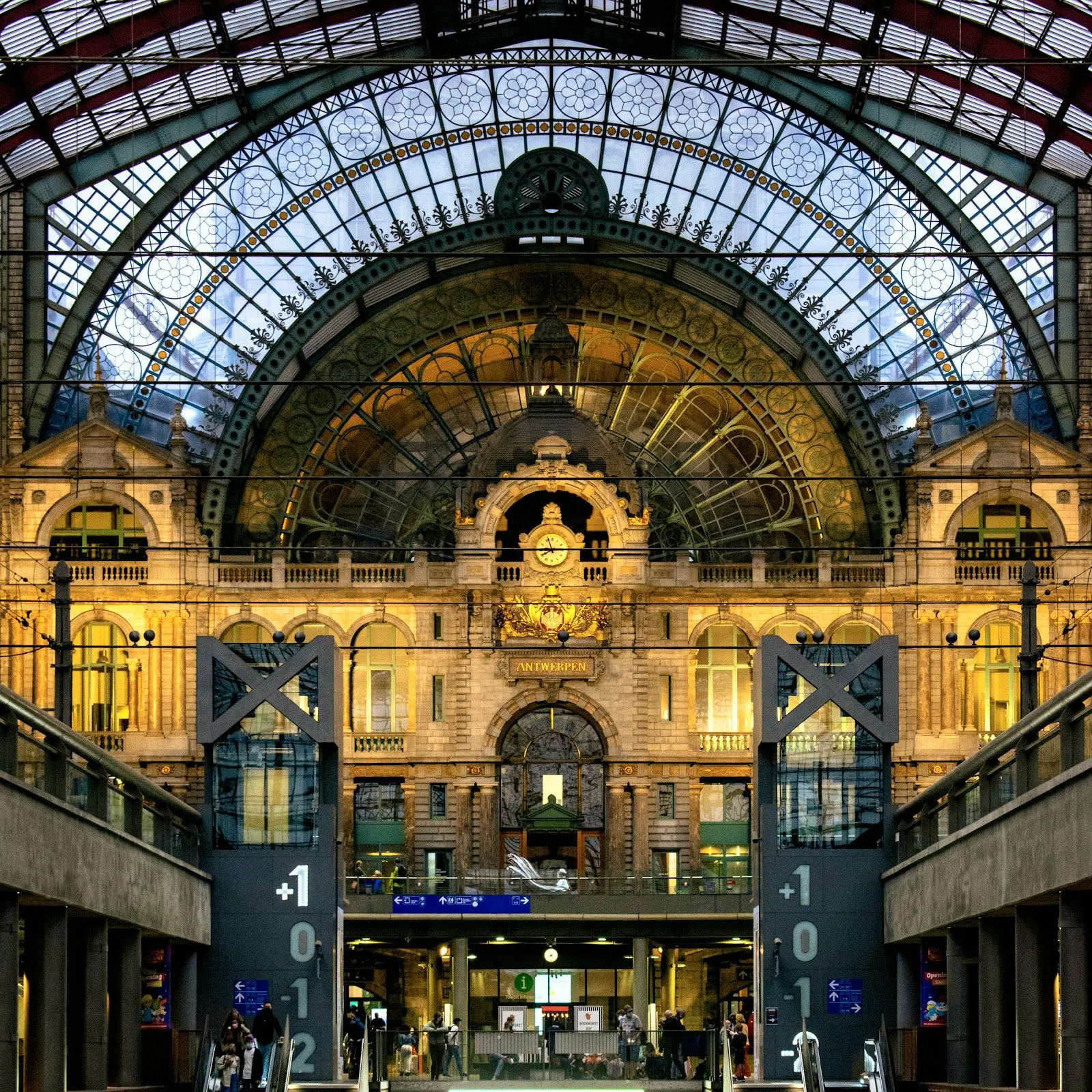
The train slows, the light changes, and you step out into a hall of marble and gilt that most cities would put a turnstile in front of. Antwerp is small enough to cross on foot in half an hour, which is exactly why so many visitors ruin it: they arrive with six museums on a list and leave having mostly seen ticket desks. This is the other version of the day, walked in order, with fewer entries on it and more time spent standing still.
Ten minutes you should not skip
Antwerp Central Station (Antwerpen-Centraal), on Astridplein at the near edge of the diamond quarter, is the rare arrival that is also the first thing worth seeing. Finished in 1905 and later hollowed out beneath so trains run on stacked levels, it is a working station and nothing more complicated than that: free, open, no door policy, no queue, no upper limit on the size of the party you are travelling with. Guided architecture tours leave from the concourse if you want someone to explain the dome and the ironwork.
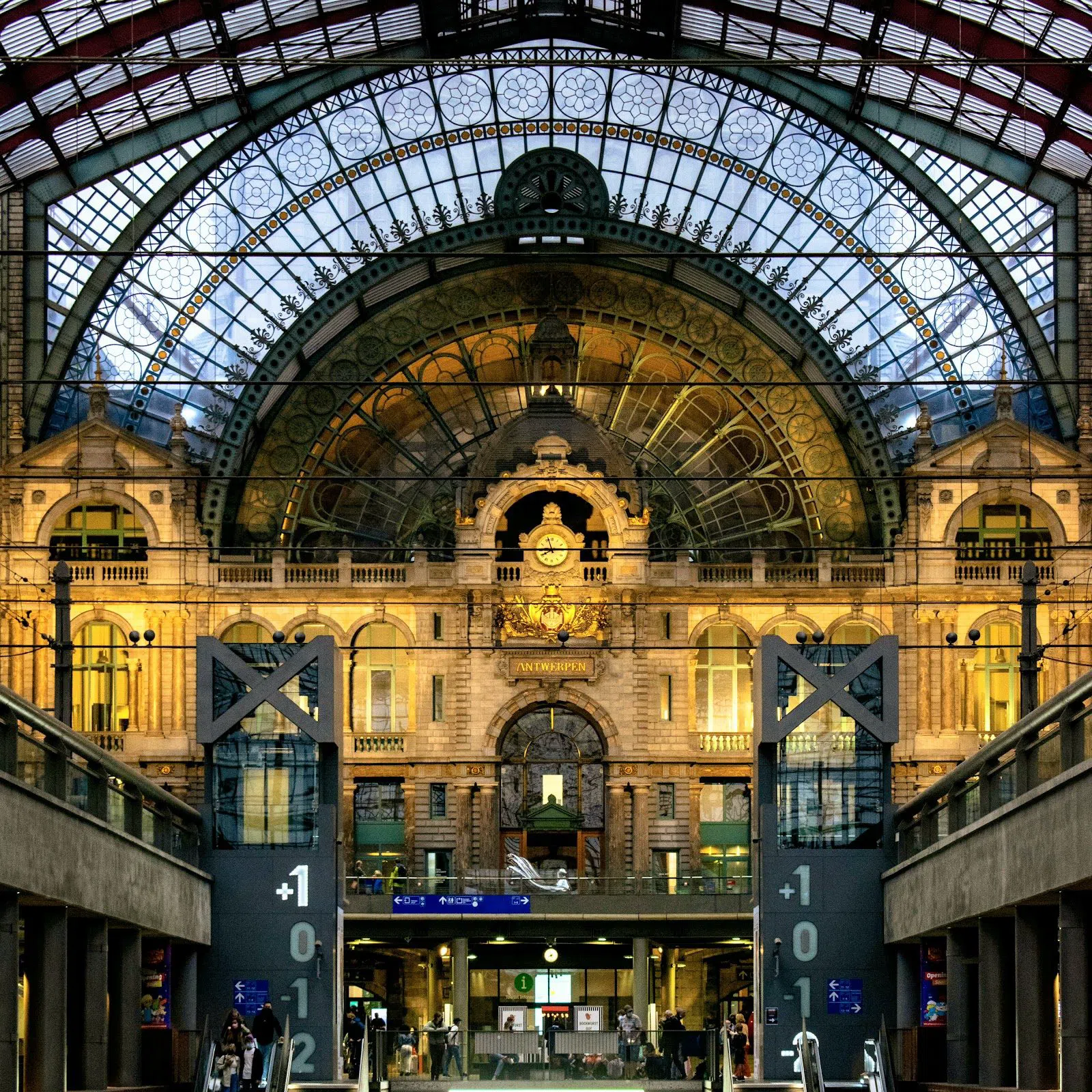
The move here is to do nothing. Stop on the marble staircase for ten minutes, look up at the clock, then down at the platforms sunk below you, and let the day start slowly. Most people cross this hall at walking-to-work pace and spend the rest of the afternoon chasing an atmosphere they left behind at the entrance.
Plan your Antwerp trip
Live prices from our booking partners.
Free cancellation on many rooms. We may earn a commission when you book.
Chocolate before the walk into town
Directly across the square, Chocolate Nation (Astridplein, opposite the station) is better than its name promises. It runs as a timed route through the building with tasting stops built in rather than bolted on at the exit, which makes it a breakfast-adjacent stop rather than a shop with a queue. Adults pay €19.90, children €14.50, and anyone aged 12 to 25 pays €18.50, the same reduced rate given to groups of 15 or more.
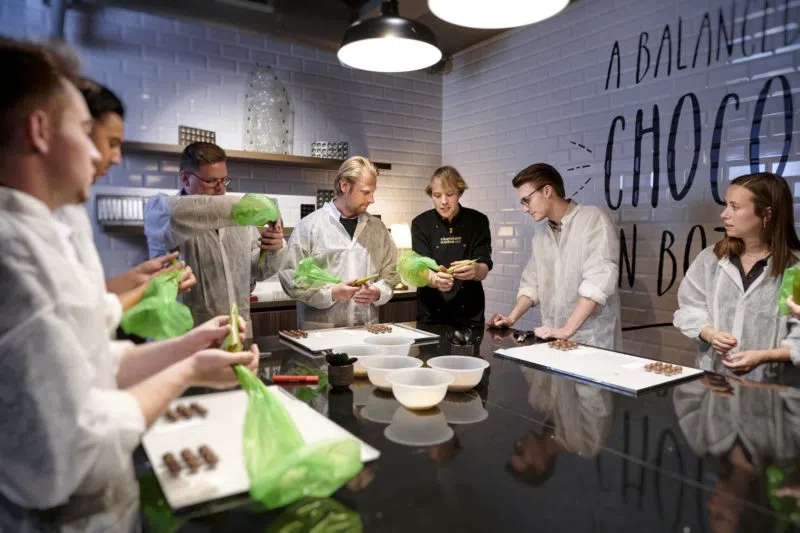
Book a slot online before you travel. It is not a place that rewards turning up and hoping, and an early slot matters here for a structural reason: it is the only ticketed thing on this route that sits on the station side of town. Do it now or drop it. Groups of 15-plus should book together to get the rate applied properly; the staff will not retro-fit it at the desk.
Down the Meir to a garden Rubens actually planted
From Astridplein the Meir carries you into the old centre in about fifteen minutes, and it is worth walking rather than riding. The shopping street is a run of guildhall-scale facades wearing chain-store signage, which tells you most of what you need to know about how rich this port was.
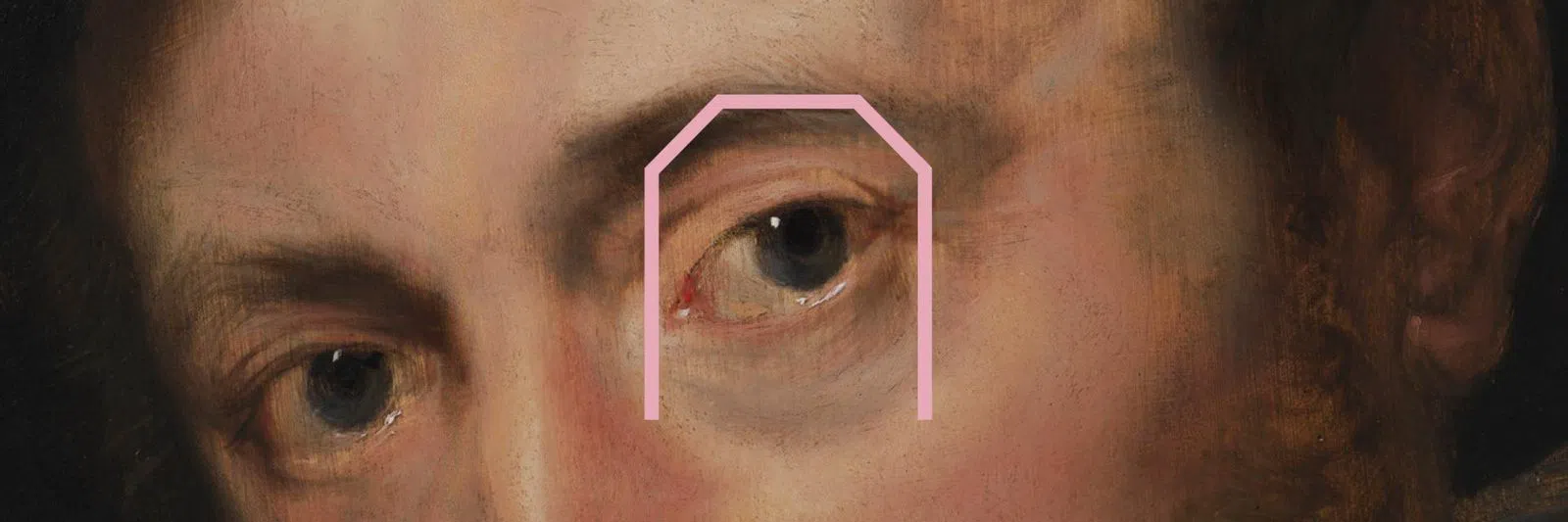
Off it, on the Wapper, is Rubenshuis — Rubens Experience and garden (Wapper, just off the Meir), and this is where you need the honest version. Rubens's actual house is closed for restoration until 2030 at the earliest. What is open, and worth an unhurried hour, is the Rubens Experience, the library, and the walled Italianate garden he laid out himself when he came home from Italy in 1608. Entry is €12 for the Experience and garden together, €8 for the garden alone, €8 for 18 to 25s, and free under 18. It is closed every Wednesday, which is the single most common way this day falls apart. Professional guides can be booked through the group-visits page.
One museum in the fashion quarter, not two
South-west of the Meir the streets narrow into the fashion district, and here you have to choose. Do not attempt both of the following before lunch.
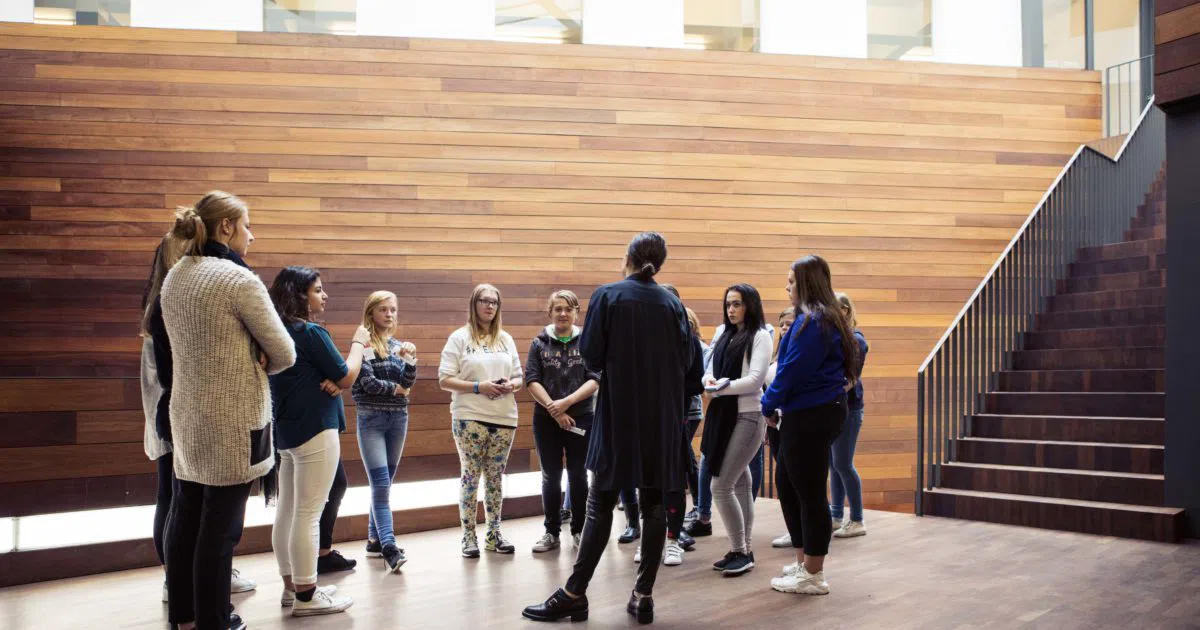
MoMu Fashion Museum Antwerp (Nationalestraat, fashion district) is the stronger booking of the two at the moment. Antwerp invented a fashion language in the early 1980s and this is where it is kept; the exhibition on the Antwerp Six runs to January 2027, and it is the rare fashion show that is about construction rather than celebrity. Tickets are roughly €12 to €16 depending on the exhibition, timed and online. Pre-book if there are more than a couple of you, and use the dedicated groups programme for anything larger.
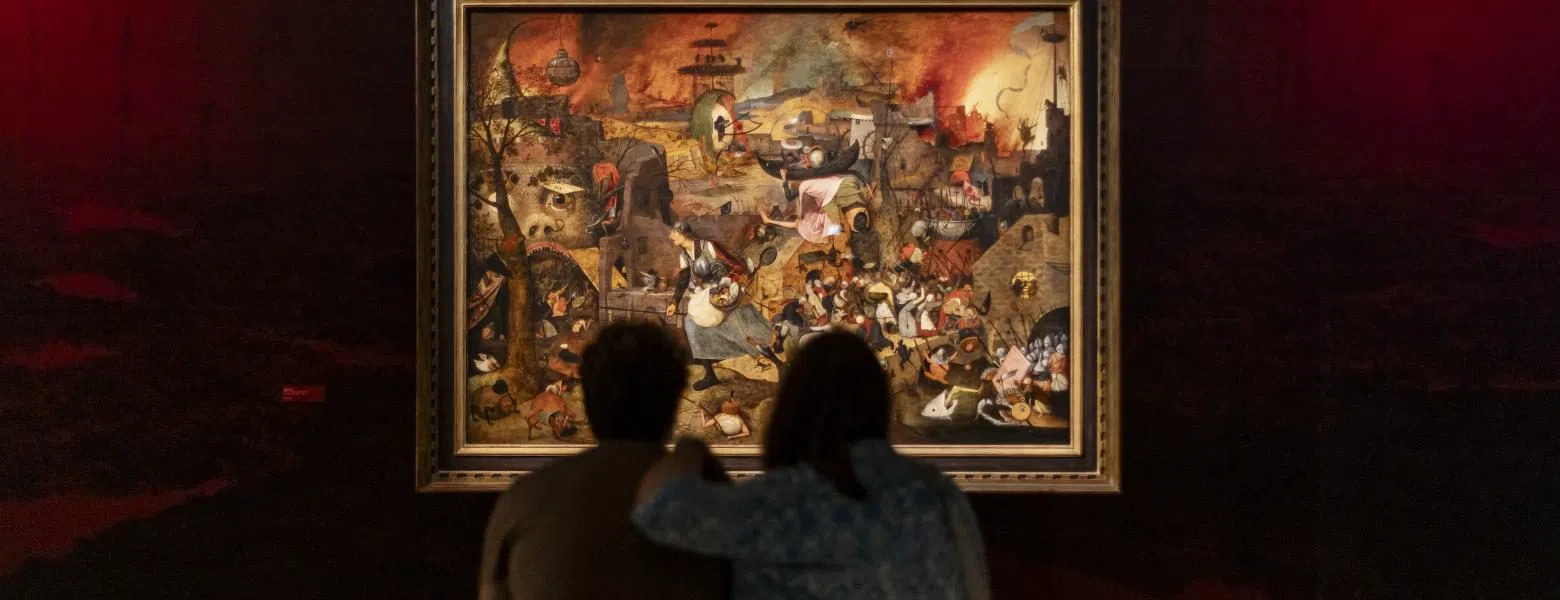
Museum Mayer van den Bergh (at the Maagdenhuis) is the alternative, and the detail that matters most is this: the museum's own house is closed for renovation and the collection is showing as Beloved at the Maagdenhuis, a hundred metres away. Go to Lange Gasthuisstraat 33, not 19. Bruegel's Dulle Griet is there, and standing in front of a painting from around 1563 that has been in the same small private collection since the 1890s is a different order of experience from seeing it in a catalogue. Entry is €10 for adults 26 and over, €6 for 18 to 25s and for groups of 12 or more, free under 18, on timed slots bought online, so groups must pre-book.
The cathedral hour, and what is not in it
Walk north-west and the tower finds you before the square does. The Cathedral of Our Lady (Onze-Lieve-Vrouwekathedraal) (Handschoenmarkt, beside the Grote Markt) carries the tallest church tower in Belgium and, inside, the Rubens triptychs that are the reason half the visitors to this city come at all. Entry is €12, or €10 for groups of 20 or more, students and over-60s; under 18s are free.
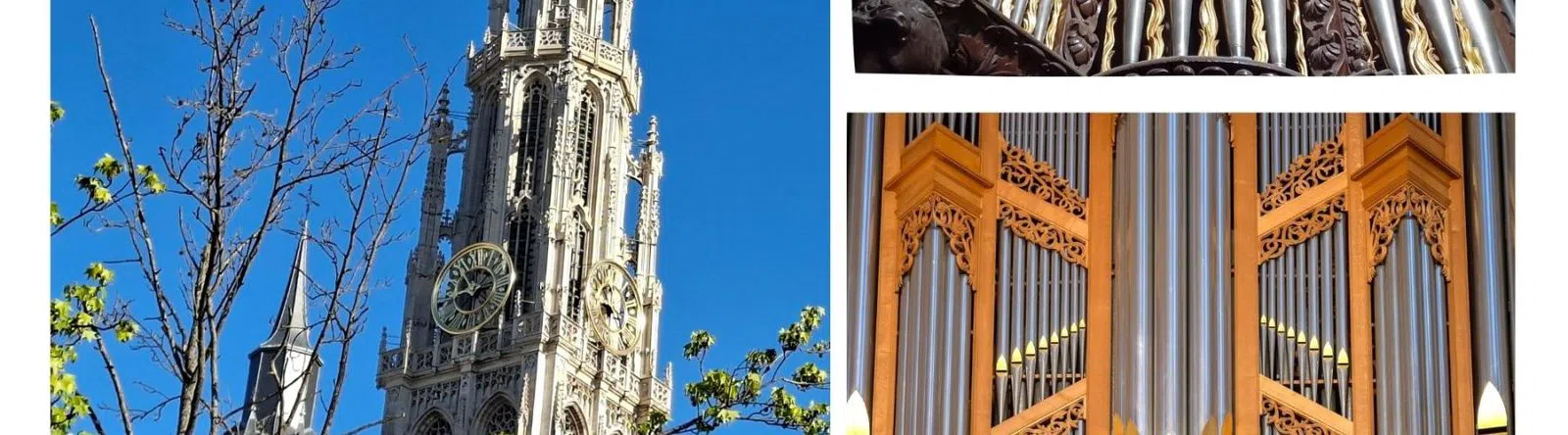
One disappointment to know about before you are standing in the room: his epitaph triptych is away under restoration and not currently on display. Everything else is there, and an hour is right, long enough to see the Raising and the Descent properly, short enough that you leave with attention left over. Opening hours shift around services, so check the day you are going rather than assuming an afternoon slot exists.
Lunch standing up
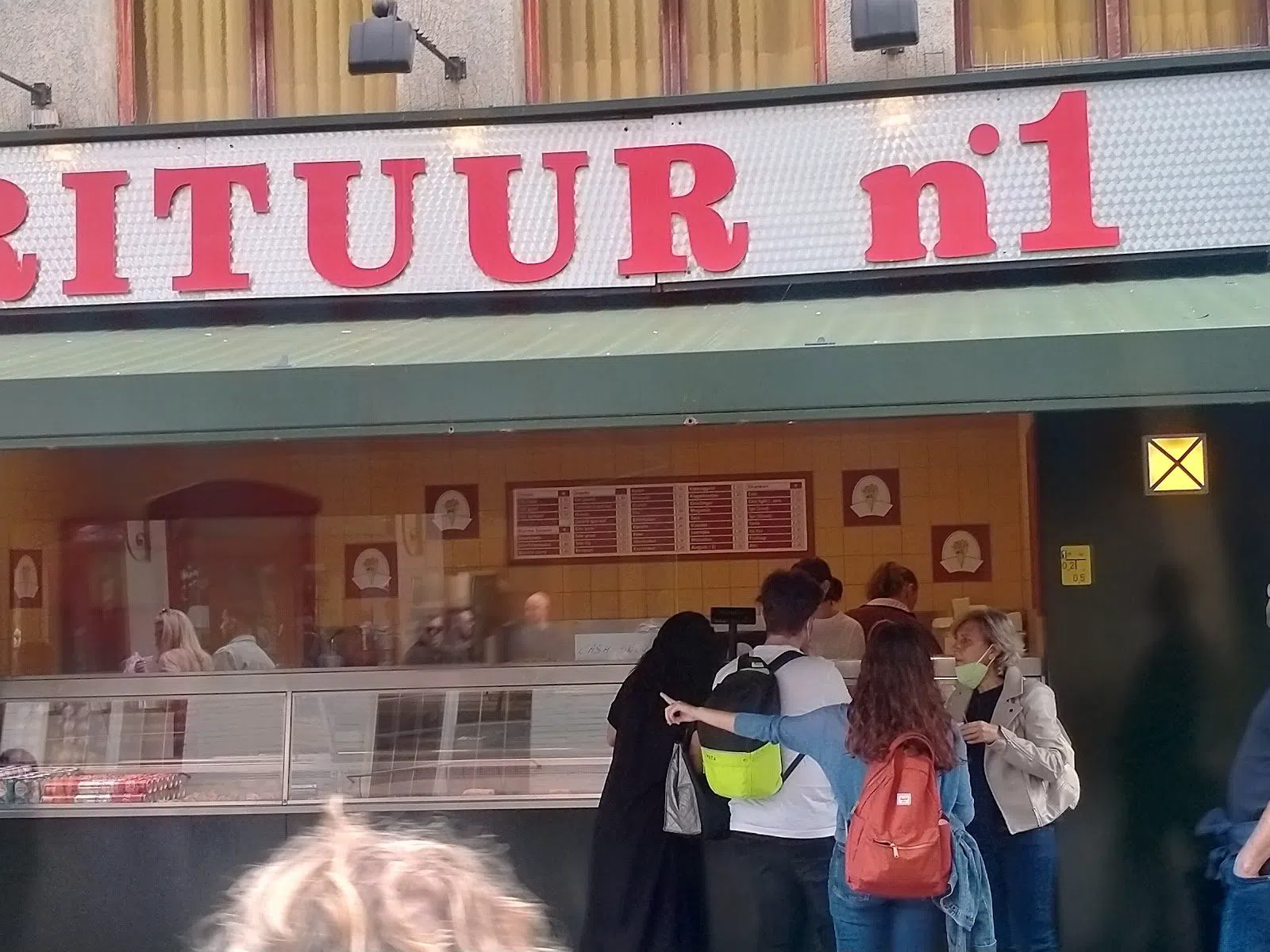
Frituur No. 1 (a short walk from the Grote Markt) is the honest correction to a morning of ticketed rooms. Counter service, no bookings, €5 to €10, and open from 11am until 4am, which also makes it the answer to a question you will have again at one in the morning. Seating is minimal, so a group eats standing on the pavement like everyone else. Order them with mayonnaise, do not apologise for it, and do not plan to sit down.
Two o'clock, and only two o'clock
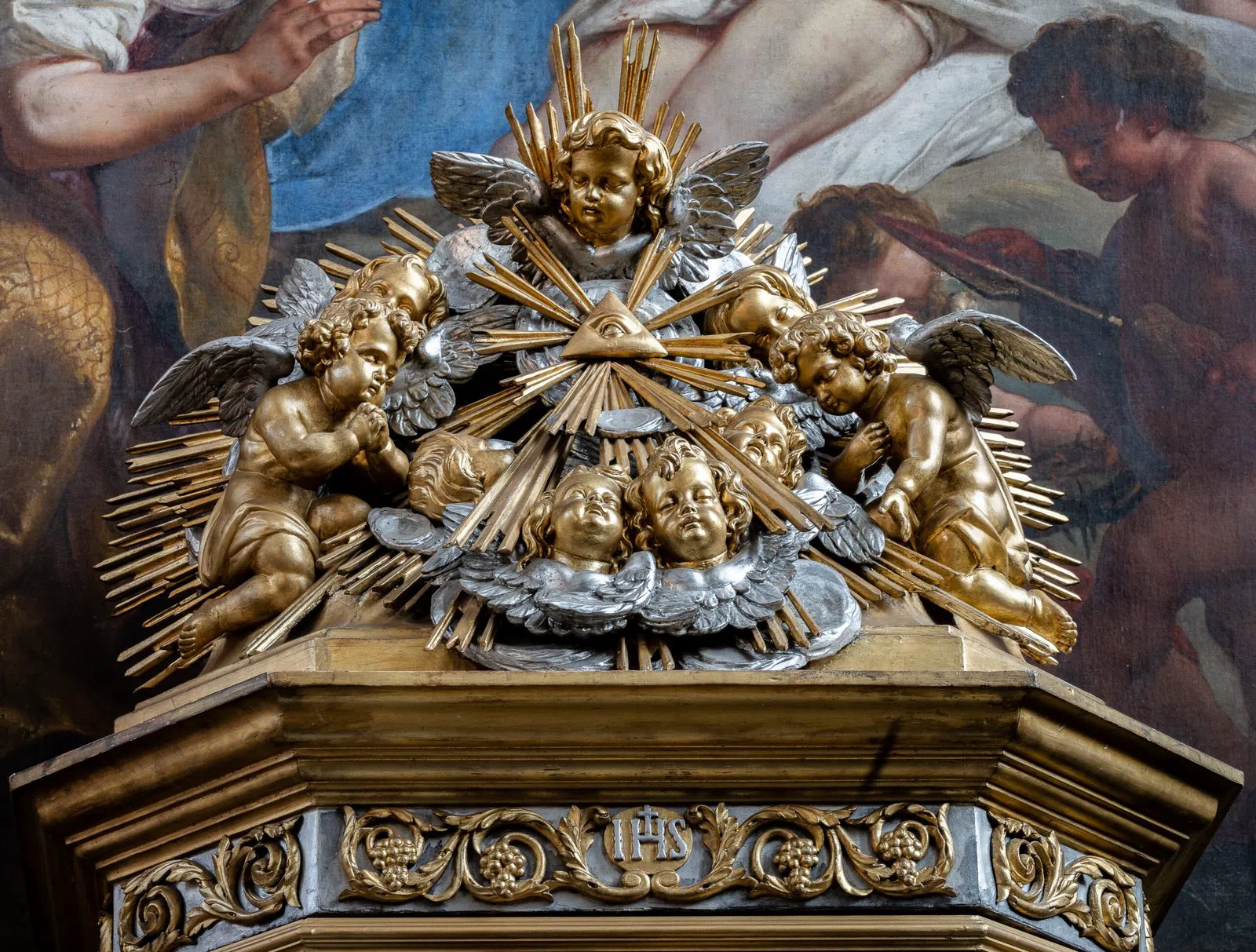
St Paul's Church (Sint-Pauluskerk) (Veemarkt, a few minutes north of the Grote Markt) is the quiet counterweight to the cathedral queue, and the reason it sits here in the day is fixed: in summer it opens 2pm to 5pm, daily, and that is the whole window. Inside, Rubens, Van Dyck and Jordaens hang together in a single room, three names that would headline a national gallery, in a working parish church with almost nobody in it. Admission is small, and free for under 19s and for A-card and Antwerp City Pass holders.
Small groups walk straight in. Larger guided parties should arrange in advance through the church or through TOPA rather than arriving in a block and hoping.
The river, and the walk under it
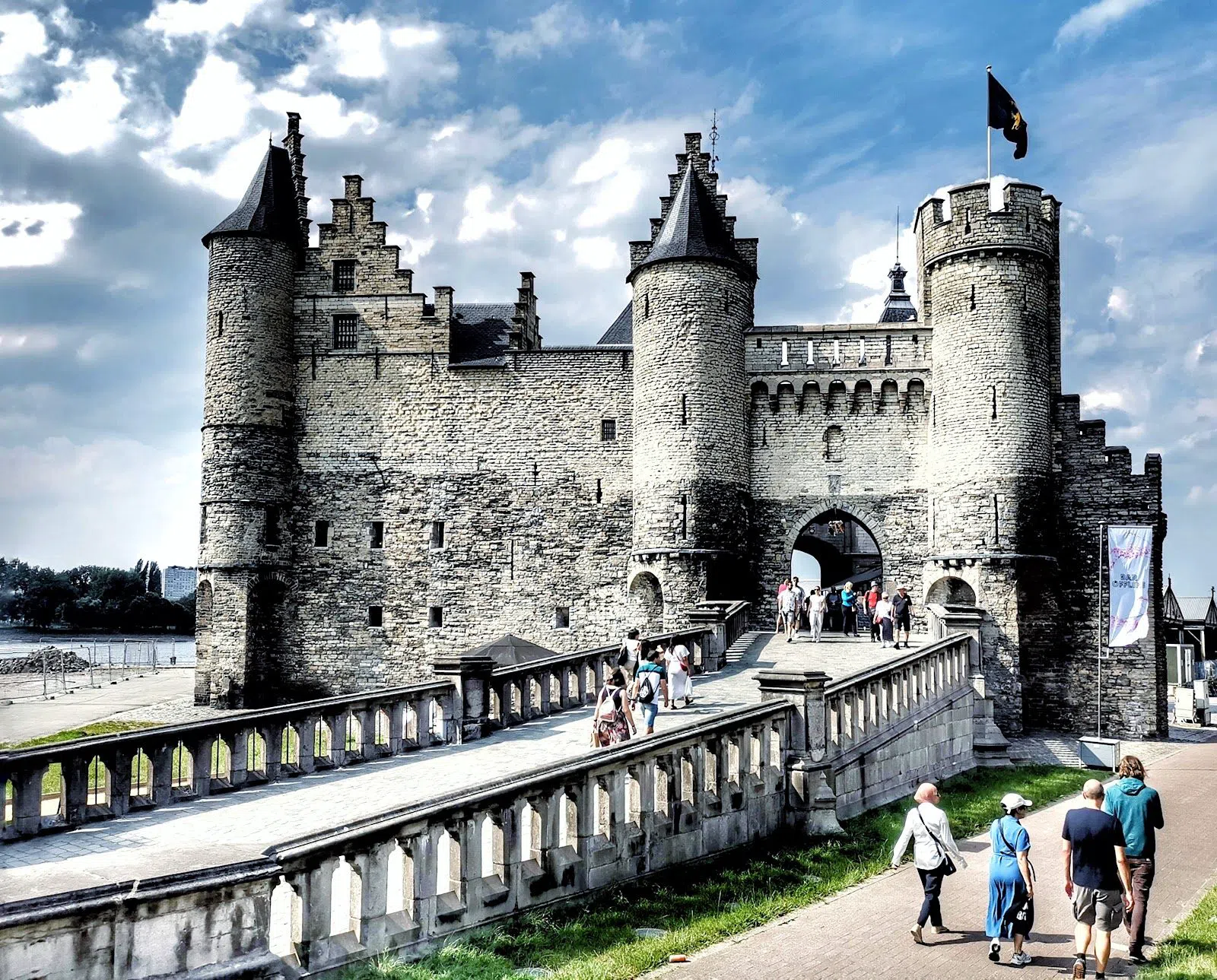
Ten minutes west and you are at the water. Het Steen (riverside, below the Grote Markt) is the city's oldest building and its most useful free viewpoint: the visitor centre and the panoramic rooftop cost nothing, and the paid Antwerp Story exhibit is €7 for adults, €5 for ages 6 to 18. This is also the place to fix anything that has gone wrong with your plan, because the staff at the desk actually know what is open today.
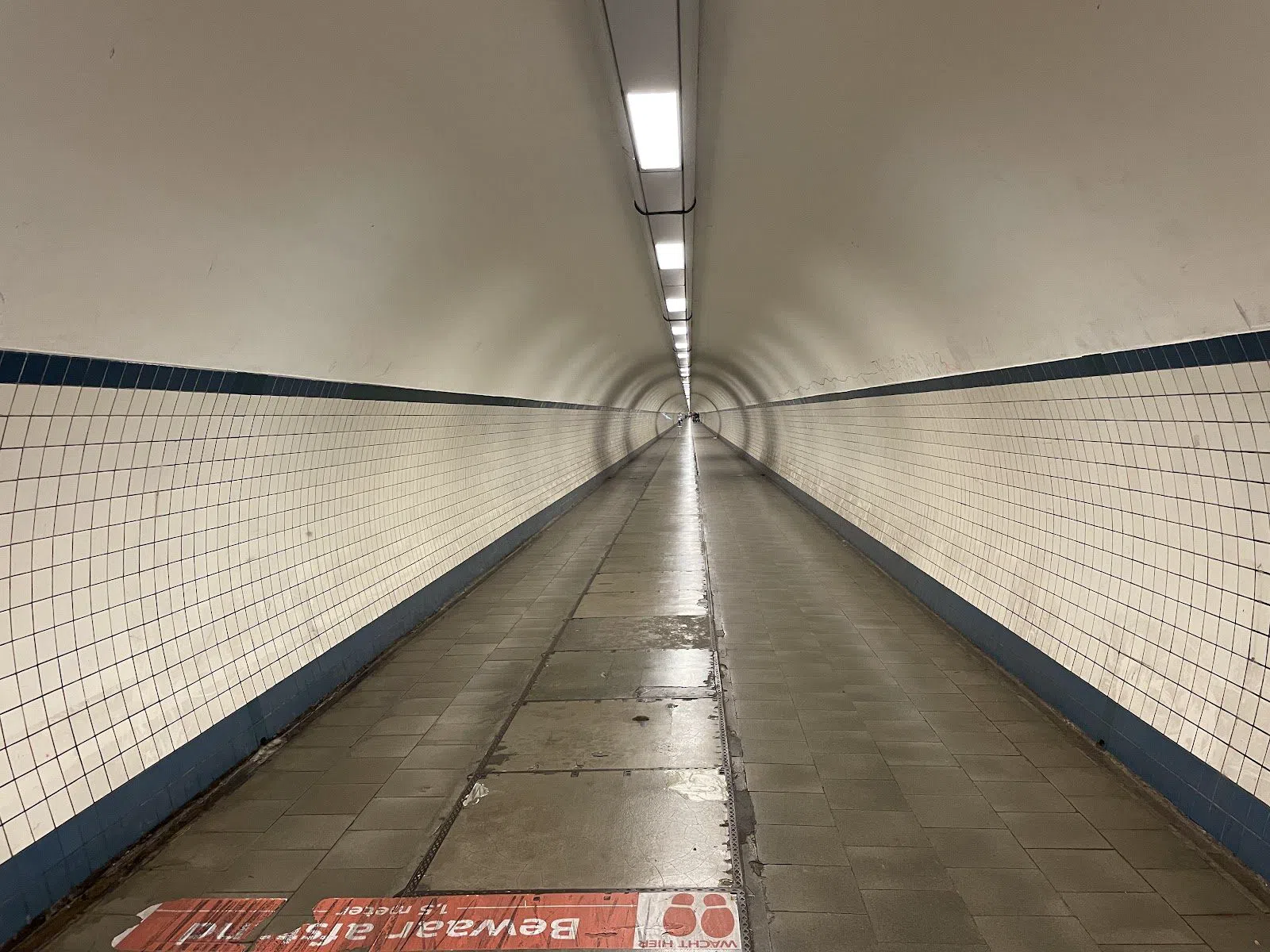
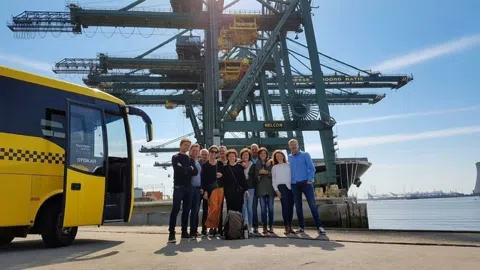
Then walk south along the quay to the Sint-Annatunnel (St Anna's pedestrian tunnel) (Sint-Jansvliet, riverside), and take it. It is free, open 24 hours, needs no ticket, and drops you under the Scheldt on restored 1930s wooden escalators, among the last working examples anywhere. Groups of any size are fine, but the escalators take people single file, so you will arrive at the bottom strung out rather than together. Twenty minutes gets you across, out onto Left Bank, and standing in front of the postcard view back at the city, the skyline everybody photographs and few people have walked to. It costs nothing and it is the part of the day people remember.
The fork you have to make
Here the day splits, and pretending otherwise is how guides produce itineraries nobody can walk. You can go south to Zuid for art and beer, or north to the docks for the free sunset. You cannot do both, at least not unhurriedly.
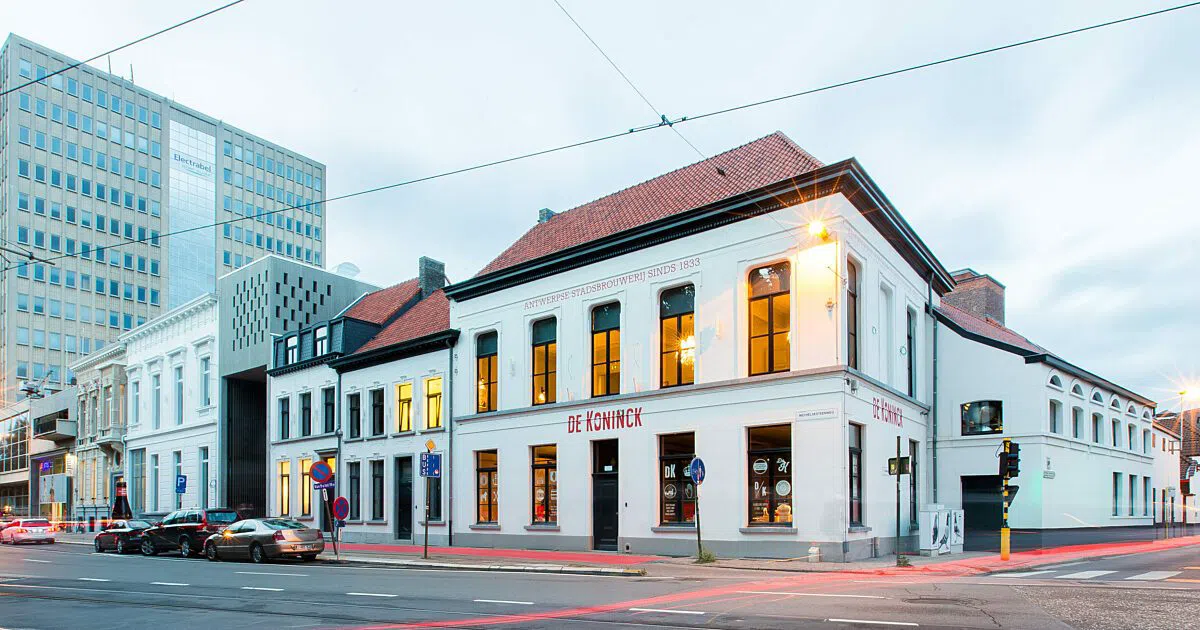
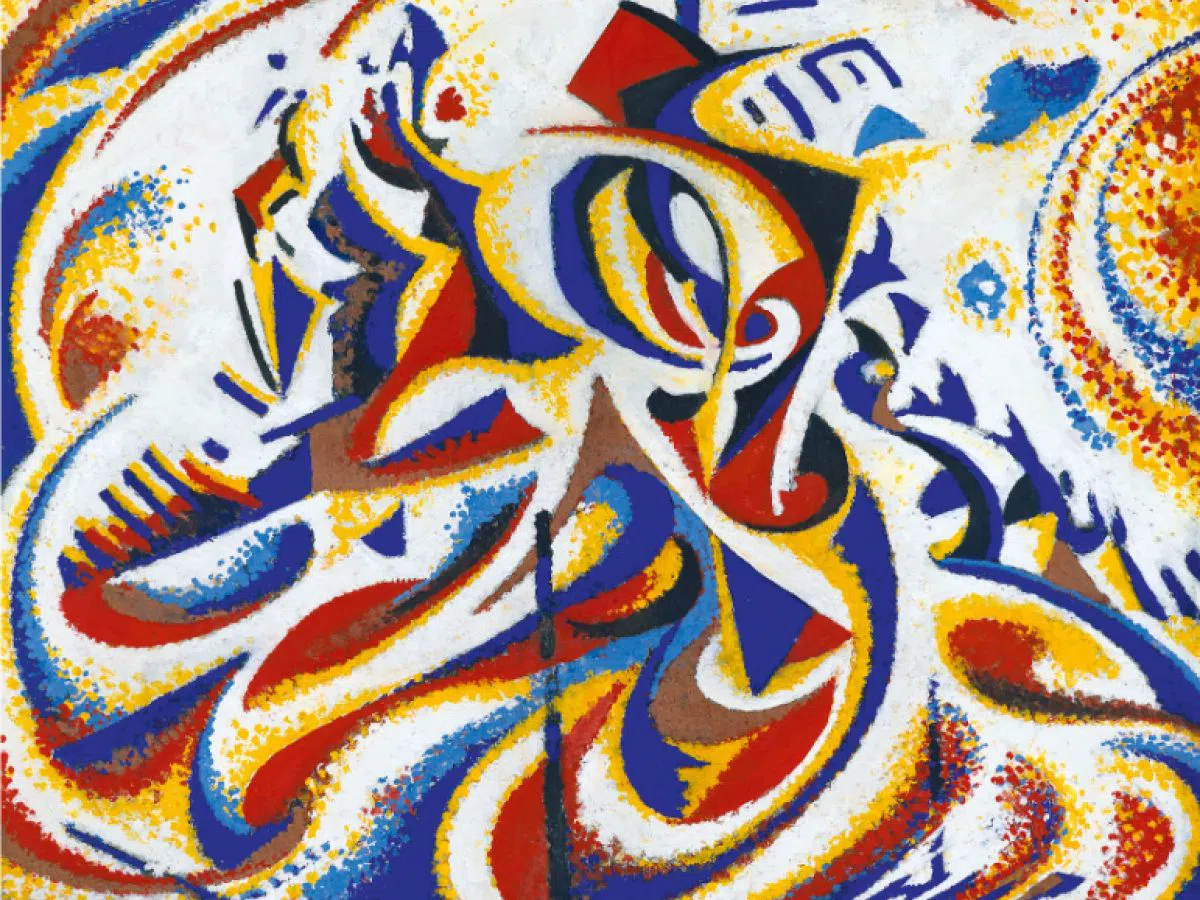
South: KMSKA (Royal Museum of Fine Arts Antwerp) (Zuid) is the best museum interior in Belgium since the 2022 rebuild: Ensor, Rubens and Fouquet in the restored old halls, then a white wing folded in overhead. Around €20 for adults, free under 18, with a full groups programme and guided tours if you book ahead. Budget two hours or skip it outright; it punishes a fast lap. A short walk away, De Koninck Antwerp City Brewery (Zuid) runs a self-guided tour of about ninety minutes for roughly €18 including two tasters, with tasting packages at €29 to €36.50. Self-guided is the point (nobody herds you), and the bolleke at the end is the city's own glass. Walk-ins are fine; online booking becomes mandatory at 15 people or more.
North: MAS (Museum aan de Stroom) (Eilandje, the old dock quarter) is the unhurried ending. The escalator boulevard spiralling up the outside of the building and the rooftop panorama are free with no gate at all, open Tuesday to Sunday until 10pm and midnight in summer. The galleries are €12 if you want them; most people on a one-day visit should not. It is closed Mondays, which is worth checking before you build an evening around it.
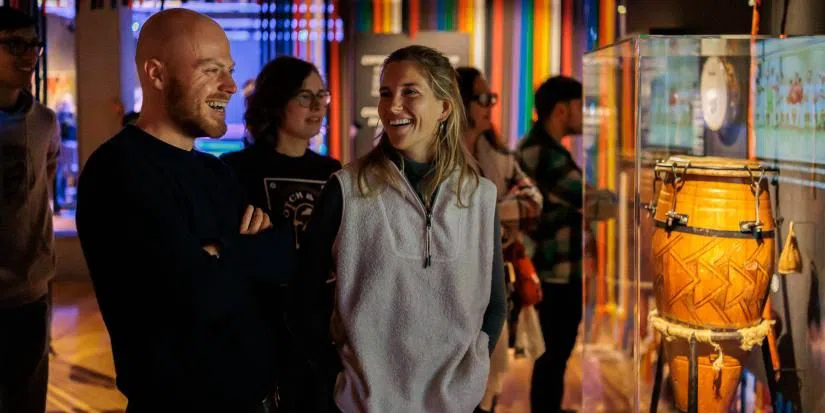
My own preference, on a first day, is north. KMSKA deserves its own morning.
Where the evening actually goes
Billie's Bier Kafétaria (fashion district end of the old centre) is the unpretentious counterweight to the beer cafés on the tourist squares: around 180 Belgian and foreign beers and proper Belgian plates, so a group can eat and drink in one stop without a reservation. Beers run €5 to €9 and mains €18 to €25. It is closed on Tuesdays.
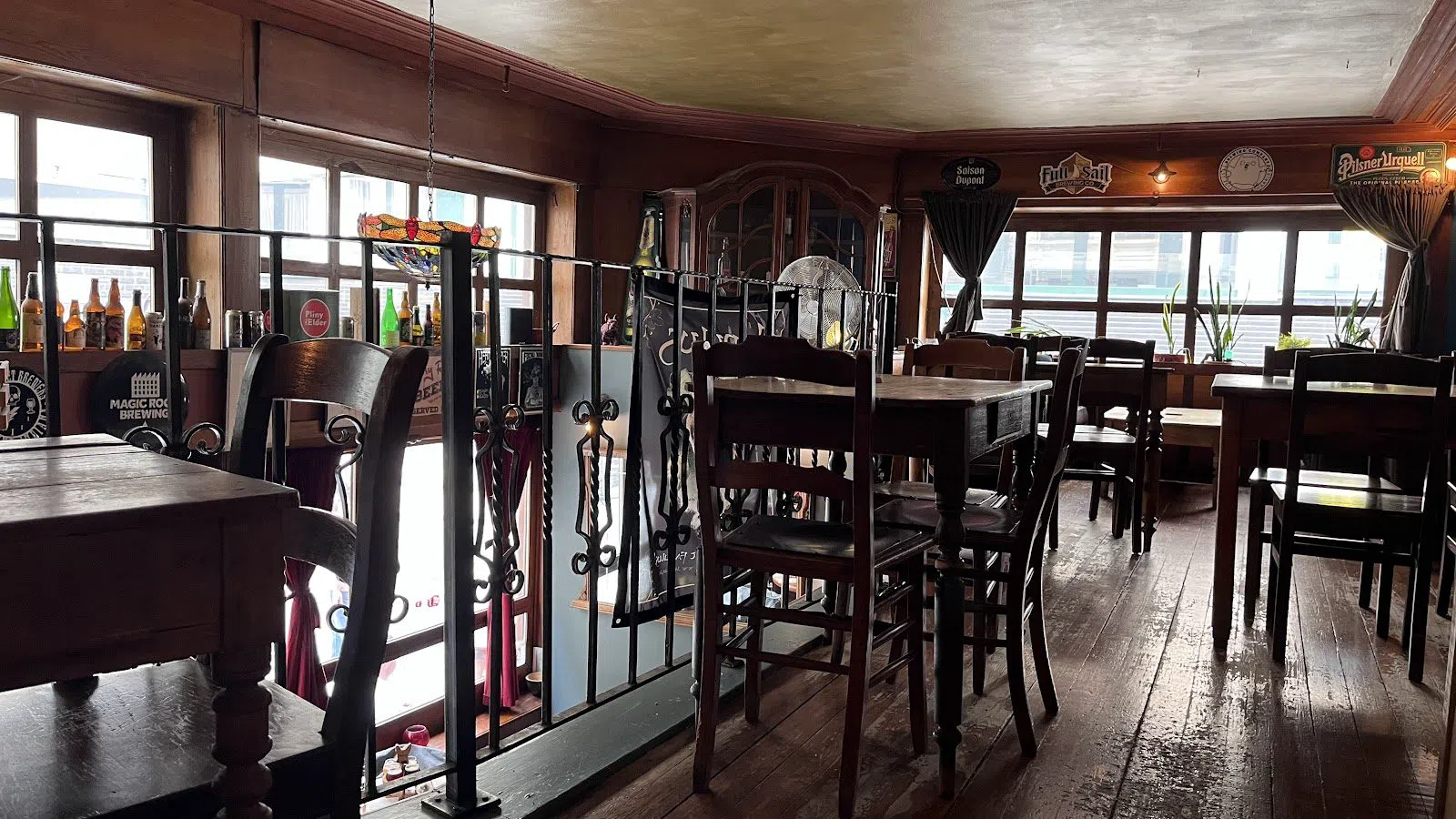
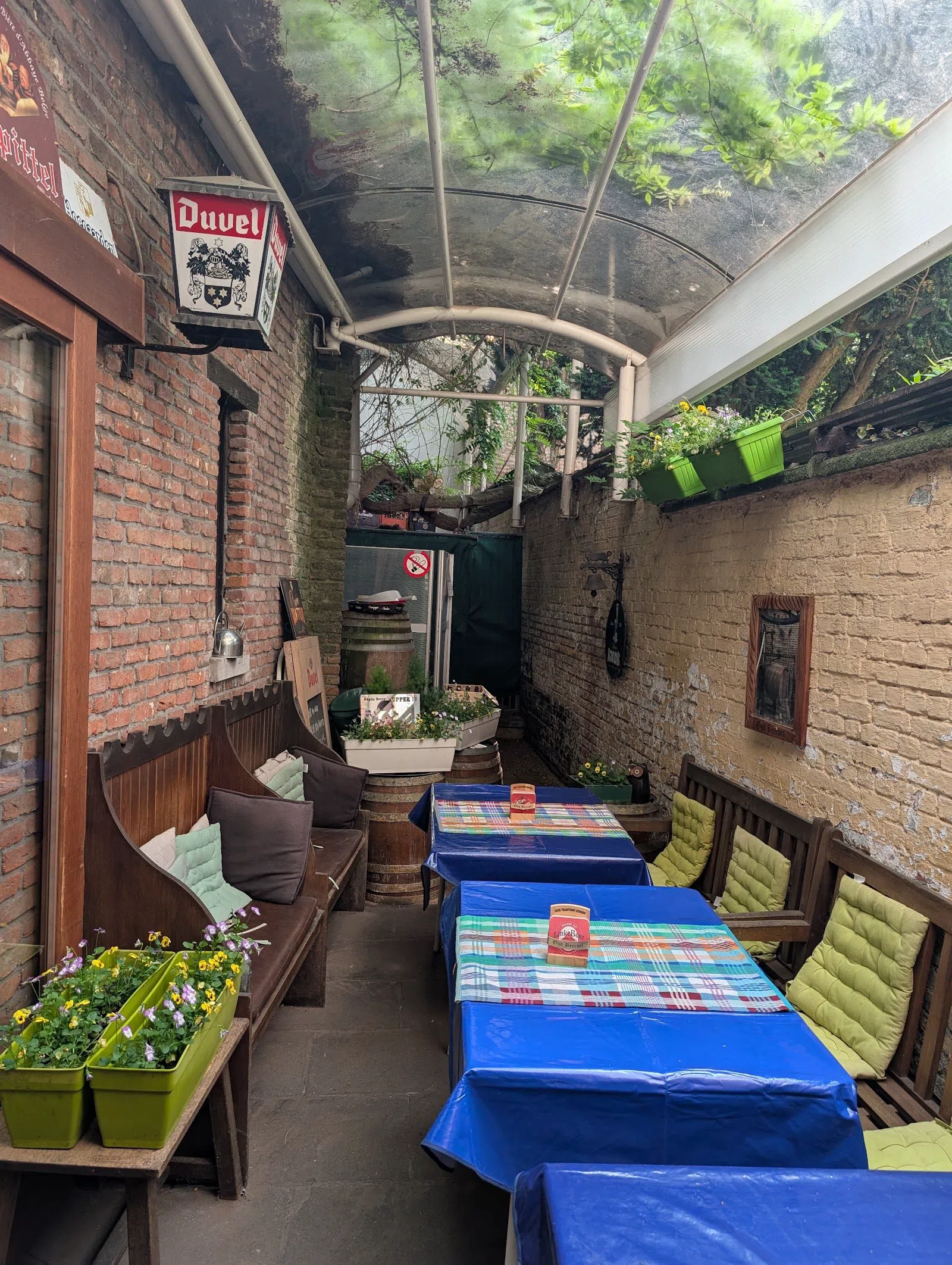
Kulminator (a few streets south of the cathedral) is a legend for aged Belgian beer, with a cellar list a decade deep and bottles from €5 to €15, far more for old vintages. It also comes with a hard warning: you ring the bell to be let in, and you can be turned away if the room is already full. Two or three people, no bookings, no arriving mob-handed. Treat it as a possibility, not a plan.
Le Pristine (fashion district) is the softest landing. Sergio Herman's Italian-leaning room sits in the MICHELIN Guide and dinner runs €60 to €100 a head with a group booking possible. The useful part for this particular day is the front cocktail bar, which serves drinks and snacks all day with or without a reservation. A day built around not rushing should be allowed to end without one.
Practical notes
Getting around. You will walk almost all of this; the whole route is under six kilometres end to end. De Lijn trams and buses cover the two legs that hurt (station to Zuid, and old centre to Eilandje), and app tickets cost less than buying from the driver. There is no water crossing to pay for: the Sint-Annatunnel is the crossing.
Money. Everything is priced in euros and cards work almost everywhere, but carry €20 in coins and notes for the friture and for the small admission at St Paul's. On tickets alone, a lean version of this day is genuinely free (station, Het Steen, the tunnel, the MAS roof); a normal version lands around €45 to €60 a head, and adding KMSKA plus a brewery tasting takes it past €90.
Which day. Avoid Monday if you want MAS, Wednesday if you want Rubens's garden, and Tuesday if you want Billie's. St Paul's only opens 2pm to 5pm in summer, so the afternoon has one fixed pin in it and everything else bends around it.
Staying over. One day works, but the day improves enormously if you sleep in the centre and start on foot rather than off a train. Compare rates with an Antwerp hotel search and read the wider Antwerp guide if you are extending to two.
Booking ahead. Chocolate Nation, MoMu and Mayer van den Bergh are all timed-slot; Rubenshuis and KMSKA are calmer but still better booked. Everything else on this route (the station, the cathedral square, the friture, the river, the tunnel, the MAS roof) you simply walk into, which is what makes an unhurried day here possible at all.
Before you go
Is one day really enough for Antwerp?
For a first visit, yes: the old centre, the river and the dock quarter are all within a six-kilometre walk, and this route covers them without a taxi. What one day cannot absorb is KMSKA, which needs two hours of its own. If you want the fine-art museum properly, either give it a second morning or drop the Zuid leg and take the free MAS rooftop instead.
Which day of the week should I avoid?
MAS shuts on Monday, and the free rooftop with it; Rubenshuis on Wednesday, which costs you the walled garden; Billie's Bier Kafétaria on Tuesday. Nothing closes the cathedral outright, but its hours shift around services, and St Paul's opens only 2pm to 5pm daily in summer, the one fixed appointment in the day.
Can I visit Rubens's actual house?
No. The house itself is shut for restoration until 2030 at the earliest. What is open is the Rubens Experience, the library and the walled garden he laid out himself, at €12 for the Experience and garden or €8 for the garden alone, free under 18. It is an hour well spent, but go in knowing you are not walking through his rooms.
What does this day cost per person?
A free version is genuinely possible: Central Station, Het Steen's visitor centre and rooftop, the Sint-Annatunnel and the MAS boulevard and roof all cost nothing. A normal version with Chocolate Nation, one museum and the cathedral lands around €45 to €60. Add KMSKA at roughly €20 and a De Koninck tasting from €18 and you are past €90 before dinner.
Does this route work for a group?
Mostly. Chocolate Nation, MoMu and Museum Mayer van den Bergh are timed-slot and must be pre-booked as a party; Chocolate Nation and the cathedral give reduced rates at 15 and 20 people respectively; De Koninck requires online booking at 15 or more. Two places do not suit groups: Frituur No. 1 has almost no seating, and Kulminator is a bell-entry room for two or three people that will turn a crowd away at the door.