The Antwerp issue
The Square Kilometre That Cuts the World's Diamonds
A slow walk through Antwerp's diamond quarter — the most valuable, most secretive few streets in Europe, and how to read them without getting fleeced.

By Tomás AlmeidaA city read one street at a time
Step off the train at Antwerpen-Centraal and you are already inside the story. Beyond the ticket hall, past the last café, four narrow streets fold around a stretch of pavement where, on any working weekday, something like eighty percent of the world's rough diamonds change hands — and yet the whole thing is so undramatic, so grey and shuttered, that most travellers walk straight through it toward the old town without noticing. That contrast is the district: a square kilometre that decides the price of stones mined on three continents, hidden in plain sight behind roller shutters and reinforced glass.
This is a walk, not a shopping list. Take it in order and the quarter starts to make sense — where to actually watch a stone being cut, where to buy without the street-tout risk, which doors welcome a coach party and which want a quiet appointment for two, and where to eat food that has fed this community for a century. It rewards curiosity and punishes a Saturday visit, when the observant heart of the neighbourhood closes. Plan for a Tuesday-to-Friday morning and you will see it awake.
Start under the dome
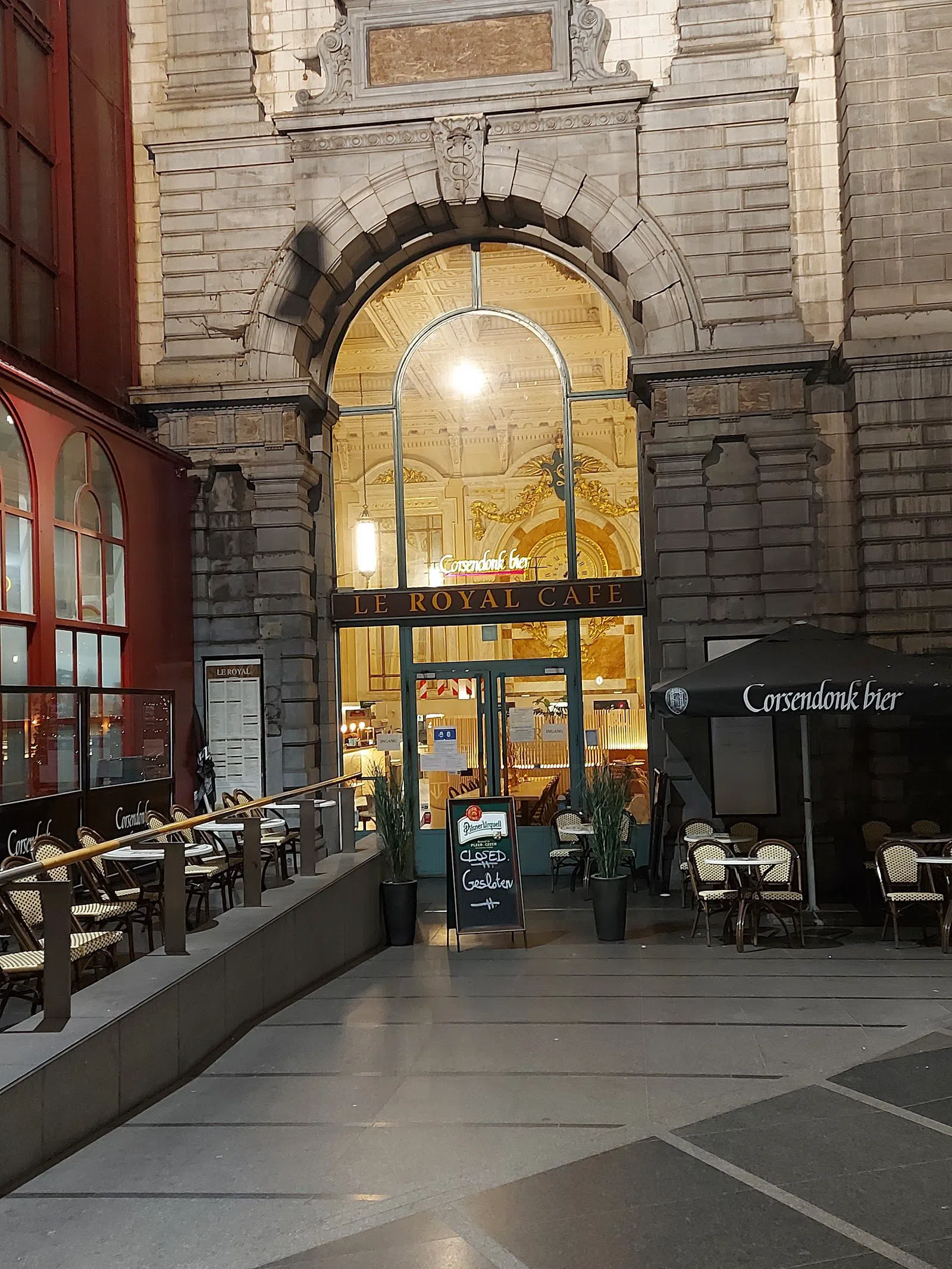
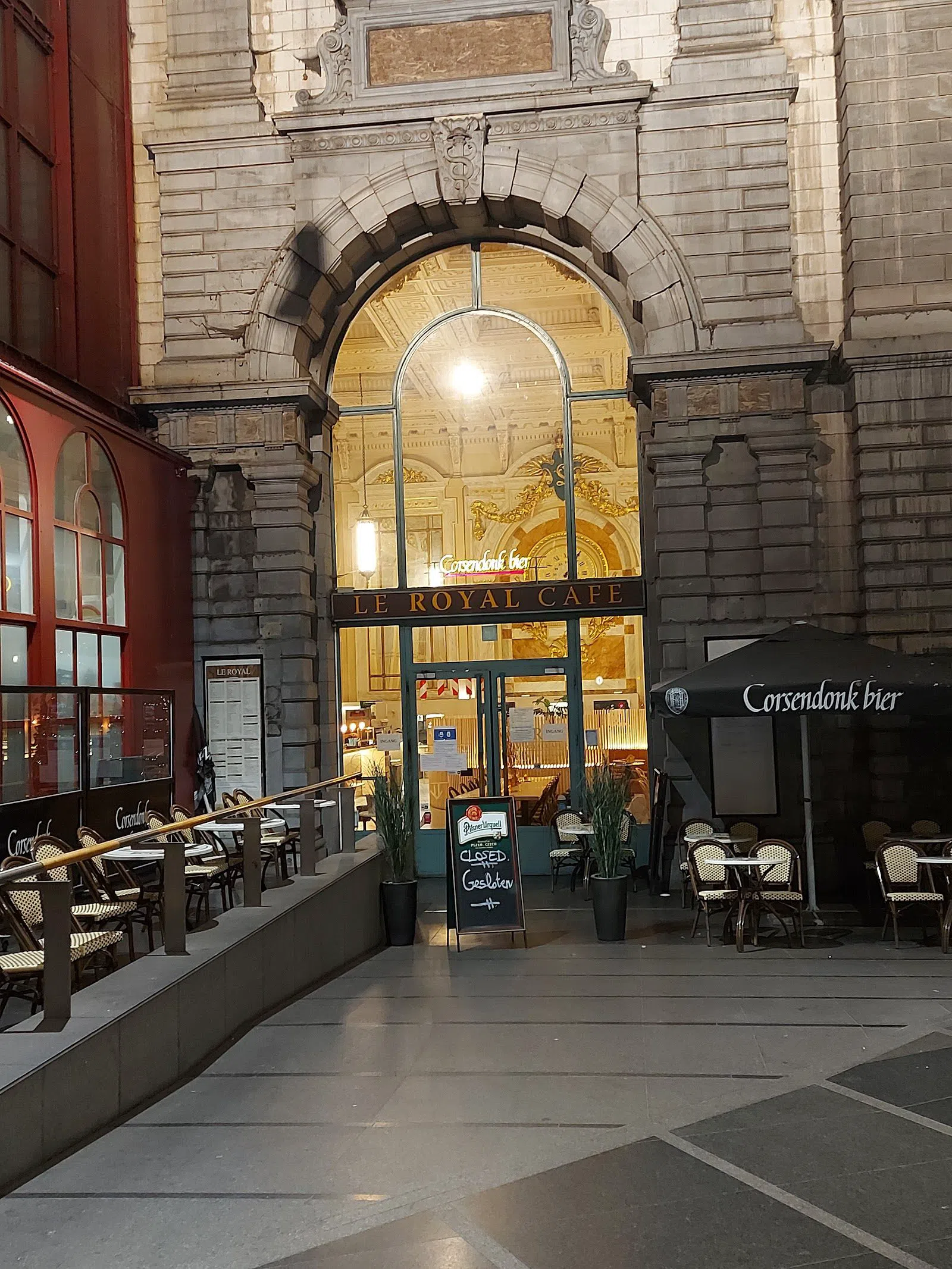
Begin where everyone begins, because for once the obvious opening is the right one. Antwerpen-Centraal (Central Station), with its stone-and-iron dome and gilded staircase, is routinely called one of the most beautiful stations on earth, and it functions as the literal front door of the diamond quarter — the four trading streets begin within a two-minute walk of the platforms. It is free to walk through, open to anyone with a train ticket or none, and the natural muster point: guided walking tours and group visits gather under the dome, and it costs nothing to stand in the ticket hall and simply look up before you go hunting for diamonds.
Give it ten minutes. The station is the first exhibit — a monument built when Antwerp's wealth, much of it cut and traded in the streets you are about to walk, needed a cathedral to arrive in. Then walk out the eastern side, toward Pelikaanstraat and Hoveniersstraat, and the marble gives way abruptly to plate glass and pawn-shop lighting. That drop in glamour is not a wrong turn. It is the district being honest about itself: the money here is in the stones, not the shopfronts.
Plan your Antwerp trip
Live prices from our booking partners.
Free cancellation on many rooms. We may earn a commission when you book.
Watch a stone being cut
Before you buy anything, understand what you are buying. The single most tourist-friendly way to do that is Diamondland, a large showroom a short step from the station that runs free guided visits Monday to Saturday. You watch cutters at work, get the four Cs — carat, cut, colour, clarity — explained in plain language, and are under no obligation to buy a thing. It explicitly welcomes groups, which makes it the sane choice for families and coach parties; in peak season it is worth booking ahead so a guide is free when you arrive.
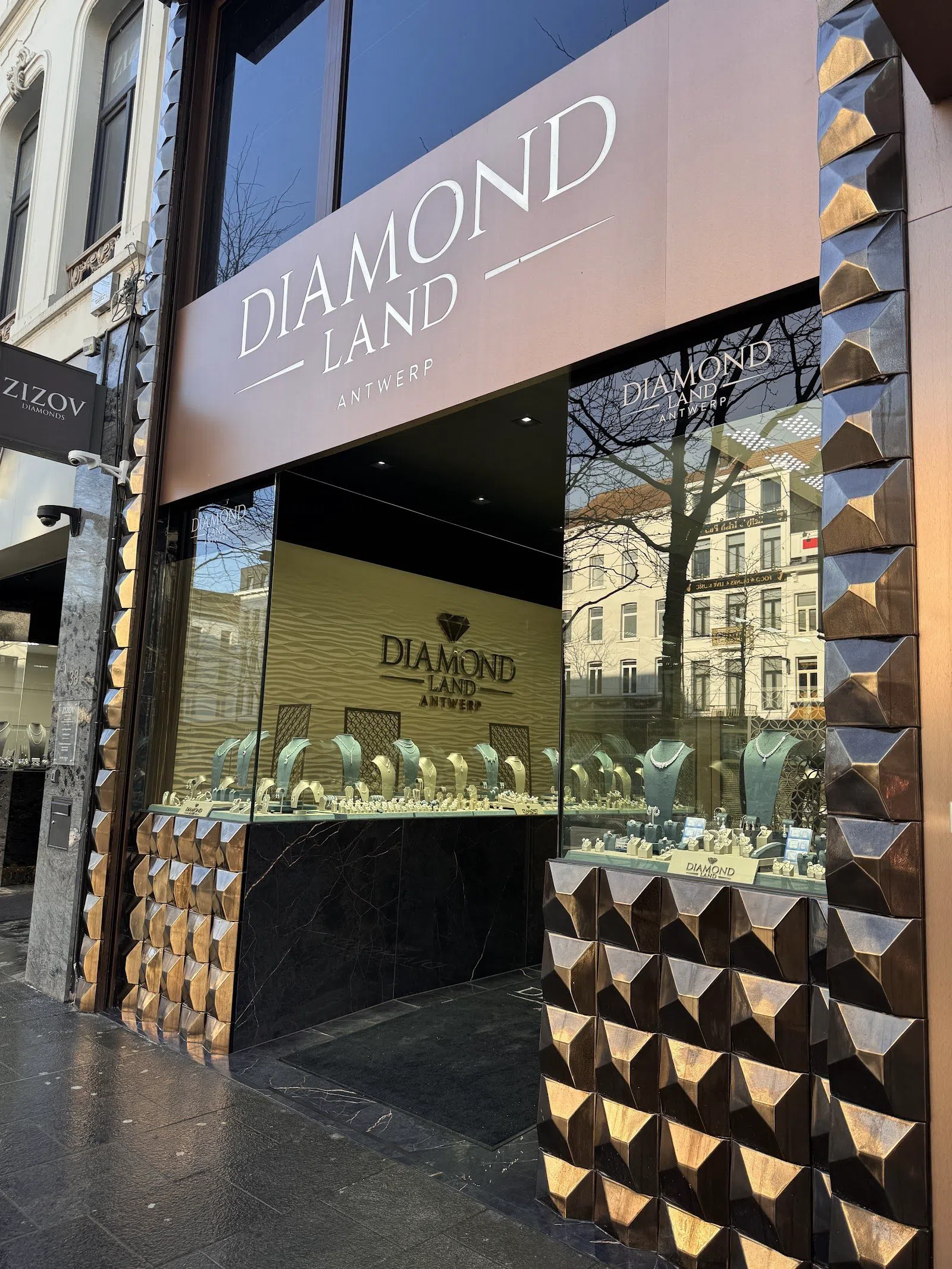
Treat it as a lesson, not a purchase. The value of an hour here is that it inoculates you against everything that can go wrong further down the street. Once you have seen how much a single grade of colour or a hair's-width of clarity moves the price, the aggressive pavement patter that occasionally works this district loses its grip. You will know what a certificate is for, why 'we cut out the middleman' is meaningless in a place that is nothing but middlemen, and roughly what a fair mark-up looks like. That knowledge is the real souvenir, and it is free.
The 'why here?' — a short walk into the old centre
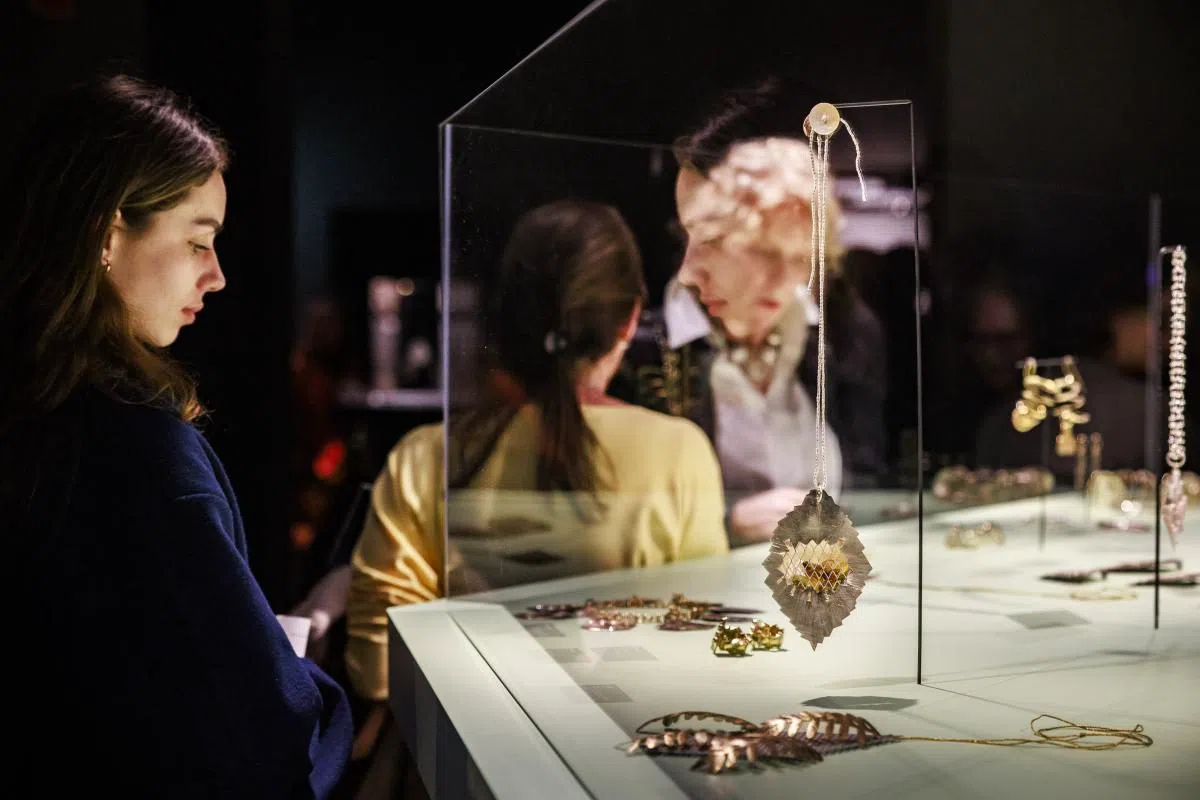
With the basics in hand, walk ten minutes into the old town to DIVA — Museum for Diamonds, Jewellery & Silver, the city's official home of the trade. It is the best answer to the question the whole quarter provokes: why Antwerp, a Belgian port with no diamond mines within two thousand miles? The museum tells that story — the merchant networks, the cutting craft passed down through generations, the accident of history and skill that made a landlocked commodity settle in a North Sea port — through rooms of jewellery and silver and a strong sense of theatre.
Adult entry runs around €12, entry is by timed slot, and it is closed on Wednesdays, so check the day before you build a plan around it. Group visits and guided tours are bookable and worth it; a guide turns a handsome collection into a coherent argument. Budget an hour, maybe ninety minutes. Do it after Diamondland and before you shop, because DIVA supplies the 'why here' that makes the closed trading streets legible rather than merely secretive. Then walk back toward the quarter to spend, if spending is on your list.
Buying without the street-tout risk
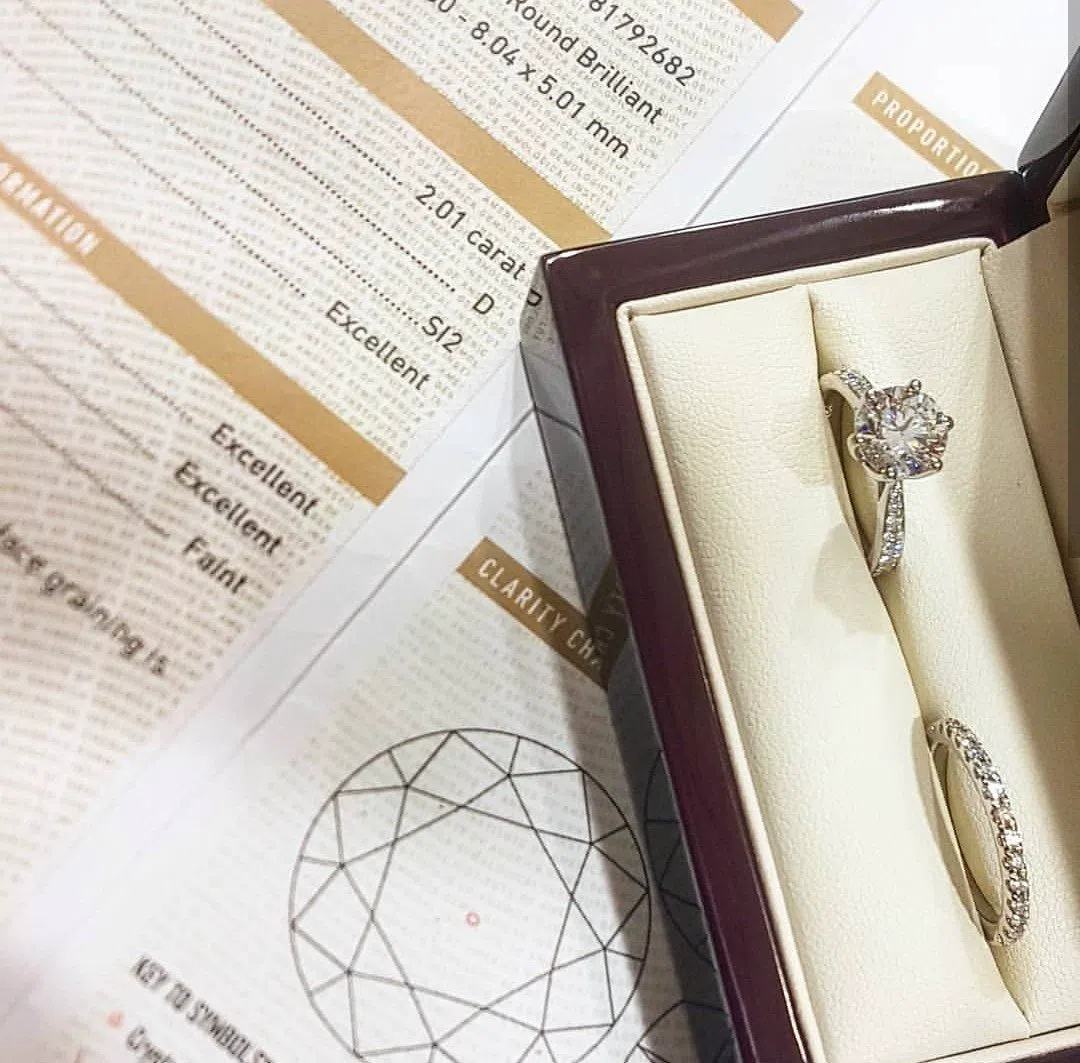
Here is the honest part. This district sells to the whole world, and most of its sellers are reputable, but a handful trade on tourist inexperience. The move is to buy from a named, accountable house — ideally one carrying a recognised quality label or listed by the city — rather than from whoever intercepts you on Pelikaanstraat. Four addresses cover the range from quiet one-to-one buying to walk-in browsing.
If you want the calmest possible experience and you are shopping seriously, book BAUNAT, an online-to-showroom brand in the district that runs free private appointments — weekdays nine to six, weekends on request. This is one-to-one, not a room for a tour group: you sit down, you look at certified stones, prices run from the mid-hundreds of euros up to bespoke commissions, and there is no pavement pressure because you are behind a booked door. It suits couples and solo buyers who want transparency and time, and it is the antidote to the hard sell.
For genuine local provenance, Diamani Jewels is a heritage boutique that carries the city's 'Antwerp's Most Brilliant' quality label and — unusually — sells pieces cut in its own workshop. That means the stone in the window was very likely finished a few metres away, not imported ready-made. It is friendly to small groups on a walk-in basis, offers bespoke work, and sits in the €€ to €€€ band. When people say 'buy where it was cut', this is close to the literal version.

In the same spirit but with a family-house feel, Joaillerie du Centre is a long-standing family jeweller also on the 'Most Brilliant' list. Its real strength is custom and remodelling: this is where you take an inherited stone or a tired old setting and have it redesigned into something you will actually wear. Small groups are welcome, prices sit at €€ to €€€, and the appeal is trust — a house that has been doing bespoke, repairs and remodelling long enough to be relaxed about it.

Finally, Diamond Blue is a family business of more than thirty years, recognised by Visit Antwerp, that works well as a walk-in for couples and small groups. It is a solid, reputable alternative to the marquee names, and it is a good shout if you are drawn to coloured stones rather than only white diamonds. Prices again fall in the €€ to €€€ range. Between these four you have the full spectrum — booked-and-private, own-workshop provenance, family bespoke, and easy walk-in — and none of them needs you to gamble on a stranger's patter.
Reading the closed streets
You can walk the quarter alone, but you will not understand it alone. The trading happens behind unmarked doors, on trust and a handshake and a Yiddish phrase — mazel und broche — that seals deals worth more than the buildings they happen in. None of that is visible from the street. This is why the Antwerp Diamond & Jewish Quarter Walking Tour is the single best-value thing in this guide: a roughly two-hour, small-group walk, meeting at Central Station, that costs somewhere around €23 to €41 per person and unlocks what you would otherwise miss entirely.
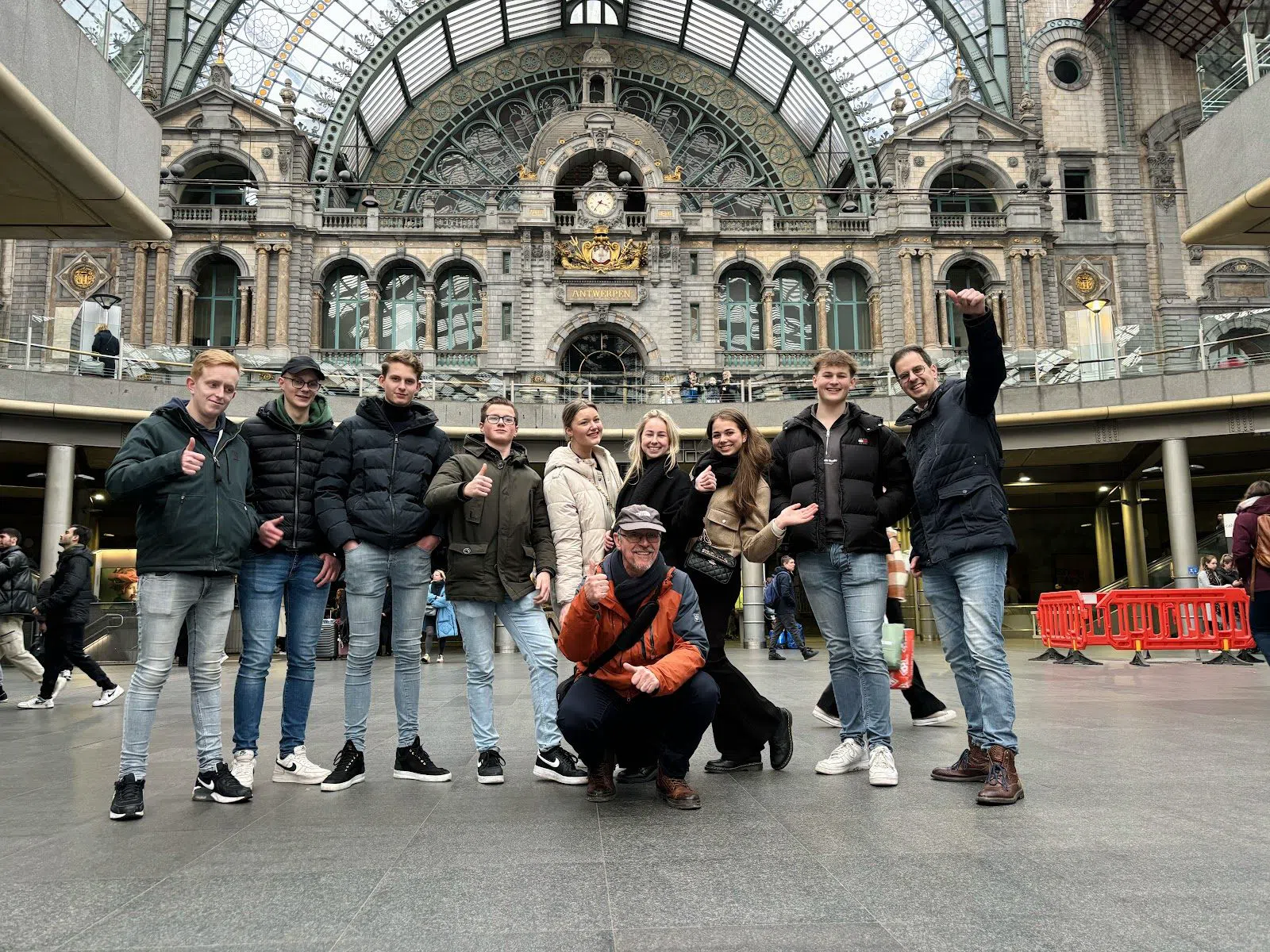
A good guide reads the district for you — which street does the rough trade, how stones move from bourse to cutter to setting, and how the Jewish community, Antwerp's Hasidic families and the Jain and Indian traders who now hold a large share of the business, are woven through the same few blocks. Two firm cautions: it is built for small groups, so book rather than assume you can join on the day, and do not come on a Saturday or a Jewish holiday, when the observant core of the neighbourhood shuts and the whole thing goes quiet. Time it for a working weekday and the streets have a pulse.

The tour's natural climax is a building you cannot enter. Antwerp World Diamond Centre (AWDC) — Hoveniersstraat is the fortified nerve centre of the trade, and it is closed to the public — an exterior landmark only, free to stand in front of and photograph. You will notice the bollards, the cameras, the airlock doors, the police presence: security you would expect at a border crossing, wrapped around an ordinary-looking office block through which a staggering share of the world's rough diamonds passes. Standing outside it, with a guide explaining what you are looking at, is the moment the abstraction becomes concrete. You cannot go in. That is exactly the point.
Eat where the quarter eats
A diamond walk that skips the food misses half the neighbourhood, because the quarter is not only a market — it is a living Jewish district, and it eats accordingly. Make time for lunch or a bakery stop and the place stops being a curiosity and becomes a community.

Hoffy's Restaurant & Take Away is the landmark kosher table — reliably rated the best kosher food in town, built to seat groups, with dedicated group service, catering and take-away. Mains sit around €18 to €30, it is comfortably €€, and large tables are genuinely accommodated rather than tolerated, which makes it the obvious choice for a group that has walked all morning. It is a real taste of Jewish Antwerp, not a themed approximation. Book ahead if you are more than a couple, and remember the observant calendar — this is not a Saturday plan.
For something cheaper and quicker between jewellery windows, Kleinblatt is a century-old institution and Belgium's largest kosher bakery. It is a grab-and-go counter, not a sit-down café, so treat it as a few euros' worth of excellent bread or pastry eaten on the move rather than a place to rest a group. It is the authentic cheap bite the quarter is built around — the thing traders actually grab between deals — and a far better use of ten minutes than a chain coffee near the station.
Practical notes
Getting there and around. Everything in this guide is walkable from Antwerpen-Centraal — the quarter sits immediately east of the station, and DIVA is a ten-minute stroll into the old centre. If you are staying elsewhere in the city, trams and the pre-metro converge on the station too. You will not need a taxi inside the district; it is genuinely a walk. Sort your base first with an Antwerp hotel search, and browse the wider Antwerp guide for what to do once the diamonds are done.
Timing. Come Tuesday to Friday morning. Saturdays and Jewish holidays close the observant heart of the neighbourhood — kosher venues shut, the walking tour doesn't run well, and the trading streets go dead. DIVA is closed Wednesdays and runs on timed entry, so book a slot. Diamondland and BAUNAT reward booking ahead in peak season. Half a day covers the walk comfortably; a full day lets you add DIVA and a proper lunch without rushing.
Cash and cards. Prices here are in euros. The museum (~€12), the walking tour (~€23–€41 per person) and the kosher food (Hoffy's mains ~€18–€30; Kleinblatt a few euros) are all straightforward card-friendly spends. Jewellery is another matter: for anything significant, deal with a named house — BAUNAT by appointment, or a labelled boutique like Diamani Jewels, Joaillerie du Centre or Diamond Blue — insist on certification, and never let pavement urgency rush a five-figure decision.
Budget shape. A no-shopping day is cheap: free station and Diamondland visit, ~€12 for DIVA, ~€23–€41 for the guided tour, and €25–€35 for a good kosher lunch — call it under €80 a head for a rich half-to-full day. The stones, of course, are whatever you decide they are. The best thing about this square kilometre is that you can understand it completely without spending a euro on a diamond — and understand it far better than the shopper who buys one without ever learning why Antwerp cuts the world's.
Before you go
Where is Antwerp's diamond district and how do I get there?
It sits immediately east of Antwerpen-Centraal (Central Station), across four narrow trading streets around Hoveniersstraat and Pelikaanstraat. Everything worth seeing is a short walk from the station, so arrive by train and explore on foot — you won't need a taxi inside the quarter.
Can I actually watch diamonds being cut?
Yes. Diamondland runs free guided visits Monday to Saturday where you watch cutters at work and get the four Cs explained with no pressure to buy. It welcomes groups and families; book ahead in peak season so a guide is free when you arrive.
Is it safe to buy diamonds there, and how do I avoid getting ripped off?
Buy from a named, accountable house rather than a pavement tout. Book BAUNAT for a private appointment, or use a labelled boutique like Diamani Jewels, Joaillerie du Centre or Diamond Blue. Learn the four Cs at Diamondland first, insist on certification, and never let street urgency rush a big decision.
Why should I avoid visiting on a Saturday?
The quarter is a living Jewish district, so on Saturdays and Jewish holidays the observant heart closes: kosher restaurants shut, the walking tour doesn't run well, and the trading streets go quiet. Come Tuesday to Friday morning to see it awake.
Can I go inside the Antwerp World Diamond Centre?
No — the AWDC on Hoveniersstraat is closed to the public. It's an exterior landmark you can view and photograph on a group walk. Its visibly heavy security is the point: a huge share of the world's rough diamonds passes through a building you can't enter.