The Antwerp issue
What Antwerp Actually Eats Beyond Beer and Waffles
Three-star tasting menus, hand-pulled noodles, a raisin rye loaf from 1884 and the frites cone that ends the night: how to eat Antwerp properly in 2026.

By Chiara BenedettiTwo visits before I'll tell you it's good

Antwerp eats on two clocks. There is the city that fills a three-month booking release for a chapel with two Michelin stars, and there is the city that queues at a wooden counter for a dense rye loaf packed with raisins, baked to the same recipe since 1884. Both deserve an evening, and neither of them is a waffle.
What follows is ordered the way you actually plan a trip: the rooms that need booking months out come first, then the brasseries that will still find you a table midweek, then the market, the noodle bar and the counters you can simply walk into. All prices are 2026 and in euros, and they are bands rather than promises, because wine, oysters and lobster move them quickly.
The four rooms you plan the trip around

Zilte (top floor of the MAS, het Eilandje) was promoted to three Michelin stars in the 2026 Belgium guide and is now one of only two three-star houses in the country. Viki Geunes has spent the last few years going in the opposite direction to most chefs at this level: fewer ingredients on the plate, more depth in each of them. The room's team took the 2026 Michelin Service Award, which is worth knowing because a meaningful share of what you pay for here is the floor, not just the kitchen. Tasting menus run roughly €250 to €350 per person before wine. It seats small parties only; private dining can be arranged on request, but this is not a venue you take eight people to on a whim. Book far ahead and build the rest of the trip around the date.
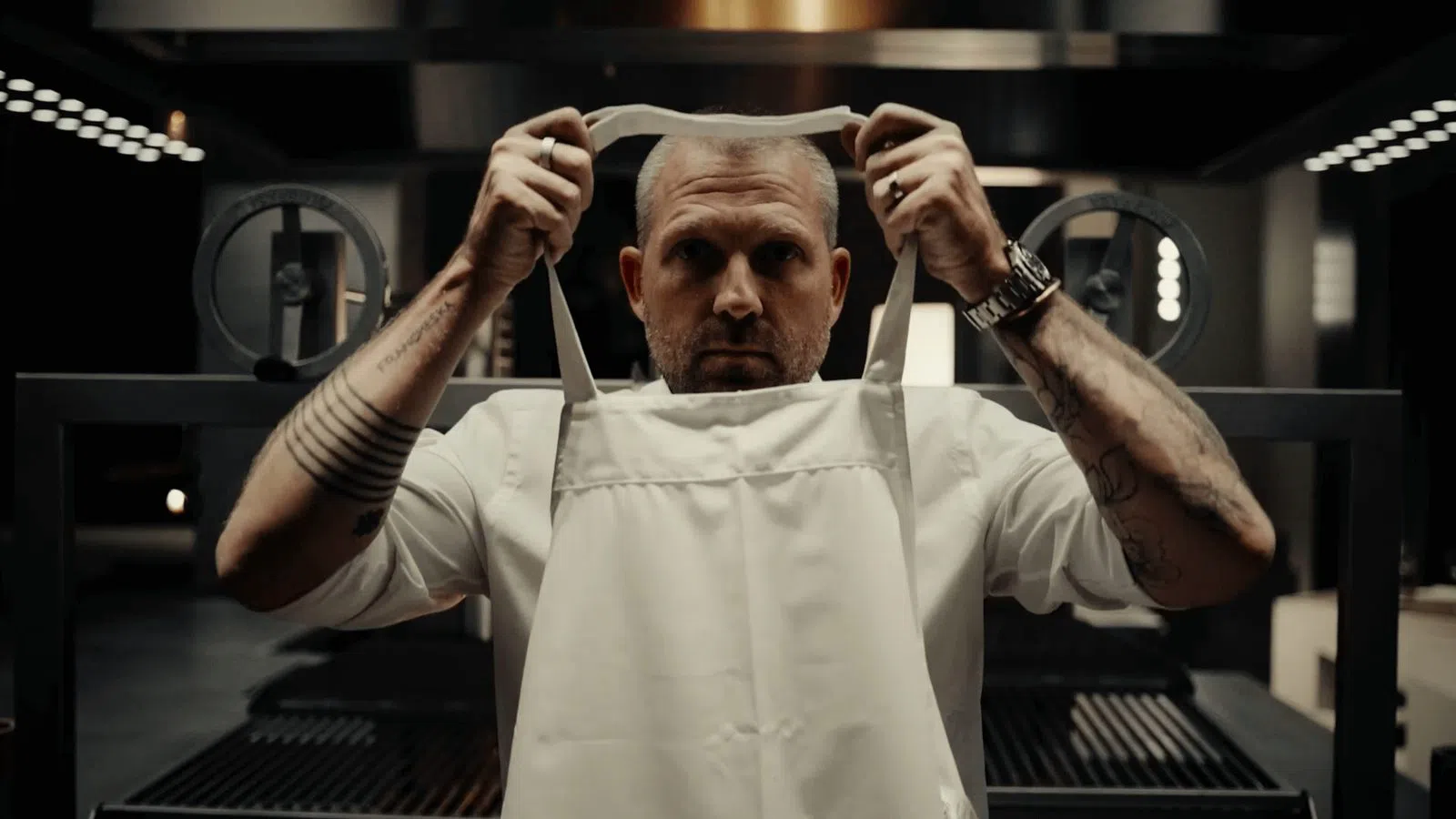
The Jane (Groen Kwartier, in the converted chapel of a former military hospital) holds two stars in the 2026 guide under Nick Bril, and the room is the most theatrical dining space in the city: high vaults, a stained-glass window, the pass where the altar was. Menus land around €200 to €290 per person. The booking system is the part people get wrong. Reservations run on a rolling three-month release that opens on the first of each month, so getting in is a calendar reminder rather than a stroke of luck. Set an alarm for the first, know your dates, and have a second choice of evening ready. It takes small parties; anything larger needs a direct conversation with the restaurant, and be clear with yourself that theatrical is the opposite of private.
Nathan (old centre) is the pick if you want a serious meal without the chapel-scale spectacle. Nathan Van Echelpoel has held one star since 2019 for French-Belgian cooking with Asian accents, and menus sit at roughly €90 to €170, the best ratio of ambition to outlay among the starred rooms here. Seating is very limited, couples and small tables only, and reservations are essential. The tiny room is the whole proposition rather than a compromise, so if you need space and volume around you, go elsewhere.
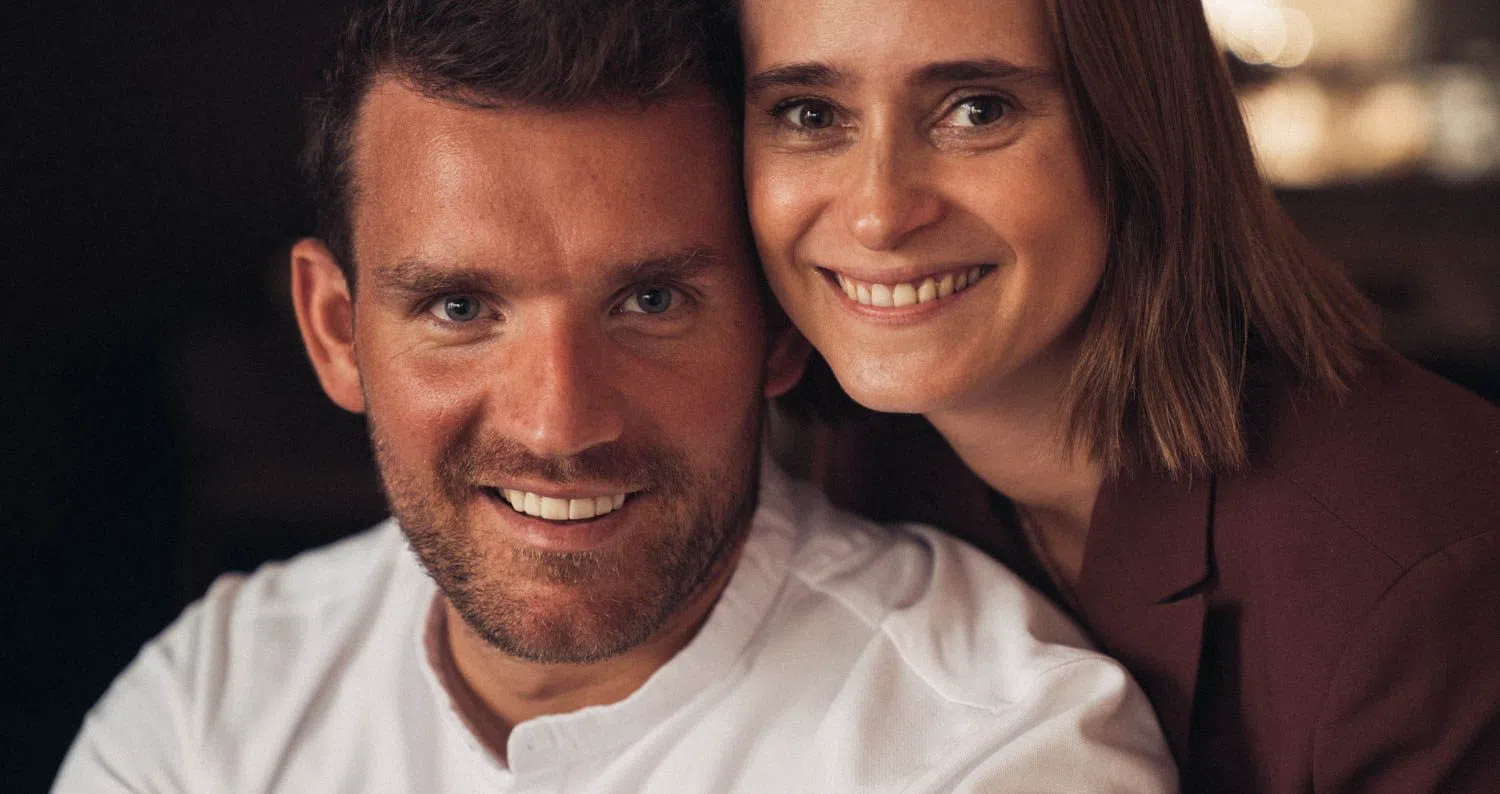
't Fornuis (Reyndersstraat, old town) has been going since 1977 and has held its star since 1986, which is a longer unbroken run than most people's careers. It is an old, compartmented house, so it works for two or for a small group and not for a party. Book by phone on 03 233 62 70 rather than online. Two practical warnings. Service is lunch and dinner Monday to Friday, closed at weekends, which catches short-break visitors constantly. And some aggregator listings wrongly mark it as permanently closed; the restaurant's own site shows current service, so trust that and the phone, not the app. Expect roughly €90 to €150 per person.
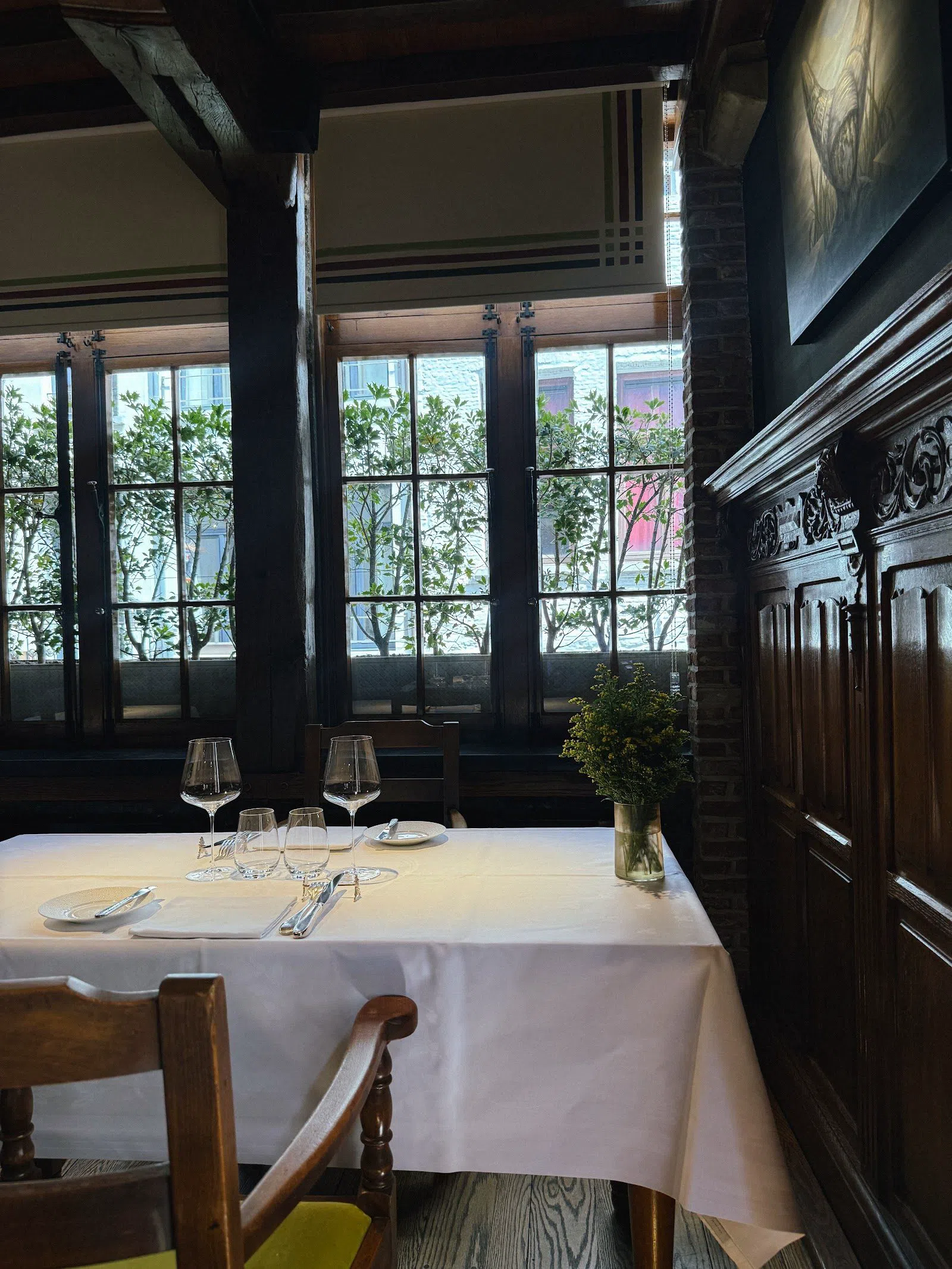
One honest caveat before you spend that money: I don't rate a kitchen on a single sitting and neither should you. What these four have is a record held over years and inspections, which is a far better guide than any one plate, including mine.
Plan your Antwerp trip
Live prices from our booking partners.
Free cancellation on many rooms. We may earn a commission when you book.
One address that covers a drink, a plate and a proper dinner
Le Pristine (Lange Gasthuisstraat 13, in the shopping quarter) is Sergio Herman's Antwerp room, one star, pairing Italian technique with Zeeland and Flemish ingredients. It is unusually useful because it is really two places. The restaurant proper needs booking and runs to around €110 to €130 per person. The adjoining café and front cocktail bar take walk-ins and can absorb a larger informal group, with pizza and pasta at considerably less. If your party is undecided, or you have an afternoon to fill and no reservation, this is the address that will not turn you away, and the one place on this list where you can trade down within the same building without trading down on the cooking.
Flemish cooking without the tasting-menu commitment
Sir Anthony Van Dijck (down an alley in the old town) was once Michelin-starred and was deliberately relaxed back into a brasserie by Natalie and Jöran, which is a rarer and braver move than chasing the star upward. Mains are roughly €30 to €45, and the thing to order is the waterzooi with monkfish: the Flemish classic, a broth-and-cream stew that most kitchens either over-thicken or under-season, and this one does neither. It is comfortable for groups and takes group bookings, and the alley setting is the best-looking approach to any table in the old town. The catch is that it closes Sundays and Mondays year-round. On a Friday-to-Monday break that removes half your window, so book the Saturday.
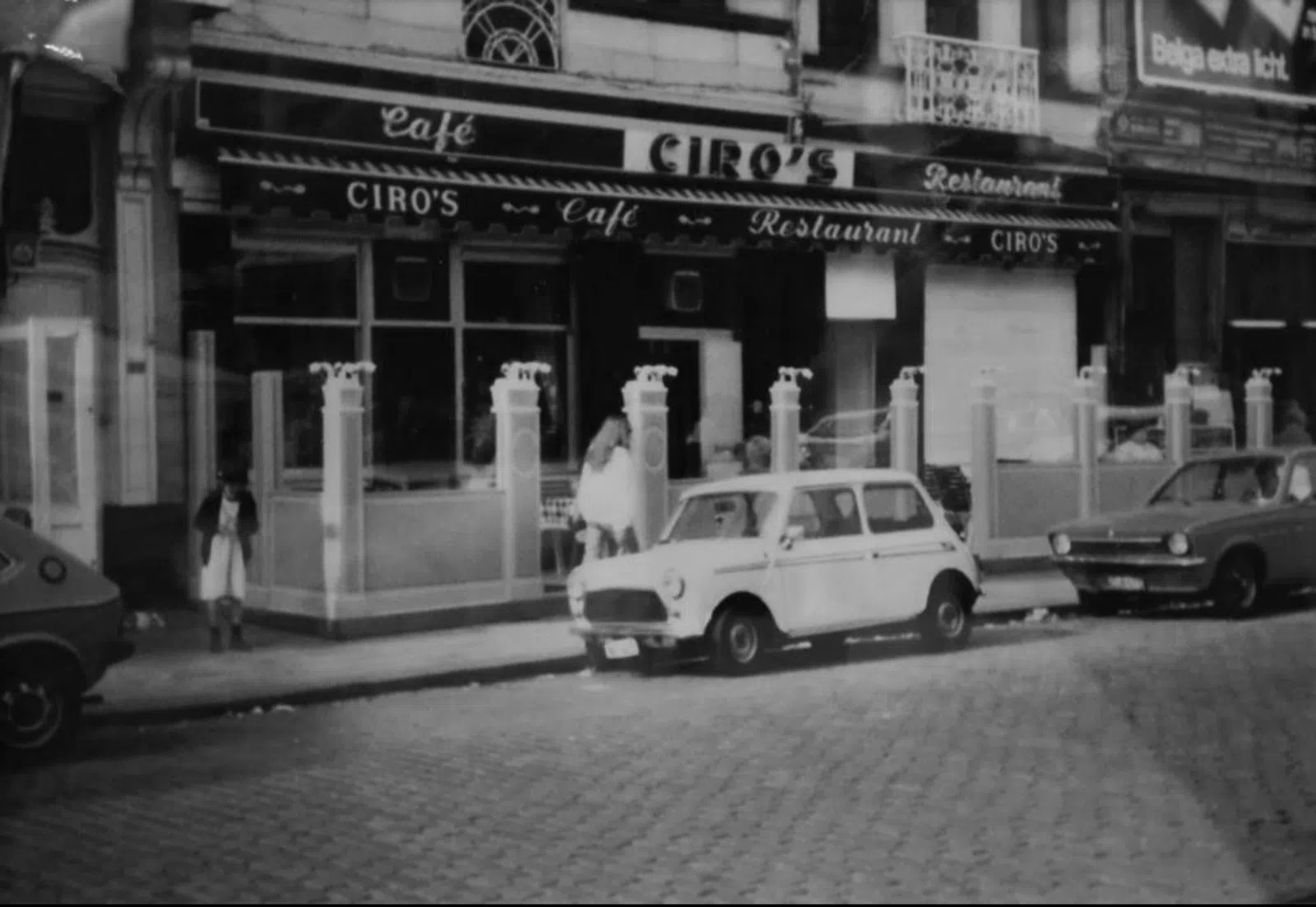
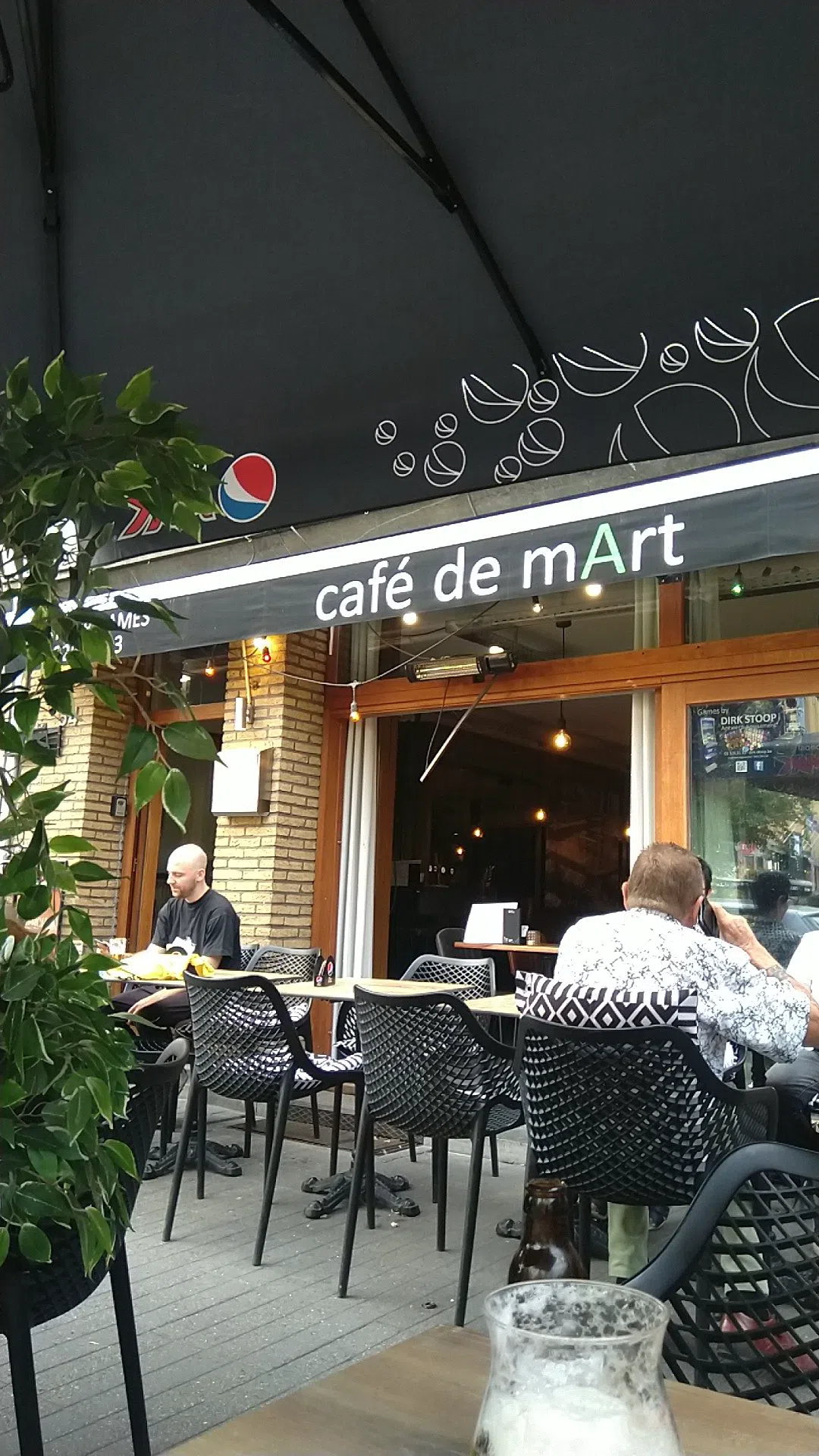
Ciro's (south of the centre) has been run as a brasserie since ex-Red Devil Albert De Herdt took it over in 1962, now in the hands of chef Claude Sondag and Sabine Huyssen. It carries a Michelin Bib Gourmand and was Gault&Millau's Brasserie of the Year in 2022, and the Steak Ciro's is the reason to come, so order around it rather than against it. Mains are roughly €25 to €40, it takes groups easily, and it is open Tuesday to Sunday 11:00 to 23:00, closed Mondays. The long unbroken hours make it the reliable answer to a late lunch that has drifted past 15:00, which in this city is a real problem.
Bar Bulot (a hotel dining room in the centre) opened in summer 2021 from the Hertog Jan team and does classic French brasserie cooking, with oysters and shellfish doing the heavy lifting. Mains run roughly €28 to €48. Its value is structural rather than romantic: the hotel setting is geared to groups and private dining, a larger table is straightforward to book, and it is the sane fallback on the night you discover every starred room in the city is full. Nobody photographs a hotel brasserie, but a trip goes better for having one you can book.
Fish, smoke and the table for twelve
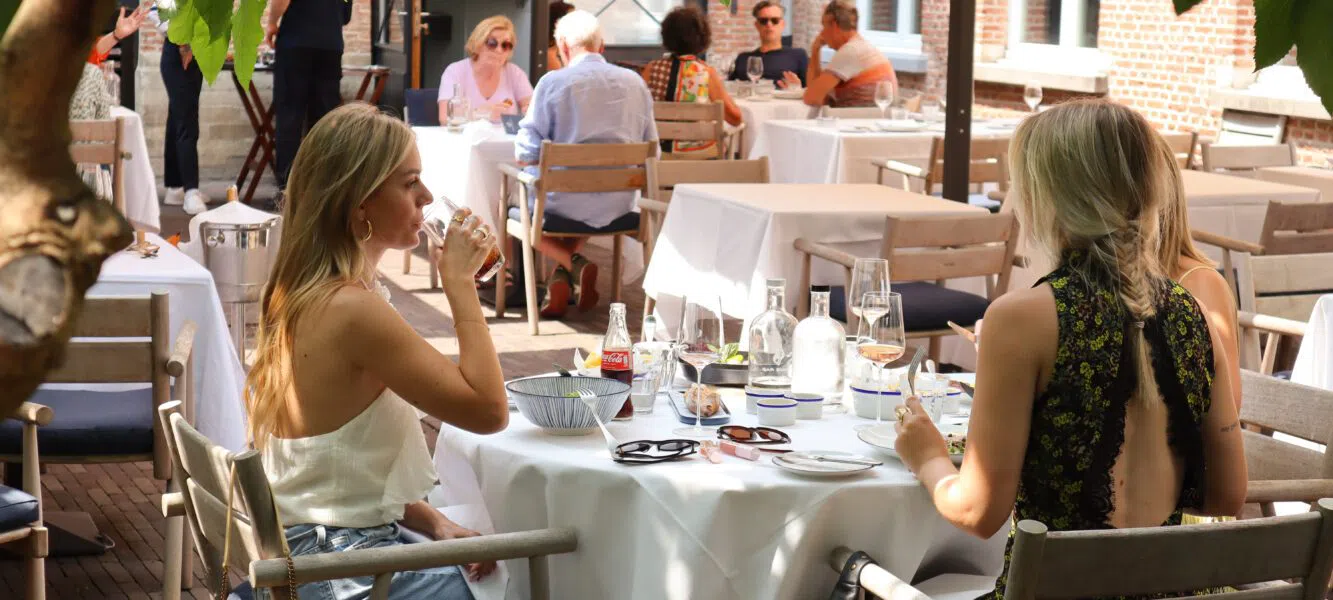
Fiskebar (het Zuid) has been working seasonal, sustainable European catch since 2007 and does it with no decorative nonsense: the fish arrives cooked correctly and largely left alone. Mains are roughly €28 to €45, lobster above that. The room is small, so parties of up to six are the realistic ceiling, and reservations are strongly advised at weekends. Check the hours before you build an evening on it, because it is currently dinner-only Monday to Friday, with Saturday lunch. That Saturday lunch, after the market, is the best slot it offers.
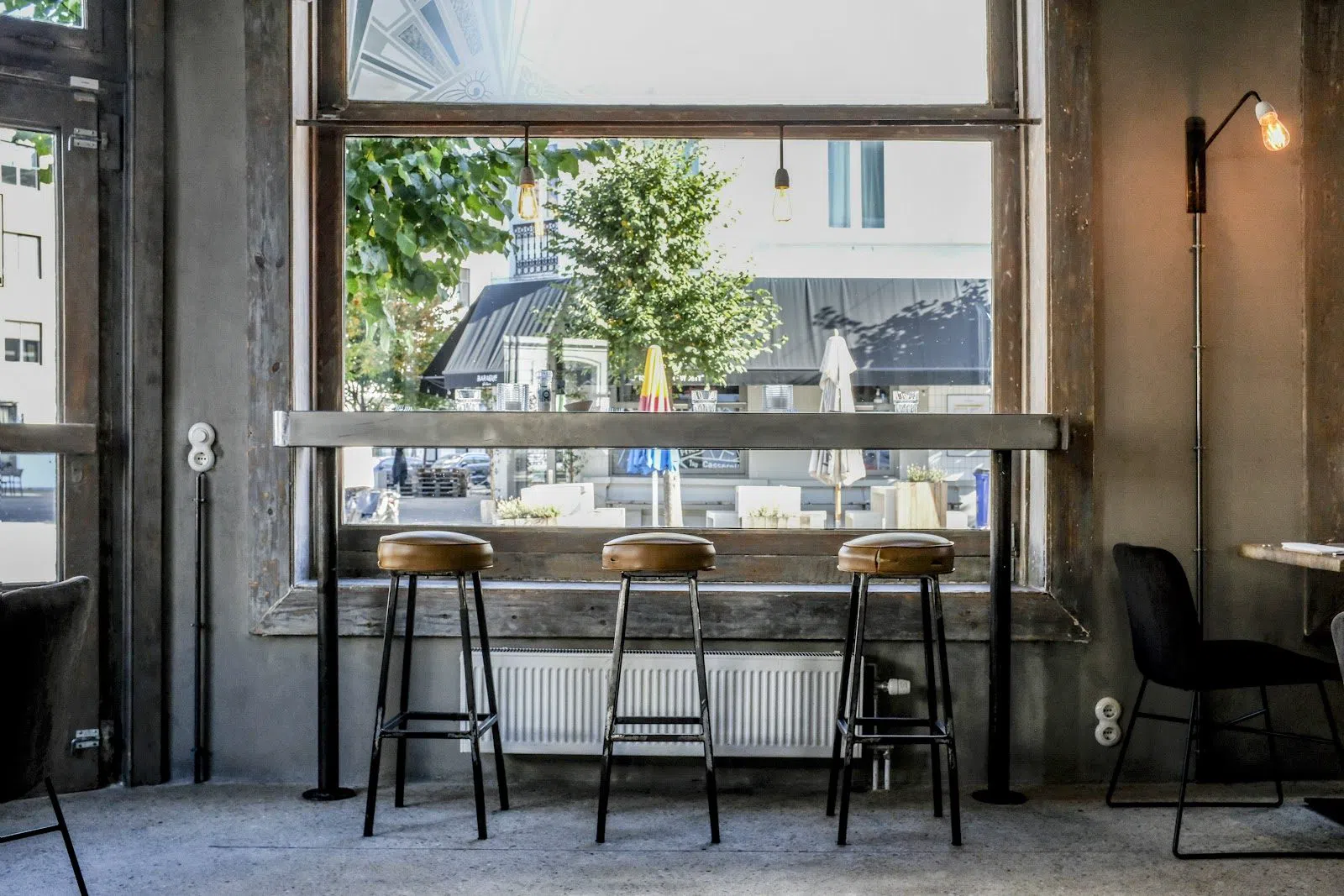
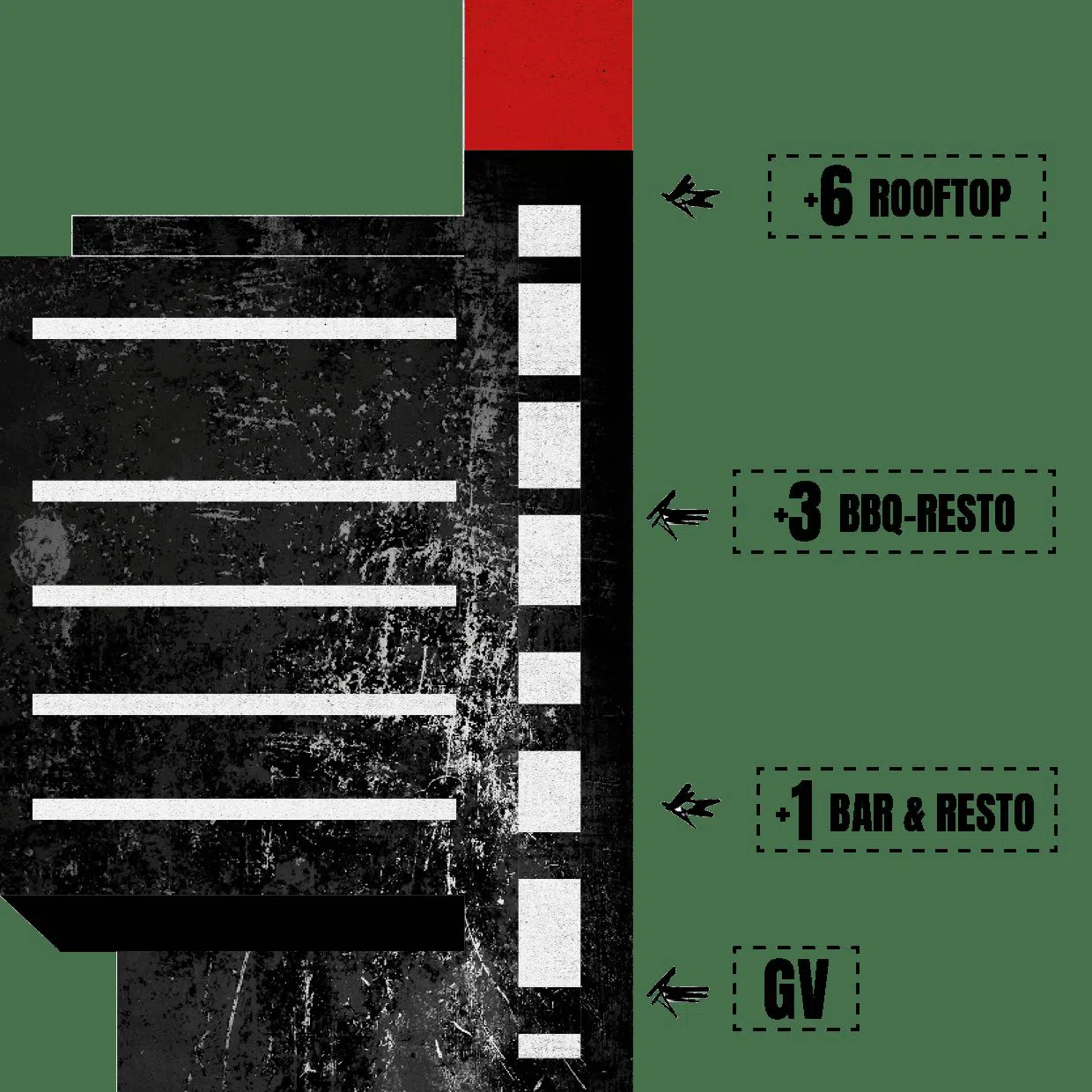
Black Smoke (a converted industrial building a short tram ride from the centre) is the one genuinely easy answer for a big group. American smoking technique applied to Belgian produce, holding a Michelin Plate, with mains roughly €22 to €38 and shared boards designed for large tables. There is a bar and a rooftop as well as the restaurant, and the rooftop reopened for the season on 1 May 2026, which makes it the obvious warm-weather choice when you have ten people and four opinions. Split the difference: eat downstairs, drink upstairs.
Chinatown noodles and the Saturday market
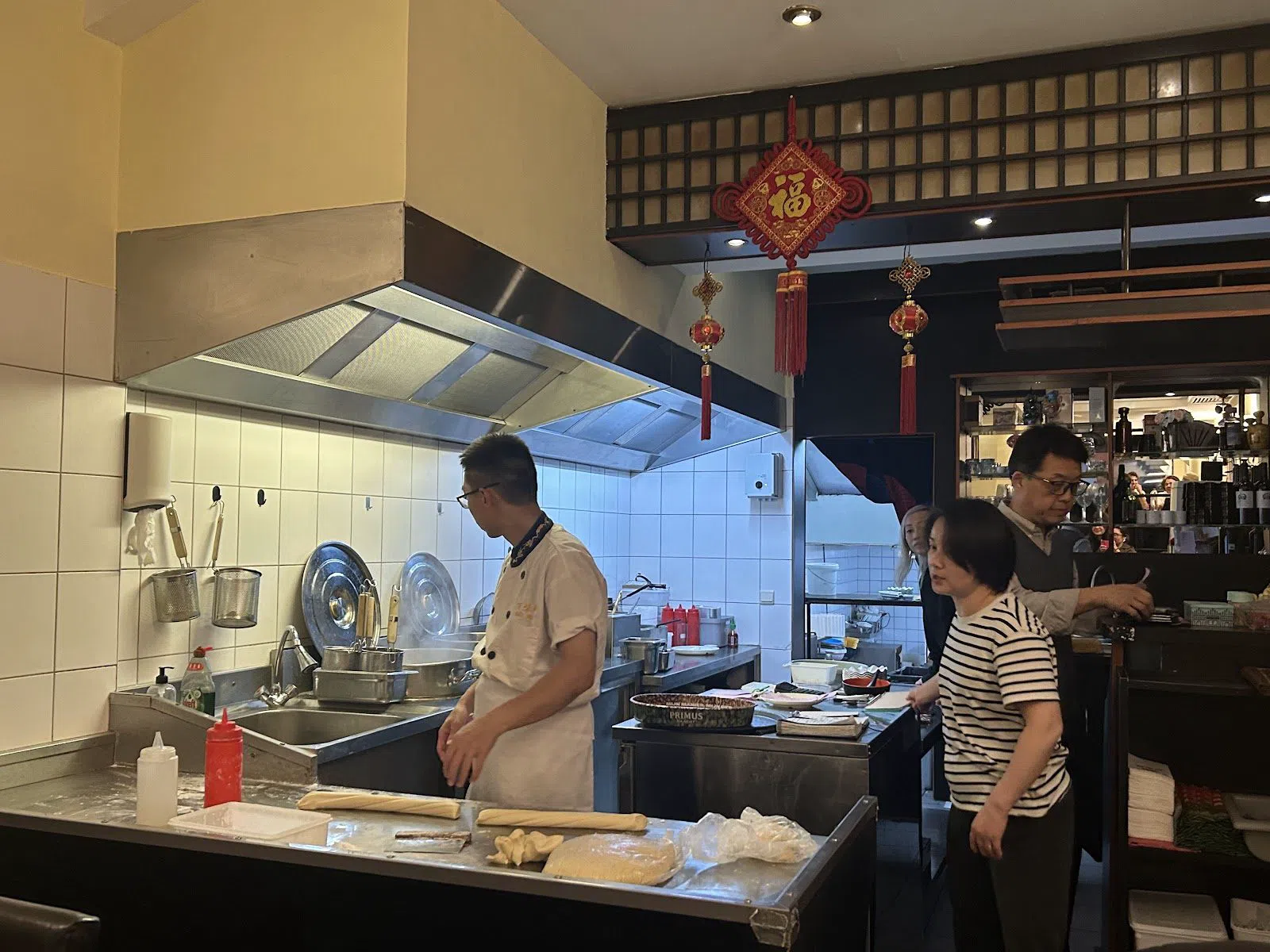
Bai Wei (Chinatown, behind Central Station) pulls its noodles by hand in front of you, and the dim sum is worth ordering alongside rather than instead. Dishes run roughly €12 to €20. Two rules: it is cash only, so bring notes and don't argue with the counter about it, and there is no bookings culture, so turn up and wait if you must. The decor is basic and irrelevant. Open Monday to Saturday, closed Sundays. It handles casual medium-sized tables well, which makes it the cheapest good group meal in the city.
Exotische Markt (Theaterplein) is the most varied eating in Antwerp concentrated into one square, and it costs nothing to walk through. Plates run roughly €4 to €12: msemen with goat cheese and honey at one stall, croquettes at the next, oysters shucked in the open air a few metres on. It is open-air and free to browse, so it is the easiest possible option for a group of any size, including one that cannot agree. The detail visitors get wrong is the day. It runs on Saturdays, 08:00 to 16:00. Sunday on the same square is the Vogelenmarkt, an entirely different market. Turn up on Sunday expecting food stalls and you will be disappointed by your own scheduling, not by the city.
The counters worth crossing town for
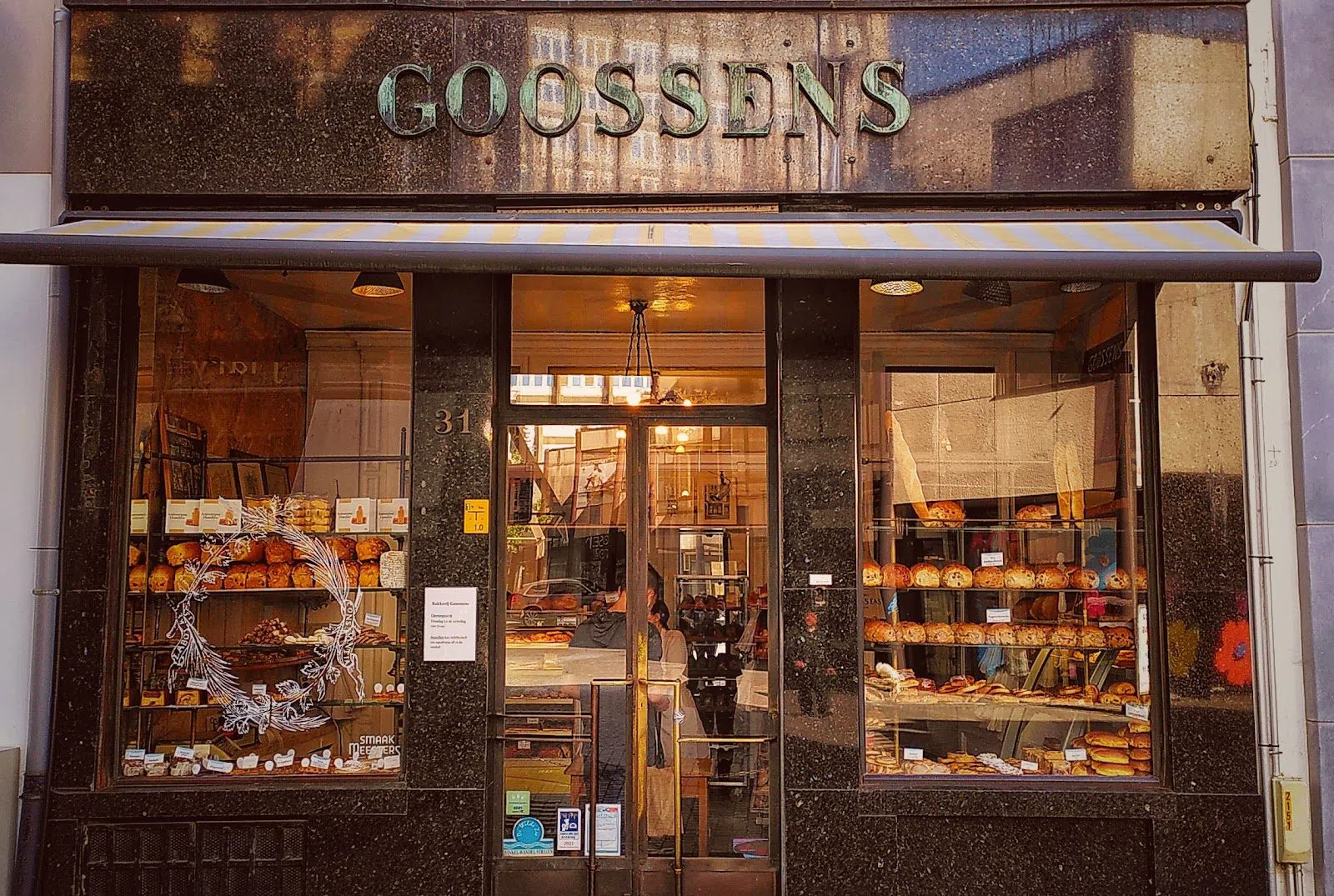
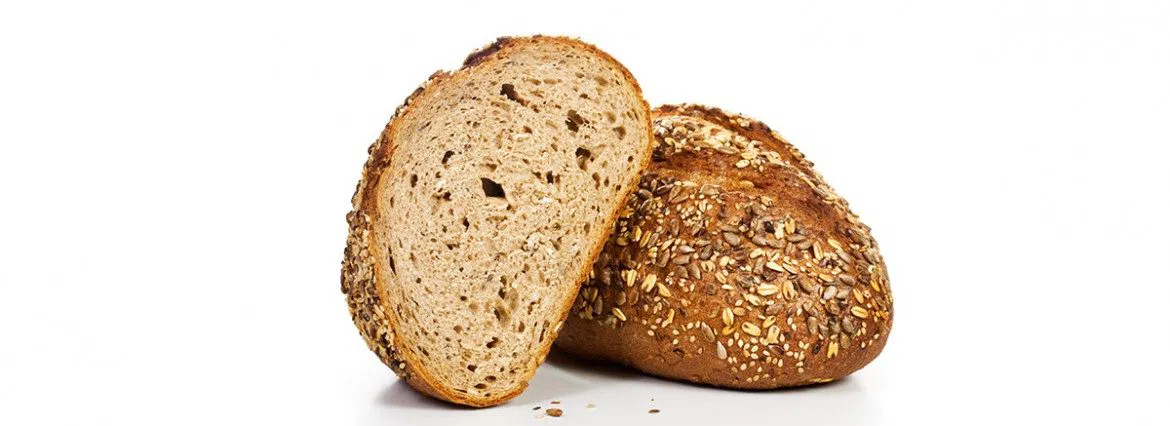
Bakkerij Goossens (shopping quarter) has been trading since 1884 and is known for the roggeverdommeke, a dense rye loaf packed with raisins that eats more like a meal than a snack. A loaf is roughly €3 to €6. It is a tiny counter shop with no seating and it is a bakery, not a café, so treat it as a takeaway stop. If you are more than two people, send one person in to queue and wait outside with the others.
Kleinblatt (Jewish quarter near Central Station) is a kosher bakery and patisserie that has been at this address since 1931, with family roots going back to 1903. Pastries and breads are roughly €2 to €8, counter service only, no seating. The hours are what catch people out: closed Saturday and Sunday, and shutting at 15:00 on Friday for Shabbat. If it is on your list, go on a weekday morning and stop planning around it after Friday lunch.
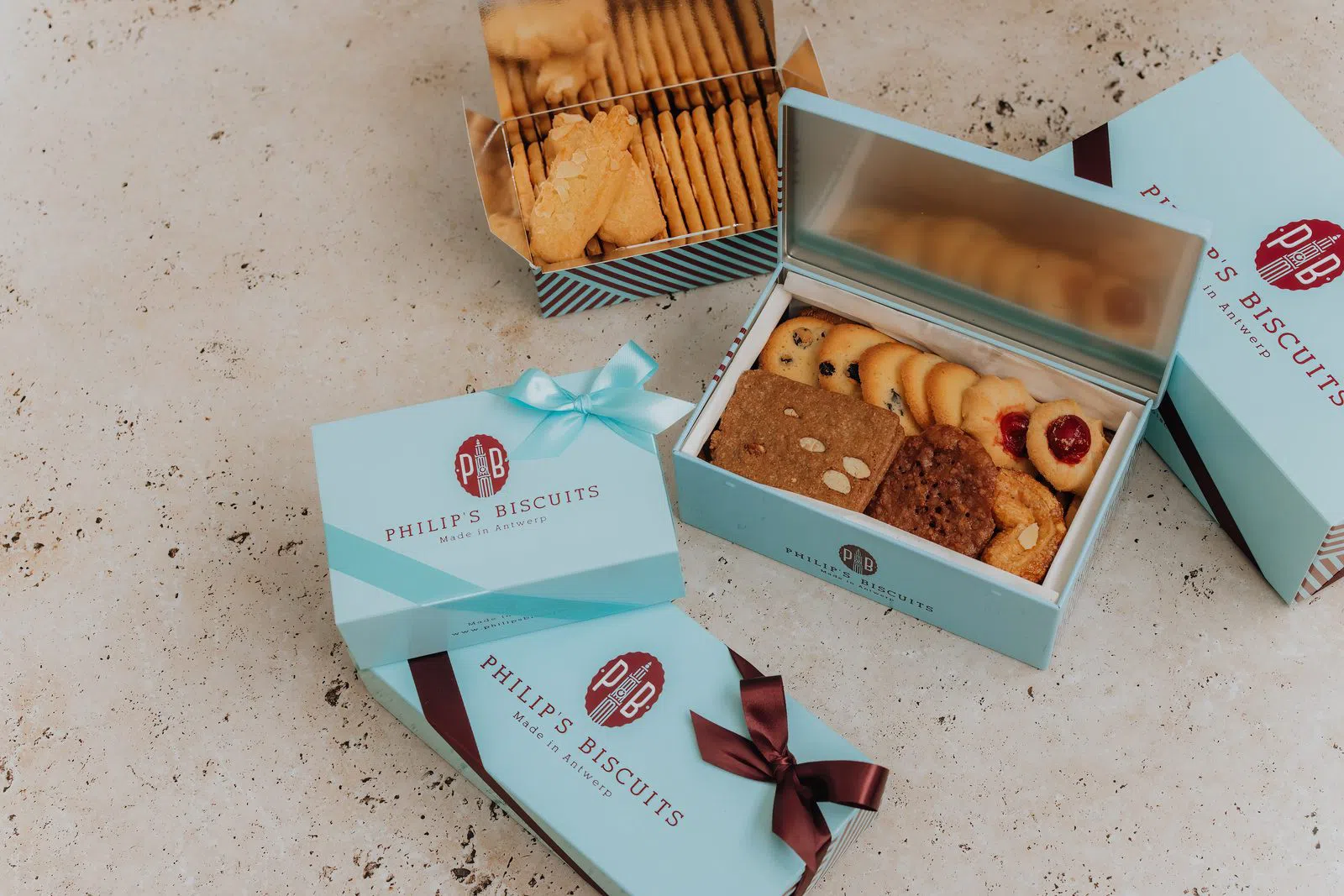
Philip's Biscuits (several shops across the centre) sells the Antwerpse handje, the hand-shaped biscuit created in 1934 by pastry chef Jos Hakker after the city's severed-hand legend and now the official biscuit of Antwerp. Hakker's granddaughter has said this version is the closest to the original recipe, which is about as good a provenance claim as a souvenir biscuit can carry. A tin runs roughly €8 to €18. These are retail shops with no seating, and because there are several branches a group can spread out instead of blocking one doorway.
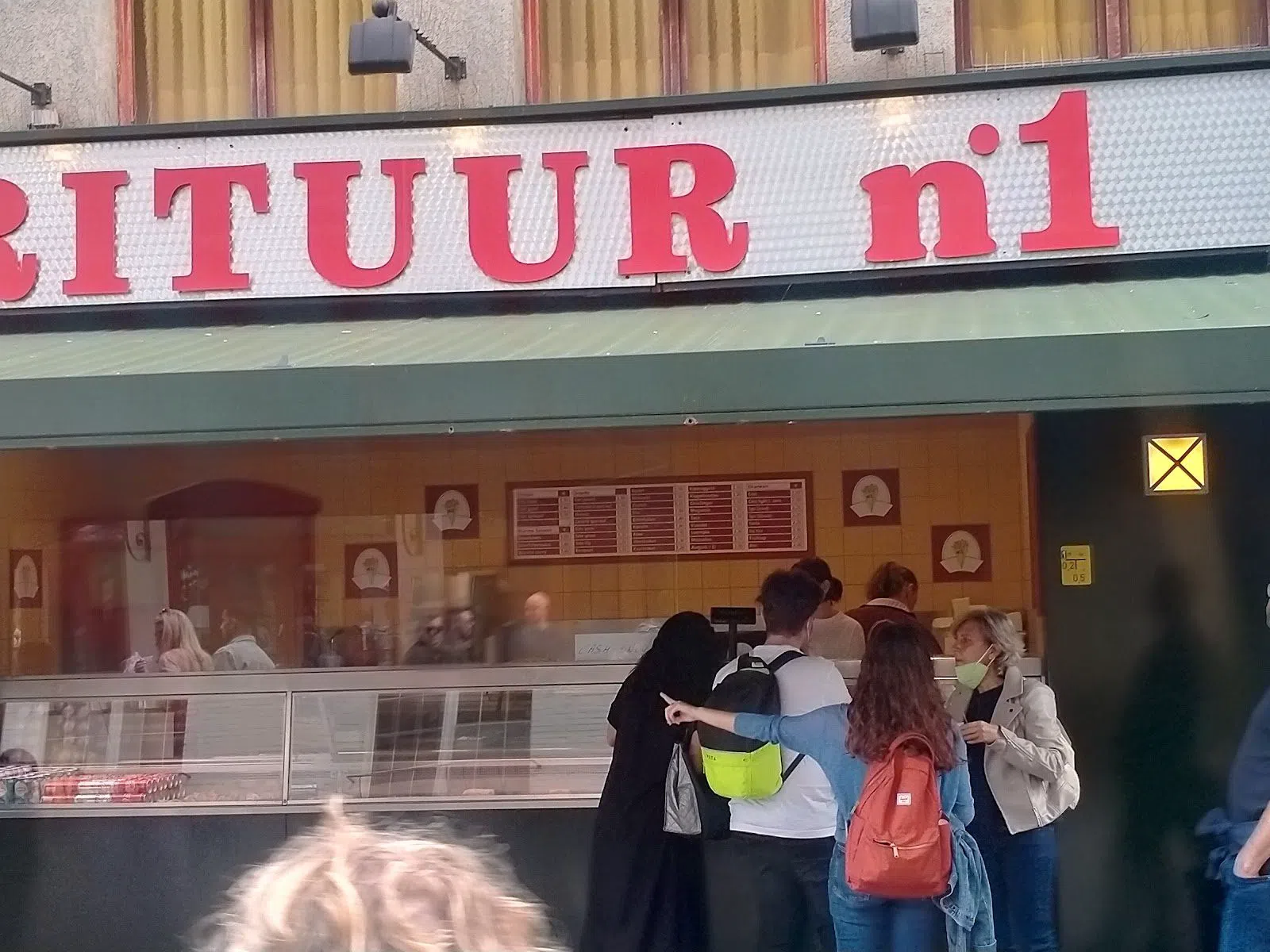
Frituur No. 1 (old town) is where the frites argument in this city usually ends. The traditional double-fry and the house mayonnaise are the reason, and a cone with sauce is roughly €4 to €8. Counter service, no real seating, fine for a group standing on the pavement. It is open 11:00 to 4:00 every day, which makes it both a lunch and the last stop of the night. Eating it standing up outside at 2am is how the place is meant to be used.
Practical notes for eating in Antwerp
Getting between the tables is mostly a matter of walking. The old centre is genuinely walkable and most of the counters (the frituur, the bakery, the shopping-quarter addresses) sit within twenty minutes of each other on foot. Trams cover the rest: het Zuid for Fiskebar and Ciro's, the Groen Kwartier for The Jane, and a short ride out for Black Smoke. Chinatown and Kleinblatt are both a few minutes from Central Station, so they pair naturally with an arrival or departure day. If you want to do most of this on foot, stay central. Start with an Antwerp hotel search and weigh the old town against the Zuid before booking.
Carry cash. Bai Wei is cash only and will not bend on it. Market stalls and small bakery counters are quicker with notes even where cards work. Take €40 to €50 in cash for a day that includes the market, a bakery and a frituur, and stop worrying about it.
Timing matters more here than the money. Mondays are thin: Ciro's is closed, and Sir Anthony Van Dijck is closed Sunday and Monday both. 't Fornuis serves Monday to Friday only. Fiskebar is dinner-only on weekdays. Kleinblatt shuts at 15:00 on Friday and all weekend. The market is Saturday morning. A workable four-day shape: market and a late Saturday lunch, brasseries on Sunday and Monday evening, the starred room midweek.
You can eat very well on €25 to €40 a day using the market, Bai Wei, the bakeries and a frituur cone. A proper brasserie dinner sits at €30 to €45 for mains before drinks. The starred rooms run from roughly €90 per person at the gentler end to €350 at Zilte before wine, which means one big night and four good ordinary ones balances a week better than three mid-range dinners. For everything beyond the table, the Antwerp guide covers the rest of the city.
Before you go
How far ahead do I need to book Antwerp's Michelin-starred restaurants?
Plan in months rather than days. The Jane releases tables on a rolling three-month system that opens on the first of each month, so set a calendar reminder. Zilte, now three stars in the 2026 guide, fills far ahead. Nathan has very limited seating and you need to reserve. 't Fornuis takes bookings by phone on 03 233 62 70 rather than online, and serves Monday to Friday only.
Where can I eat well in Antwerp on a Monday?
Monday is the thinnest night. Ciro's shuts, and Sir Anthony Van Dijck closes Sunday and Monday. Still open: 't Fornuis for lunch or dinner, Fiskebar for dinner, Bai Wei in Chinatown for hand-pulled noodles, and Frituur No. 1, which runs 11:00 to 4:00 every day of the week.
What food is Antwerp actually known for, apart from beer and waffles?
Four things worth seeking out. The Antwerpse handje is a hand-shaped biscuit created in 1934, now the city's official biscuit, sold at Philip's Biscuits. The roggeverdommeke is a dense raisin-packed rye loaf from Bakkerij Goossens, trading since 1884. Waterzooi is the Flemish stew, and the monkfish version at Sir Anthony Van Dijck is the one to order. Then frites, double-fried with house mayonnaise at Frituur No. 1.
Which Antwerp restaurants work for a large group?
Black Smoke is the strongest option, with large tables, shared boards, a bar and a rooftop that reopened for the season on 1 May 2026. Bar Bulot's hotel setting handles bigger tables and private dining. Ciro's and Sir Anthony Van Dijck both take group bookings. The Exotische Markt on Theaterplein is free to walk and suits any size. The starred rooms mostly do not take groups: Zilte, Nathan and 't Fornuis seat small parties only.
How much should I budget for food per day in Antwerp?
Around €25 to €40 a day covers the market, a Chinatown noodle bowl at €12 to €20, a bakery stop at €3 to €6 and a frites cone at €4 to €8. Brasserie mains sit at €25 to €48 depending on the room. One-star menus run roughly €90 to €170, and the top end reaches €200 to €290 at The Jane and €250 to €350 at Zilte before wine. Carry cash, because Bai Wei does not take cards.