The Antwerp issue
Antwerp Makes the Rest of Belgium a Day Trip
One hotel room, four levels of platforms, and a country's worth of towers, castles and collections inside two hours of the departure board.
By Tomás AlmeidaA city read one street at a time
Stand at the top of the stairs in the ticket hall of Antwerpen-Centraal at nine in the morning and the departure board reads like a week's itinerary someone has already drafted for you: Mechelen in eighteen minutes, Rotterdam in forty-two, Ghent in fifty, Bruges in seventy-five. Belgium is small enough that you can keep one room for six nights and still wake up somewhere different each morning. What this city adds is that the leaving is pleasant and the coming back is better.
The station is the argument
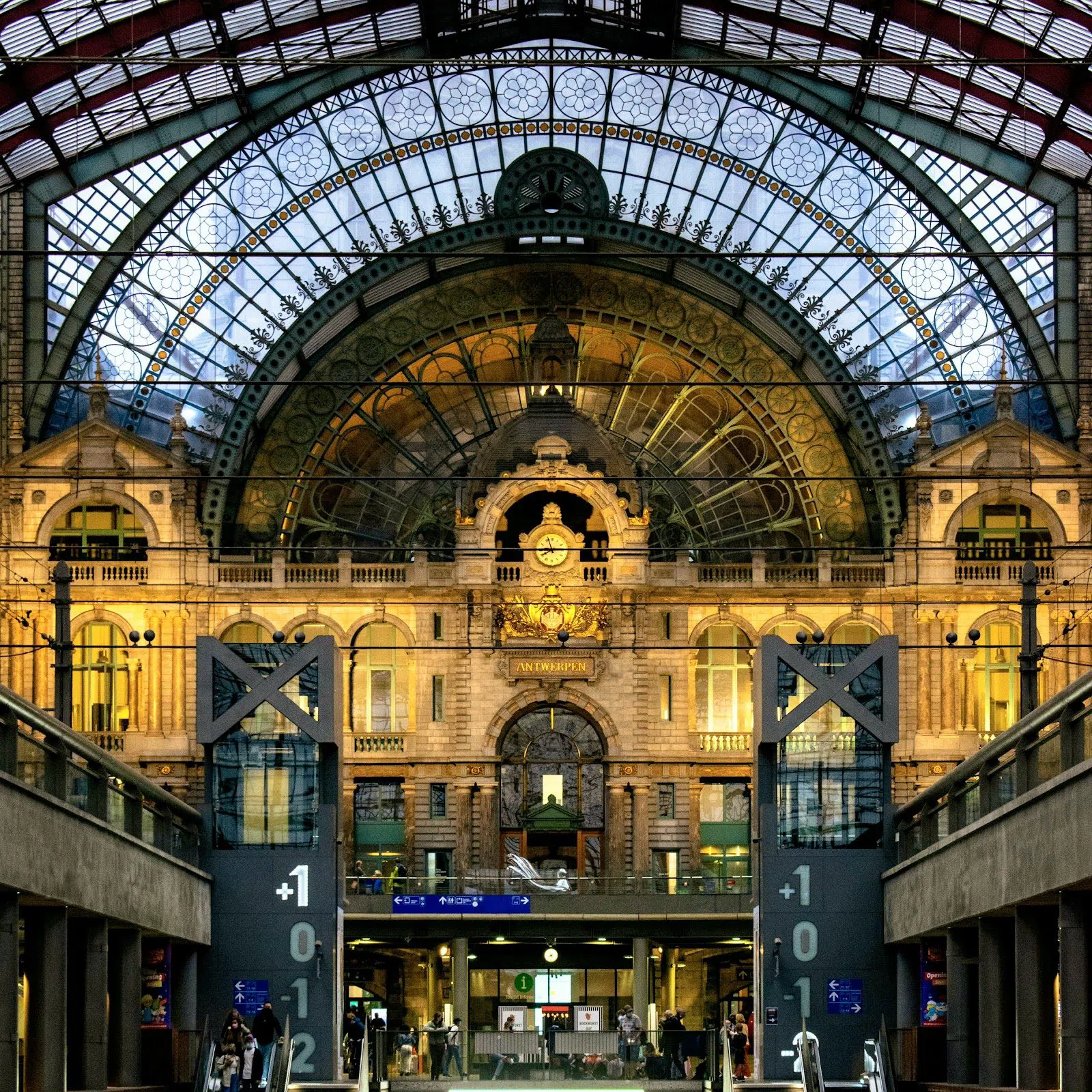
Most cities ask you to forgive their main station. Antwerpen-Centraal (Koningin Astridplein, hard against the diamond quarter) is the opposite: a stone dome, a gilt clock and a marble staircase that people photograph without ever boarding a train. It spent most of its life as a terminus, trains nosing in and reversing out, until a tunnel was driven under the city centre and turned it into a through station with platforms on four levels. That piece of engineering, more than any slogan, is what makes the base strategy work. Northbound trains no longer stop here, they pass through, so the same board that sends you south to Brussels sends you north into the Netherlands.
It is free to walk through at any hour, has no door policy, and absorbs guided walking groups on the concourse without anyone minding. Fares are the other half of the case. Belgian domestic day returns run roughly €8 to €20, and most of the singles in this article cost under €12, which means the transport for a full day out is usually cheaper than the museum ticket at the end of it. Keep the evenings for the city itself, where the Antwerp guide picks up, and let the mornings belong to the board.
Plan your Antwerp trip
Live prices from our booking partners.
Free cancellation on many rooms. We may earn a commission when you book.
Two short hops that repay a whole morning
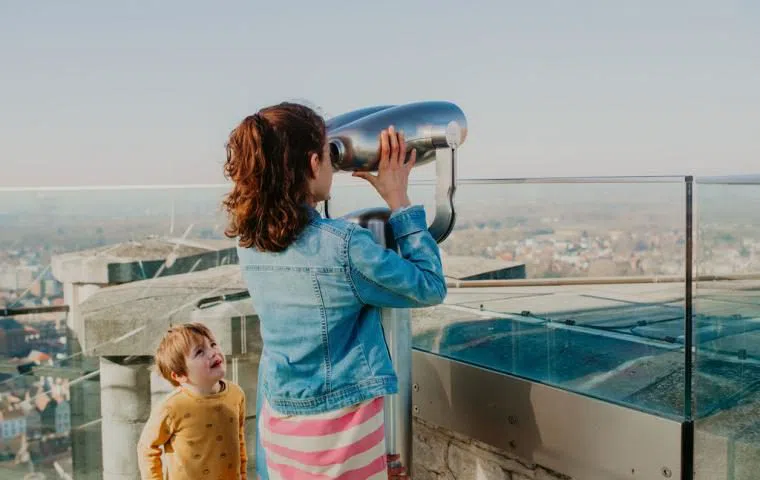
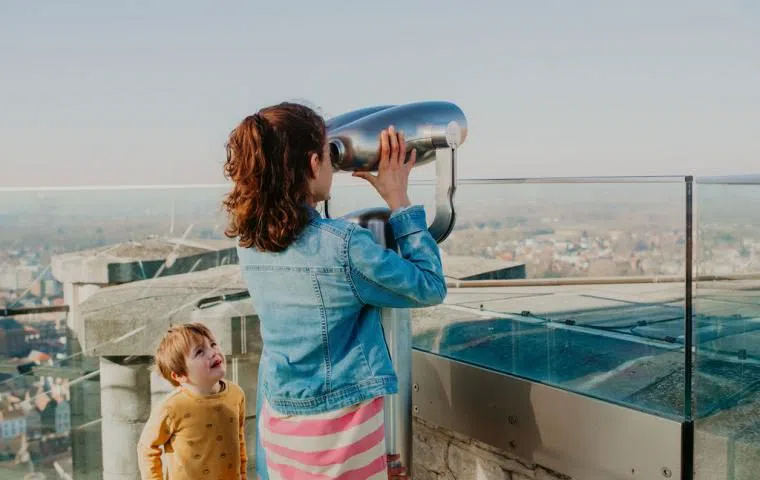
The nearest trip is also one of the best. Sint-Romboutstoren & Skywalk (Grote Markt, Mechelen) is eighteen minutes away, less time than most people spend on a train to an airport. The tower was designed to stand far taller than it does; the money ran out, the spire was never built, and the flat unfinished crown is now a skywalk with a view back across the polder to the towers of the city you left after breakfast. It is 538 steps, €8 for an adult and €6 a head for groups of ten or more, with guided climbs bookable. Numbers per slot are capped, so a group arriving unbooked simply becomes a queue. Open daily 10:00 to 17:00, with the last ascent at 17:00, which in practice means being at the door by mid-afternoon.
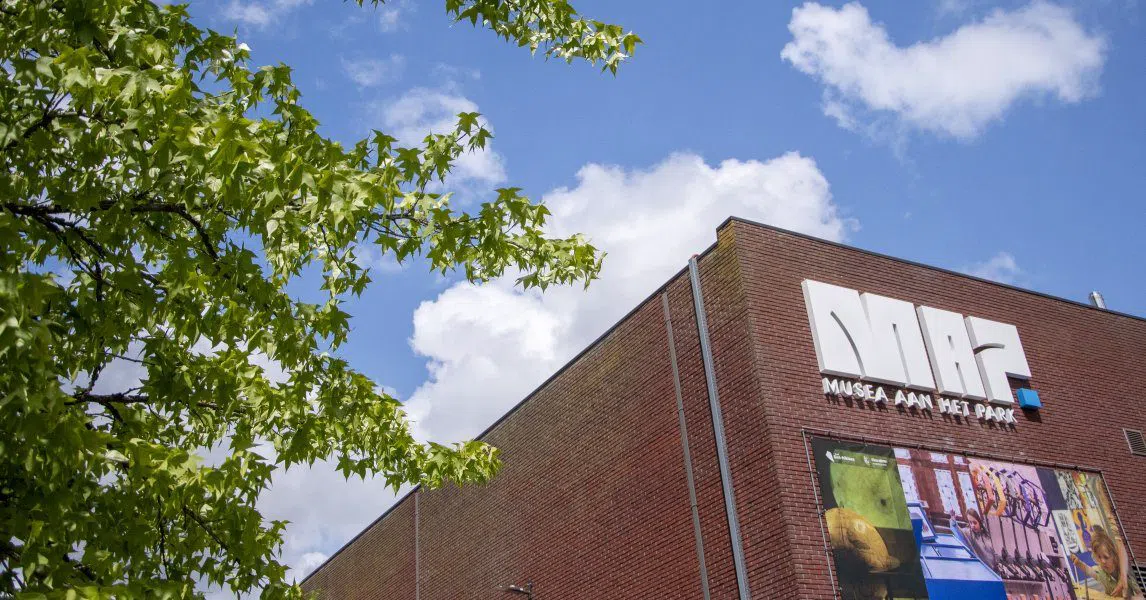
Twenty-odd minutes in the other direction, MAP – Mercator (on the park at the edge of the Sint-Niklaas centre) is the newest thing on this list and the one your guidebook is most likely to get wrong. The old Mercatormuseum reopened on 13 December 2025 as MAP, short for Musea aan het Park, and it is Belgium's first museum given over to cartography. Fitting, since the man whose projection every world map still argues with was born a few kilometres away on the Scheldt. Entry is €15 for adults over 26, €8 from 18 to 25, free under 18. Tuesday to Sunday, 10:00 to 17:00, closed Mondays. Book a slot: it was purpose-built for school and group programming and fills accordingly.
Forty minutes and change buys a serious collection
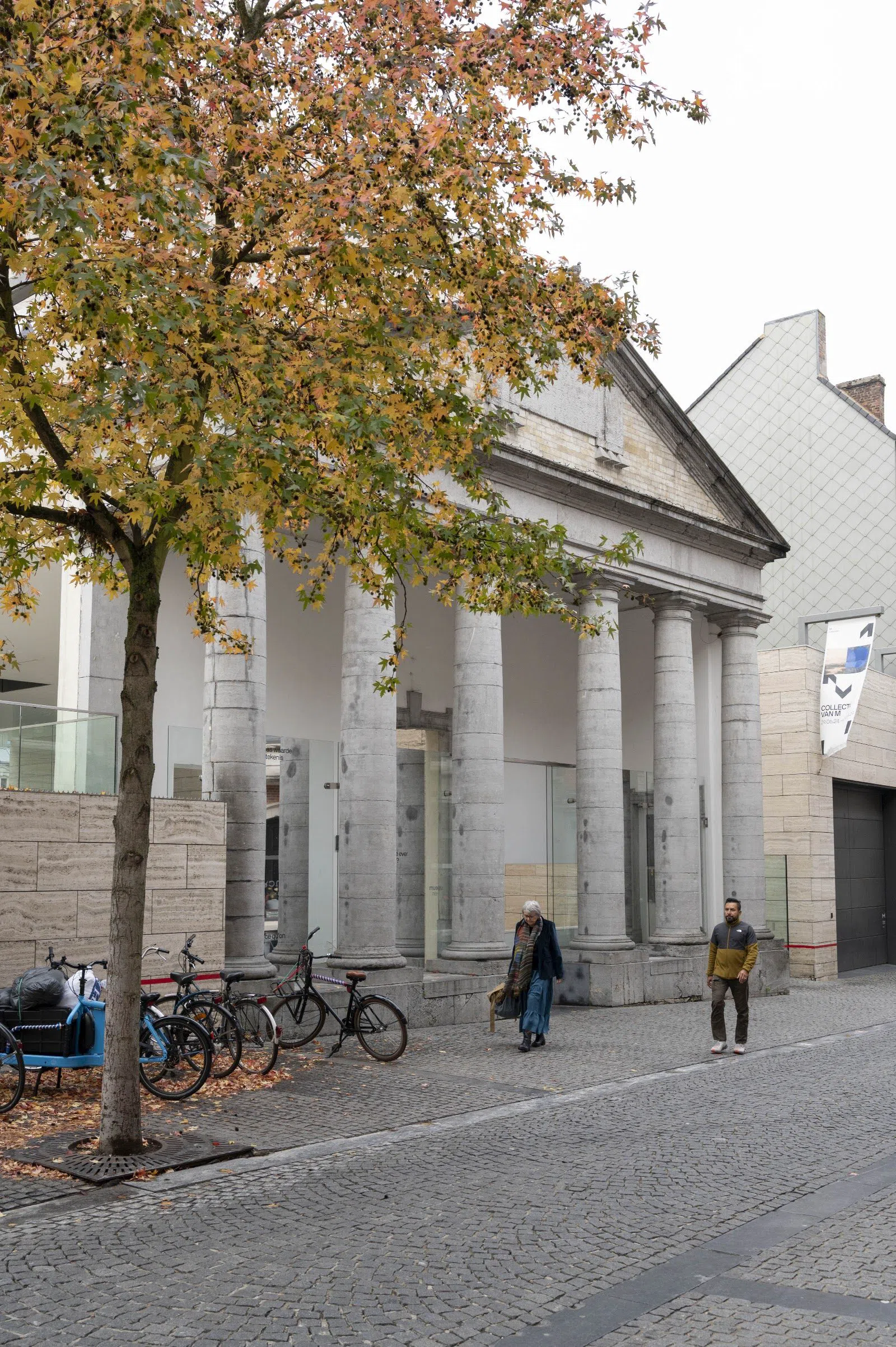
M Leuven (Vanderkelenstraat, a block off the Grote Markt in Leuven) is about forty minutes direct and around €12, and it is the trip for anyone who assumes Flemish art begins and ends with painting. The medieval sculpture is the real argument: carved altarpieces and saints made for an export market, in a compact centre you can walk in an afternoon. Autumn 2026 brings a major exhibition on Italy and the Low Countries, which makes the same forty minutes worth spending twice. The group offer here is unusually thoughtful, with tailored guided tours in introductory, family and low-stimulus formats, worth knowing if you are travelling with someone who finds a busy gallery hard work.
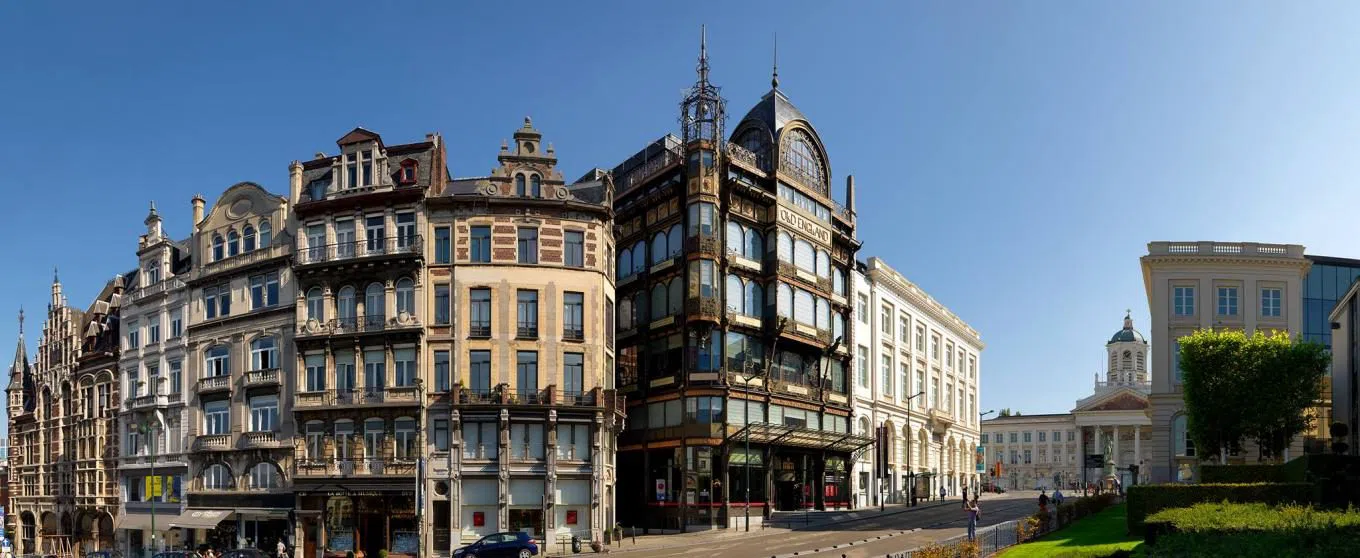
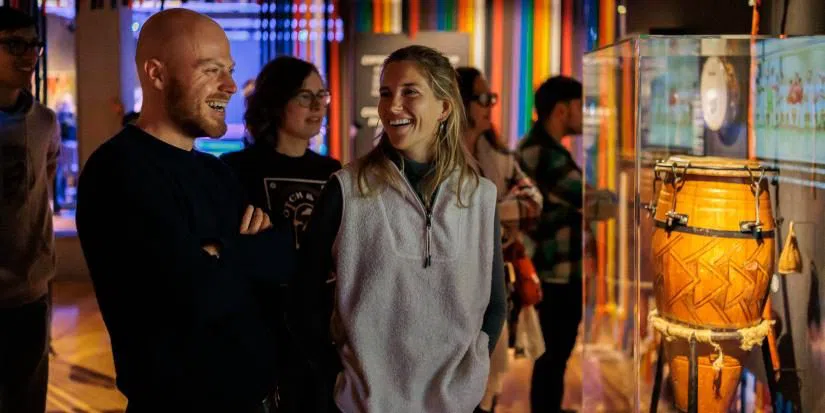
Five minutes further down the line, at forty-five, MIM – Musical Instruments Museum (Mont des Arts, Brussels) solves the perennial problem of what to do in the capital once the queue at the Grand Place has eaten your morning. The building is an art nouveau department store in black iron and glass and would justify the fare empty. Every visitor is issued a headset that plays whatever instrument they are standing in front of, which is why people who claim to dislike museums stay two hours. Around €15 for an adult, with reductions and free days. The rooftop restaurant is closed through 2026, so arrange lunch elsewhere. Open Tuesday to Friday 09:30 to 17:00, weekends 10:00 to 17:00, closed Mondays; groups book in advance and guided tours run in several languages.
A castle at fifty minutes and a card press at fifty-one
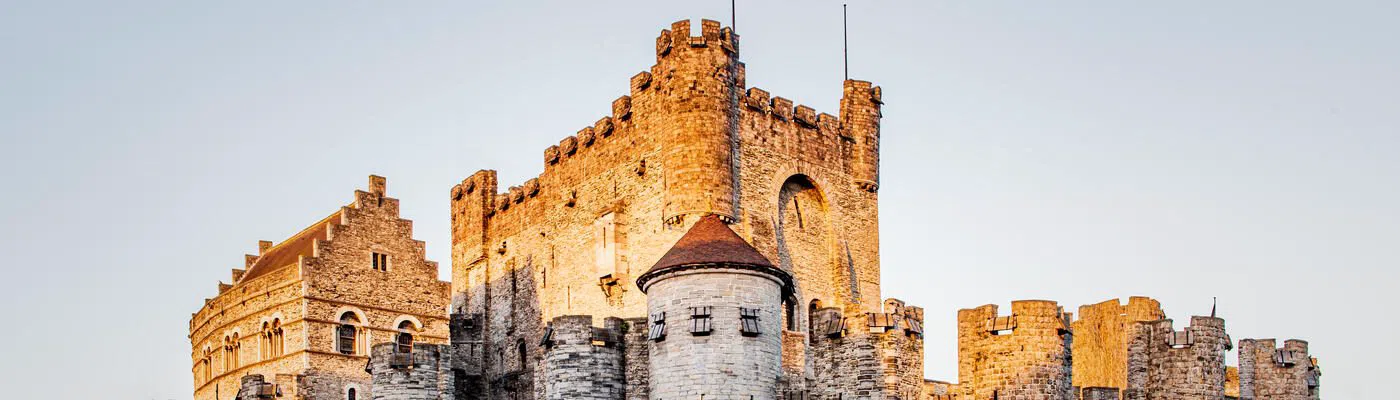
Gravensteen (Sint-Veerleplein, on the edge of the Patershol in Ghent) sits fifty minutes down the direct line and settles the question a lot of people arrive with, which is whether Ghent needs to be a second base. It does not. You can be on the wall-walk by eleven. The castle is a twelfth-century count's stronghold that later did time as a courthouse, a prison and a cotton mill, and the restoration leaves enough of the grim in place to be honest about it. Around €13 for an adult, under-19s free, and included if you buy the city card. Open daily 10:00 to 18:00, last admission 16:40, closed 24, 25 and 31 December and 1 January. Groups have their own rates but must arrange them by email through [email protected], and the spiral stairs and narrow wall-walks put a hard ceiling on how many people move through at once.
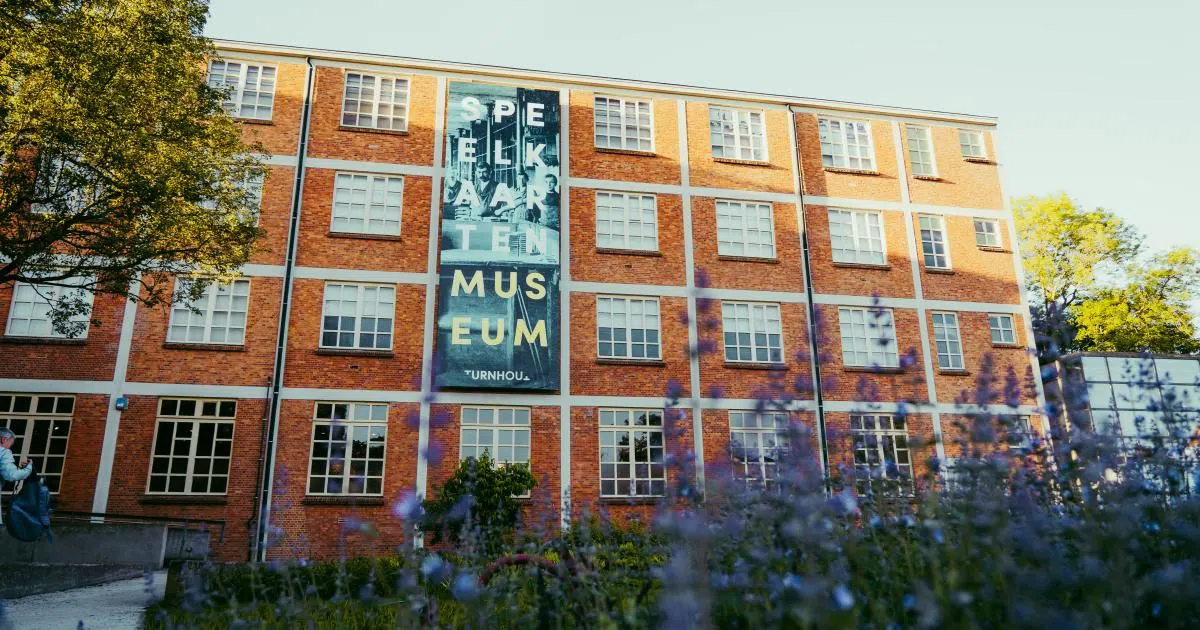
One minute further on the clock and a world away, Nationaal Museum van de Speelkaart (Druivenstraat, Turnhout) is fifty-one minutes direct into the Kempen, the sandy heath country to the north-east. Turnhout genuinely was the playing-card printing capital of Europe, and the museum keeps the presses. Entry is a few euros. The catch is the hours (14:00 to 17:00, from 11:00 on Sundays, closed Mondays), so this is an afternoon and never a morning. Groups can book, and printer demonstrations run on fixed days; call ahead and line the two up, because watching a sheet of cards come off the press is the point of going.
A second country before lunch
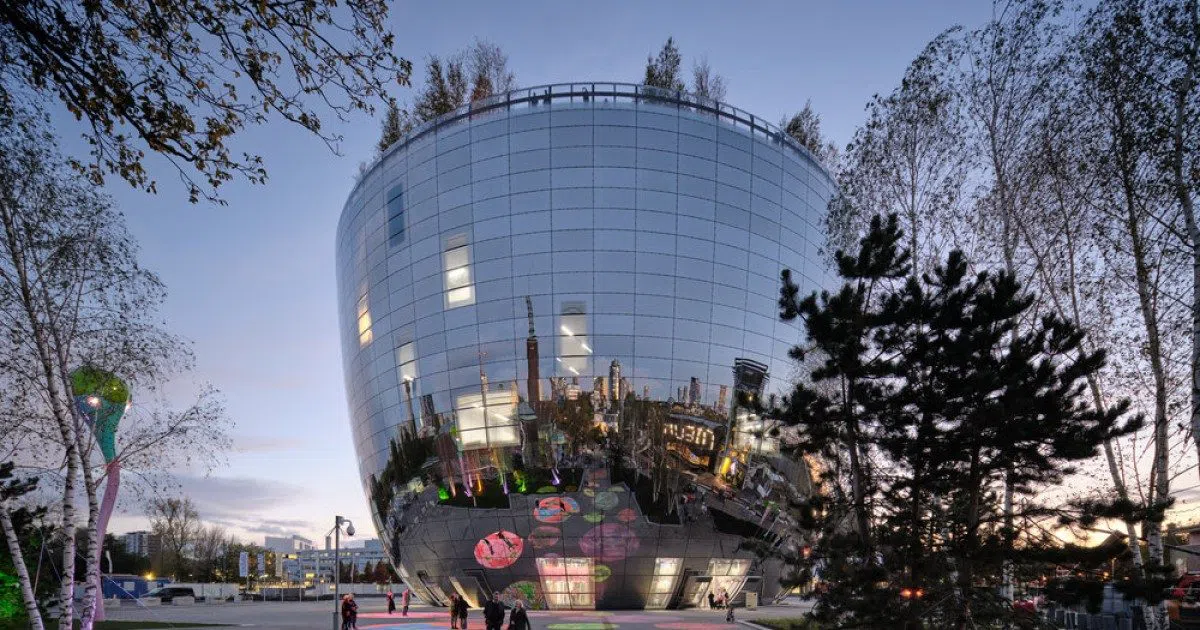
No other Belgian base can offer this line. Depot Boijmans Van Beuningen (Museumpark, Rotterdam) is forty-two minutes from the platform, closer in time than Bruges, and in a different country. The mirrored bowl of the Depot is a major museum's storage building turned inside out and opened to the public, so instead of a curated hang you get racks, crates, conservation studios and more than 150,000 objects on shelves. Tickets are around €20 and timed, so book them. The main Boijmans museum remains shut for its Mecanoo renovation, which makes the Depot the visit rather than a supplement to it, and a short gallery closure is scheduled from 16 to 24 April 2026. On fares, take Eurocity Direct rather than Eurostar for this leg: same rails, far less money.
Seventy-five minutes is why Bruges is a day and not a stay
Bruges rewards a long day and punishes a long stay, and seventy-five minutes on a direct train is exactly the right distance to hold that line. Belfort van Brugge (the Markt, Bruges) is the climb everyone means when they talk about the view: 366 steps, no lift, a carillon at the top, and a last entry an hour before closing that catches people out. Tickets are €15 to €16 for an adult depending on season, €13 to €14 under 18, free under 7, and they must be booked online.
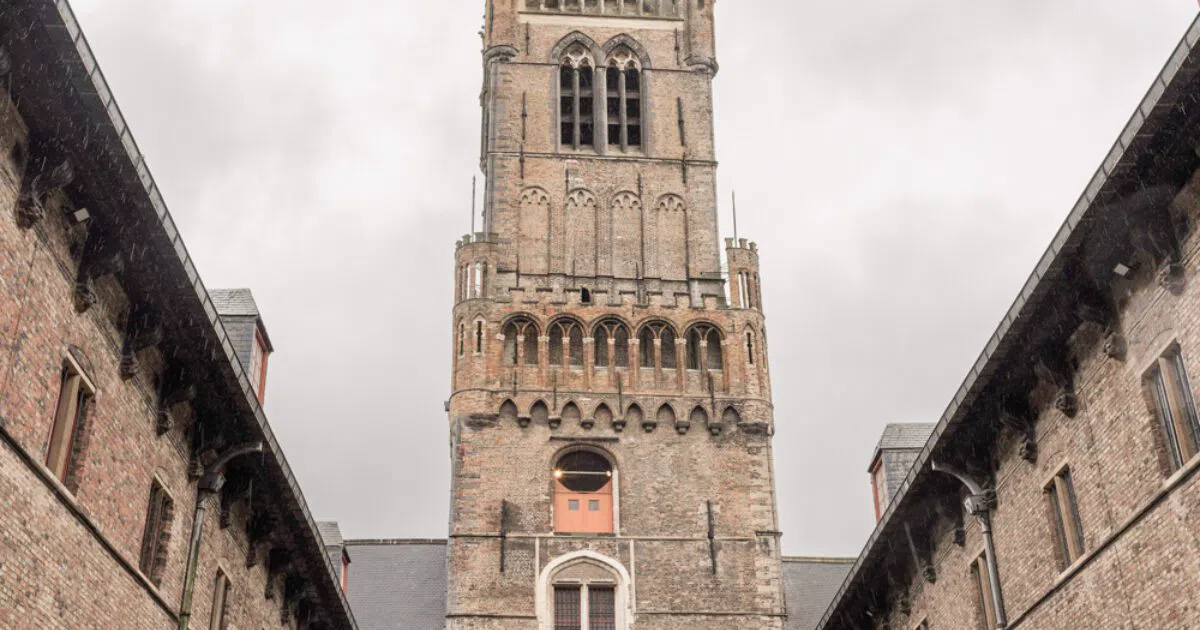
The door here is the strictest on this list. Group visits are not possible at all: individuals and small parties only, and the rule is enforced rather than negotiated. Eight friends travelling together should buy separate slots and go up in twos and threes. A coach party should pick another tower.
The long ones that still repay an early train
Past ninety minutes the trip has to earn its fare, and four of them do.
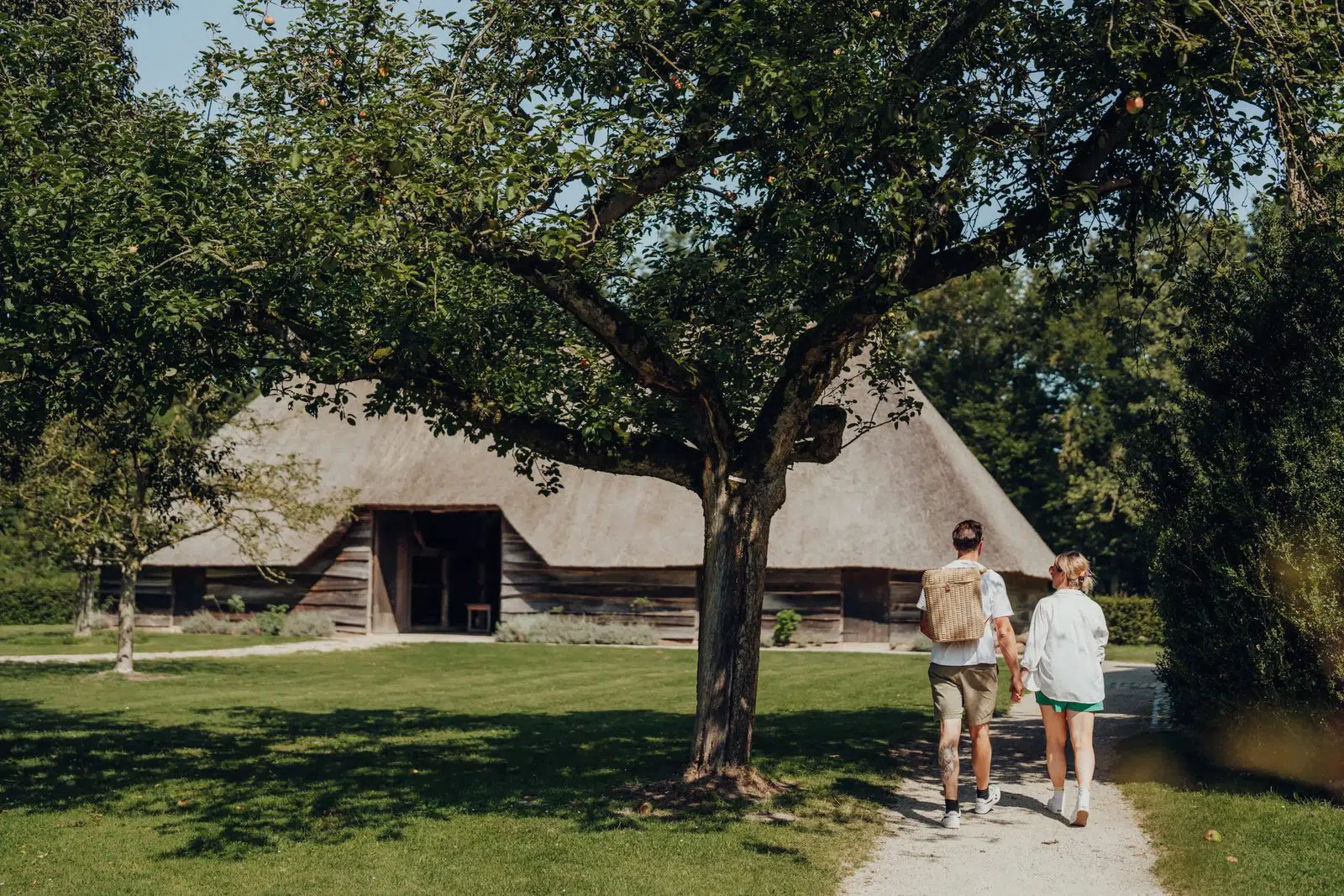
Bokrijk (its own station, in the Limburg heath outside Genk) is about ninety minutes with a change at Hasselt, and the station sits inside the site rather than a taxi ride from it. The open-air museum is a village of farmhouses, chapels and workshops moved here building by building, roughly €15 to €18 for an adult, with online booking mandatory for everyone. It is genuinely built for groups, since guided tours and coach programmes are the daily business. Watch the calendar: the museum runs 4 April to 8 November 2026 and closes Mondays outside holiday periods. Cycling Through Water, the sunken path that takes you across a pond at eye level with the surface, is free to ride year-round; bike hire costs extra.

James Ensor House (Vlaanderenstraat, a few streets back from the seafront in Ostend) is about ninety minutes via Ghent or Bruges and delivers two things at once: the North Sea, and the strangest painter Belgium has produced. Ensor lived above the family curio shop painting masks and skeletons in a resort that thought him ridiculous, and the ticket covers the adjoining exhibition wing for around €15. Entry is timed with a hard cap per slot in what is, after all, a small townhouse; groups must book well ahead and will be split. Open 10:00 to 18:00, closed Mondays except during Flemish school and public holidays. If you meant to pair it with the city's Mu.ZEE, note that the collection is running from the Venetian Galleries until its main building reopens in 2028.
La Boverie (in the park of the same name, Liège) is the easiest way to put French-speaking Belgium into a trip based here: about 1h17 on the fastest services, 1h38 more typically. You arrive under Calatrava's white steel-and-glass vault at Liège-Guillemins, itself worth the platform time, and walk fifteen minutes. The collection is around €12, more for the big temporary shows, and the tenth-anniversary exhibition, Behind the Scenes of a Collection, runs 29 May to 23 August 2026 with more than 250 works. Groups and guided tours are straightforward here.
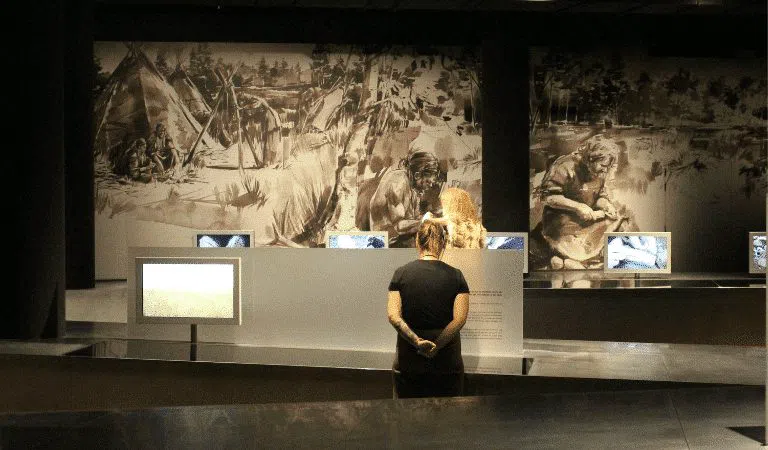
Gallo-Romeins Museum (Kielenstraat, Tongeren) is the longest haul and needs the most planning: about 1h37 on the fastest services, closer to 2h14 typically, and only a couple of direct trains a day, so check the timetable before you commit rather than after. Tongeren is Belgium's oldest town, Roman from the start, with Ambiorix in bronze on the square, and the museum has been European Museum of the Year, which it earns by staging archaeology as narrative rather than vitrine. Around €10 to €12 for an adult, ten minutes' walk from the station, and the e-ticket unlocks a half-price SNCB Discovery Ticket for the rail leg, the only bundled fare saving in this article. Come on a Sunday and the antiques market takes the centre with more than 300 stands, the largest in the country.
Where the day-trip logic breaks
In Flanders Fields Museum (the Cloth Hall on the Grote Markt, Ypres) is the trip where basing yourself here stops paying. It is over two hours each way with a change, and the museum, in a hall that was itself rebuilt from rubble, deserves an unhurried three hours. The Menin Gate's restoration is finished and the scaffolding is down, so the memorial reads properly again, arch and names and all. The Last Post is sounded there at 20:00 every evening, free, no booking, open to anyone who turns up. That is the problem: there is no realistic train back afterwards. So choose honestly. Do the museum by day and skip the ceremony, or take the one night away that this itinerary genuinely needs. Entry is around €12 to €14, and the museum is well set up for groups and battlefield tours.
Doors, groups and who has to split up
The pattern across these places is worth carrying in your head before you buy anything.
Two people will be refused nowhere. Book timed slots for the Depot, the Ensor house, MAP and Bokrijk, and improvise the rest.
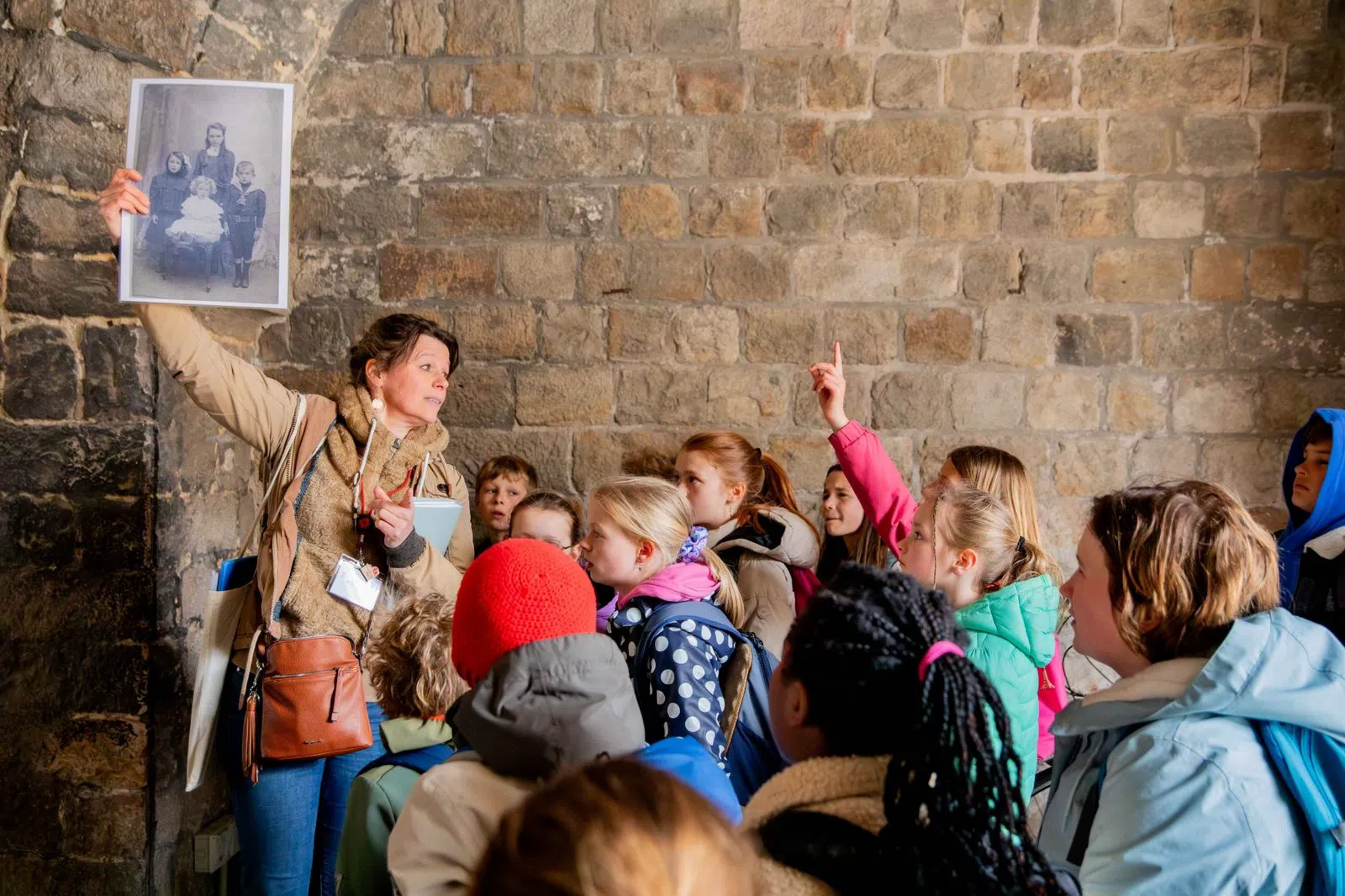
A group of ten or more has three places that actively want it. Bokrijk, M Leuven and MIM all run proper group programmes, and the Mechelen tower takes groups at €6 a head. Two need an arrangement rather than a booking: the Ghent castle through its dedicated email address, the card museum by telephone if you want the press running. One will not take you at all, and that is the Bruges belfry.
And two are small buildings behaving like museums, the Ensor house and the card museum, where a large party gets broken into waves whatever the booking says. That is not obstruction, it is a staircase.
Practicalities
Belgian domestic tickets are priced by distance, not by demand, so there is no advance-purchase game to play. A day return runs roughly €8 to €20 and most singles here are under €12 whether you buy a month out or on the platform. Two exceptions are worth real money: Eurocity Direct rather than Eurostar for the Rotterdam run, and the Tongeren museum e-ticket bought first to unlock the half-price Discovery fare.
Spend Mondays in the city. MAP, MIM, the card museum, the Ensor house and Bokrijk all close on Mondays. If you must travel, the Mechelen tower and the Ghent castle open daily.
Time of day matters more than you expect. Turnhout is an afternoon and nothing else. Tongeren wants the early direct train, and a Sunday if you want the market. Ypres is a night away. Everything else fits between a nine o'clock departure and dinner back here.
Season closes some doors. Bokrijk's open-air museum runs 4 April to 8 November 2026, though the cycle path is rideable year-round; the Depot closes a gallery 16 to 24 April 2026; the La Boverie anniversary show runs 29 May to 23 August 2026.
Cards work everywhere that matters, ticket machines and museum desks included. Carry some cash for market stalls and the smaller museums' printed guides.
Reckon on €20 to €40 per person per day for fare plus entry, before food. That is the whole argument for the base: you pay for one bed for the week instead of four, and the Antwerp hotel search is a shorter job when you only have to do it once. Six nights, six departures, and the same walk back from the platform each evening under that dome.
Before you go
How many nights do I need in Antwerp to use it as a base?
Five or six works well. That gives four full day trips (say Ghent, Brussels, Rotterdam and one longer one such as Liège or Tongeren) plus two days for the city itself. Mechelen at eighteen minutes and Sint-Niklaas at around twenty are half-days, so they slot into mornings you would otherwise waste.
Is Antwerp a better base than Ghent or Brussels?
For this kind of trip, yes, with one caveat. Ghent and Bruges are fifty and seventy-five minutes away, so basing in either duplicates a day trip and adds distance to everything else. Brussels has more southbound services, but Antwerp is the only base with the northbound tunnel, and Rotterdam is forty-two minutes off, a second country before lunch. The caveat is Wallonia: if your trip is mostly French-speaking Belgium, base further south.
Do I need to book Belgian train tickets in advance?
No. Domestic fares are set by distance rather than demand, so a ticket bought on the platform costs the same as one bought a month out. Day returns run roughly €8 to €20. Book the museum slots instead: the Depot, the Ensor house, MAP, Bokrijk and the Bruges belfry all need timed tickets. For Rotterdam, book Eurocity Direct rather than Eurostar.
Which day trips work for a group of ten or more?
Bokrijk, M Leuven and MIM run full group programmes, and the Mechelen tower drops to €6 a head for ten-plus, with guided climbs you can book. The Ghent castle takes groups by email through [email protected], and the Turnhout card museum wants a phone call to line you up with a press demonstration. The Bruges belfry takes no group visits at all, so split into pairs and book separate slots.
What is open if my only free day is a Monday?
Keep it local or go short. MAP, MIM, the Turnhout card museum, the Ensor house and Bokrijk all close on Mondays. The Mechelen tower opens daily 10:00 to 17:00 and the Ghent castle daily 10:00 to 18:00, so those two are the safe Monday departures; otherwise spend it in the city, starting with the station itself.